
Science & Innovation
Latest news, analysis, and updates on Science & Innovation from A47 News.
3 stories in Tech · Updated live
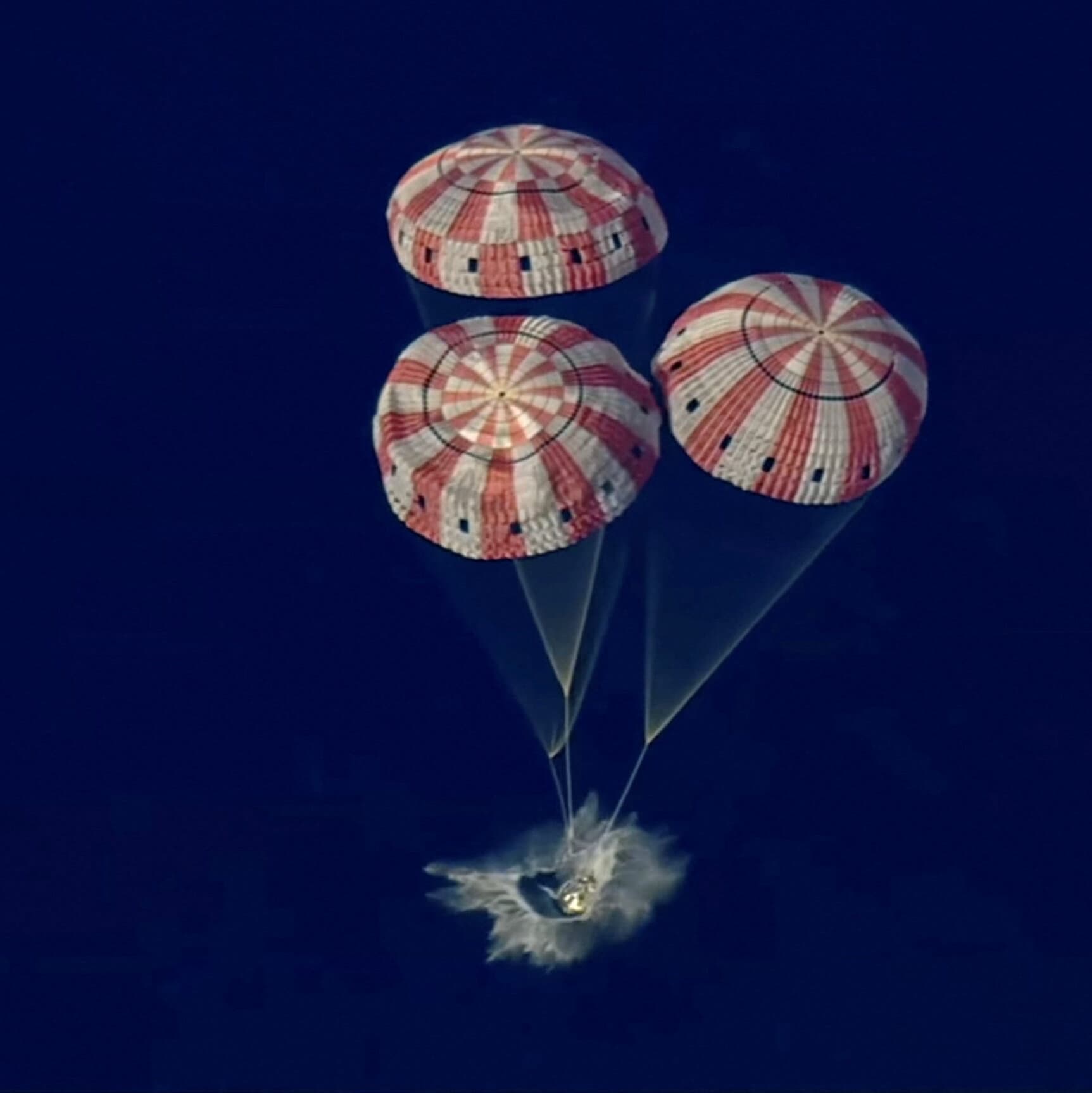
Artemis II Mission Successfully Concludes with Splashdown of Orion Spacecraft
The Artemis II mission concluded with the safe splashdown of the Orion spacecraft in the Pacific Ocean on April 10, 2026, marking a significant milestone as the first crewed lunar mission since Apollo 17. This event was triggered by the successful completion of a 10-day test flight that validated critical systems for future lunar exploration. The long-term implication is the advancement of NASA's Artemis program, which aims to establish a sustainable human presence on the Moon and pave the way for future Mars missions.
NASA's Artemis II Mission Successfully Tests Direct Reentry for Orion Heat Shield
NASA's Artemis II mission completed a successful direct reentry on April 10, 2026, validating fixes for heat shield cracking observed during the uncrewed Artemis I mission. This test was prompted by previous anomalies related to gas pressure buildup in the heat shield material, necessitating procedural adjustments to ensure astronaut safety. The successful reentry is expected to accelerate preparations for the upcoming Artemis III mission and enhance confidence in future lunar exploration efforts.

Pohlsepia mazonensis reclassified as nautiloid cephalopod ending octopus fossil debate
On April 9, 2026, a team led by Thomas Clements reclassified the 300-million-year-old fossil Pohlsepia mazonensis as a nautiloid rather than the oldest octopus. This reclassification was triggered by advanced synchrotron imaging revealing anatomical features inconsistent with octopuses, addressing long-standing skepticism since its initial identification in 2000. The long-term implication is a renewed focus on cephalopod evolution and potential for further discoveries in paleontology through advanced imaging techniques.

Latest Stories
Artemis II Mission Successfully Concludes with Splashdown of Orion Spacecraft
The Artemis II mission concluded with the safe splashdown of the Orion spacecraft in the Pacific Ocean on April 10, 2026, marking a significant milestone as the first crewed lunar mission since Apollo 17. This event was triggered by the successful completion of a 10-day test flight that validated critical systems for future lunar exploration. The long-term implication is the advancement of NASA's Artemis program, which aims to establish a sustainable human presence on the Moon and pave the way for future Mars missions.
NASA's Artemis II Mission Successfully Tests Direct Reentry for Orion Heat Shield
NASA's Artemis II mission completed a successful direct reentry on April 10, 2026, validating fixes for heat shield cracking observed during the uncrewed Artemis I mission. This test was prompted by previous anomalies related to gas pressure buildup in the heat shield material, necessitating procedural adjustments to ensure astronaut safety. The successful reentry is expected to accelerate preparations for the upcoming Artemis III mission and enhance confidence in future lunar exploration efforts.
Pohlsepia mazonensis reclassified as nautiloid cephalopod ending octopus fossil debate
On April 9, 2026, a team led by Thomas Clements reclassified the 300-million-year-old fossil Pohlsepia mazonensis as a nautiloid rather than the oldest octopus. This reclassification was triggered by advanced synchrotron imaging revealing anatomical features inconsistent with octopuses, addressing long-standing skepticism since its initial identification in 2000. The long-term implication is a renewed focus on cephalopod evolution and potential for further discoveries in paleontology through advanced imaging techniques.