
Economy
Latest economy news covering growth, inflation, trade, policy, jobs, and major market-moving developments from A47 News.
18 stories - Updated live

UAE to Host 2029 World Bank-IMF Annual Meetings in Abu Dhabi
On April 10, 2026, the UAE was selected to host the 2029 Annual Meetings of the World Bank Group and International Monetary Fund in Abu Dhabi. This decision follows the UAE's successful bid, which received the highest votes from approximately 190 member countries, reflecting global trust in its economic model. The long-term implication is the UAE's strengthened position as a global financial hub, enhancing international cooperation and sustainable economic development in the region.
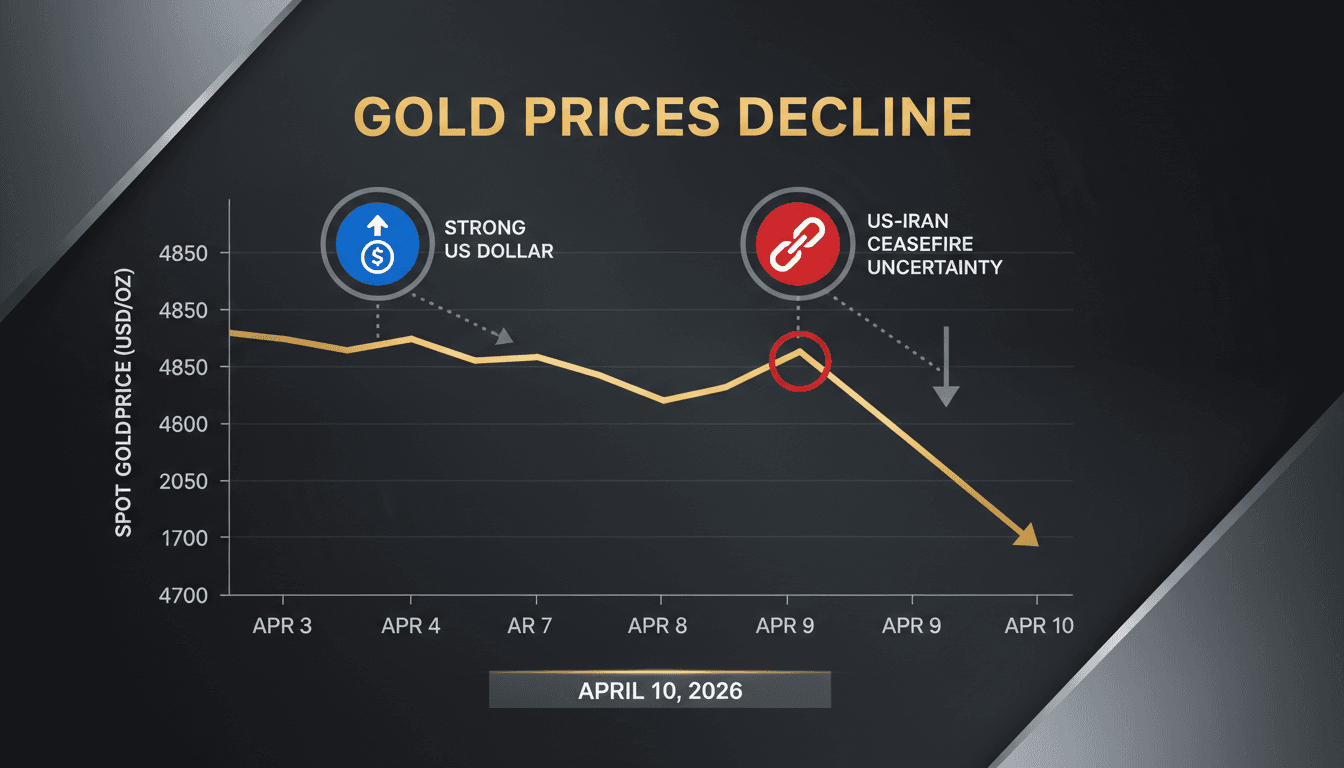
Spot Gold Prices Decline Amid Strong Dollar and US-Iran Ceasefire Uncertainty
Spot gold prices fell to approximately $4,775 per ounce on April 10, 2026, reflecting a decline in global commodity markets. This drop is attributed to a stronger US dollar and skepticism surrounding the stability of a recent US-Iran ceasefire. Long-term, the ongoing geopolitical tensions and expectations of US interest rate cuts may continue to influence gold prices and market dynamics.
U.S. Consumer Price Index Rises to 3.3% Amid Iran War Energy Crisis
The U.S. Consumer Price Index surged to 3.3% year-over-year in March 2026, driven by a significant 10.9% increase in the energy index due to the ongoing Iran War. This spike in inflation is occurring as oil supply disruptions follow U.S. and Israeli military actions against Iran that began on February 28, 2026. Long-term, this inflationary pressure may lead to delayed interest rate cuts by the Federal Reserve and increased economic instability in the region and beyond.

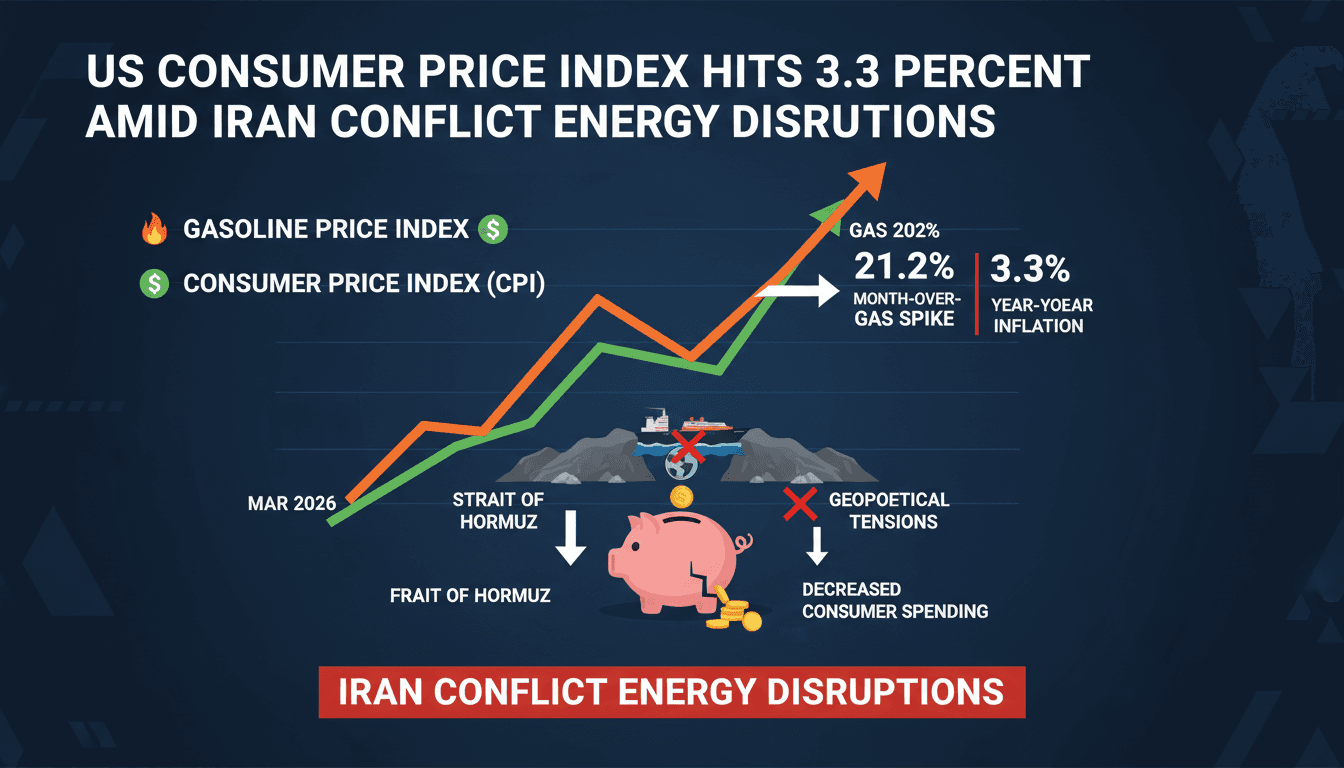
US Consumer Price Index Hits 3.3 Percent Amid Iran Conflict Energy Disruptions
The United States inflation rate rose to 3.3 percent year-over-year in March 2026, driven by a significant 21.2 percent month-over-month increase in gasoline prices due to disruptions in the Strait of Hormuz from the ongoing US-Israel-Iran conflict. This inflation spike follows airstrikes initiated by the US and Israel on February 28, 2026, which prompted Iran's blockade of the Strait, affecting global oil transit. The long-term implication suggests continued economic pressure on the Biden administration as it navigates midterm elections and seeks to stabilize inflation amidst geopolitical tensions.
IMF Downgrades Global Growth Forecast Amid Ongoing Iran War
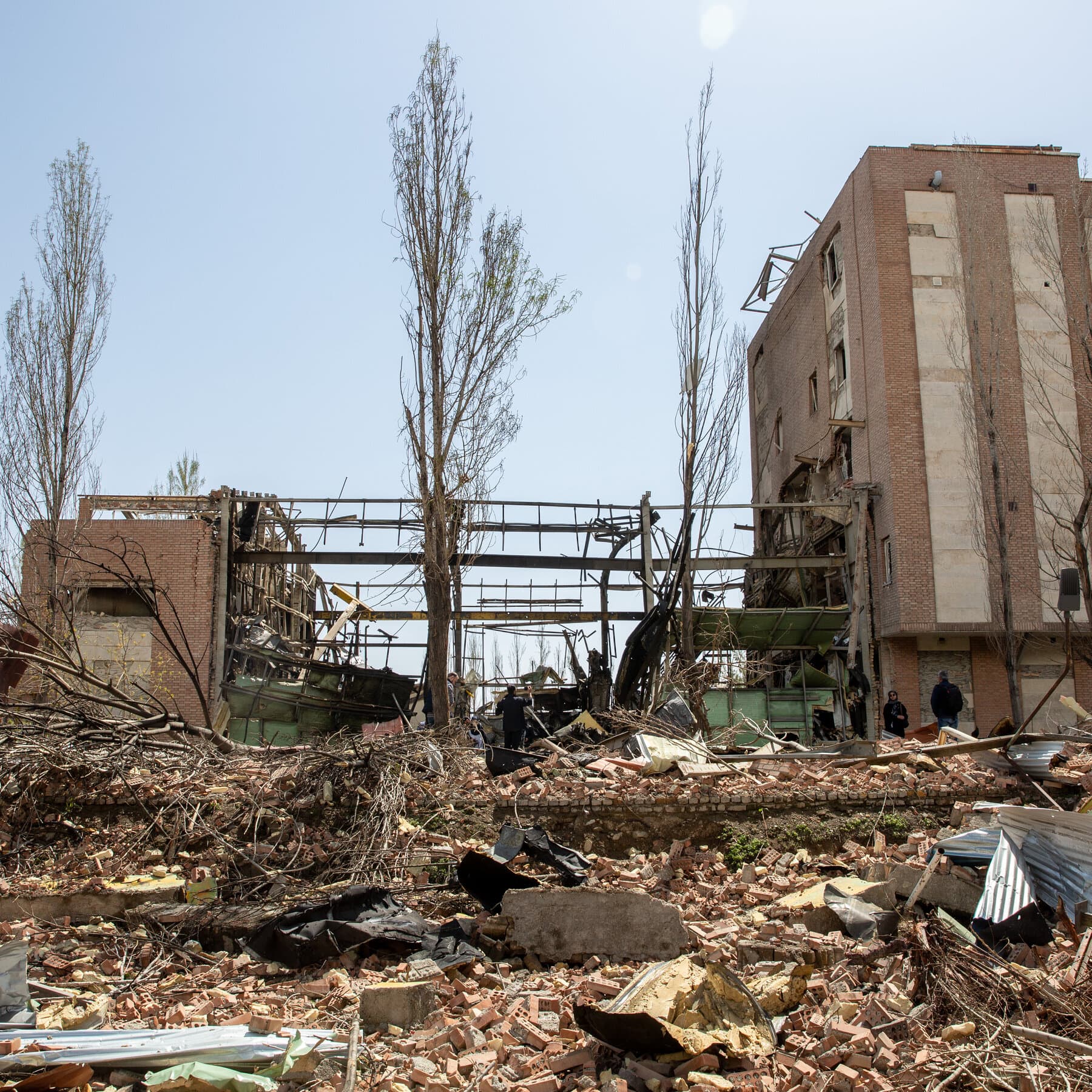
On April 9, 2026, the International Monetary Fund announced a downgrade in global economic growth projections due to the ongoing war in Iran. This shift is triggered by significant disruptions in energy supply chains and soaring oil prices exceeding $100 per barrel, exacerbated by the conflict's impact on Iranian infrastructure. The long-term implication suggests that global economies may face persistent inflationary pressures and increased lending demands as they navigate the economic fallout from the war.
Latest Stories
U.S. Fuel Prices Surge Amid Ongoing Iran War and Supply Disruptions
U.S. gasoline prices have surged to $4.16 per gallon due to the ongoing Iran War, which began on February 28, 2026. This spike is triggered by severe disruptions in oil supply following the blockade of the Strait of Hormuz and damage to refining capacity. Long-term implications include potential economic downturns and inflationary pressures as global growth is forecasted to decline by 0.3-0.4 percentage points.
US Department of Energy Loans 8.48 Million Barrels from Strategic Petroleum Reserve Amid Iran War
On April 10, 2026, the United States Department of Energy awarded contracts to loan 8.48 million barrels of crude oil from the Strategic Petroleum Reserve to four companies due to supply disruptions caused by the ongoing Iran war. This action is part of a larger 172 million barrel exchange program aimed at stabilizing global fuel prices following Iran's closure of the Strait of Hormuz. The long-term implication is a continued reliance on emergency oil releases to manage market volatility as geopolitical tensions persist in the region.
Federal Reserve Investigates Major Banks' Exposure to Private Credit Amid Financial Stress
On April 10, 2026, the U.S. Federal Reserve initiated inquiries into major banks regarding their exposure to the $1.8 trillion private credit sector. This action follows rising investor redemptions and troubled loans exacerbated by geopolitical tensions, particularly the Iran war. Long-term, this scrutiny may lead to tighter regulations and increased oversight of the private credit market to mitigate systemic risks.
Colombia and Ecuador Engage in Trade War with 100% Tariffs on Each Other's Imports
Colombia has raised import tariffs on Ecuadorian goods to 100 percent in retaliation for Ecuador's similar tariff hike, escalating a bilateral trade dispute. This escalation follows failed diplomatic efforts and ongoing tensions over border security and drug trafficking. The long-term implication may lead to further deterioration of Andean regional integration and a shift in Colombia's trade alliances towards Mercosur.