
Politics
Latest politics news covering policy, elections, diplomacy, power shifts, and government decisions from A47 News.
80 stories - Updated live
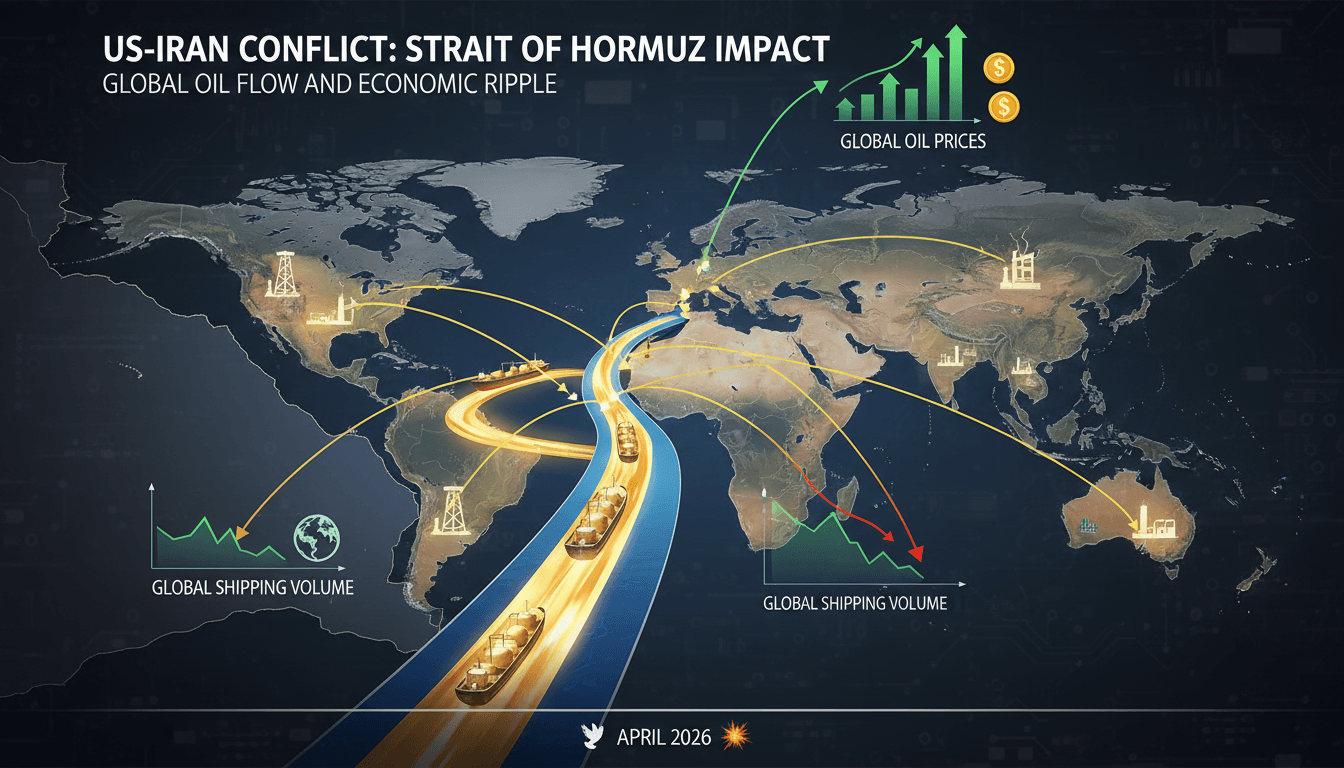
US Vice President JD Vance Leads Peace Negotiations in Islamabad Amid Ongoing US-Iran Conflict
On April 11, 2026, US Vice President JD Vance arrived in Islamabad to lead peace negotiations with Iran aimed at ending a six-week war involving the US, Israel, and Iran. The urgency of these talks follows a fragile ceasefire declared on April 8 and Iran's control over the Strait of Hormuz, which has severely impacted global oil shipments. If successful, these negotiations could reshape regional dynamics and stabilize energy markets, but failure may exacerbate tensions and conflict in the Middle East.
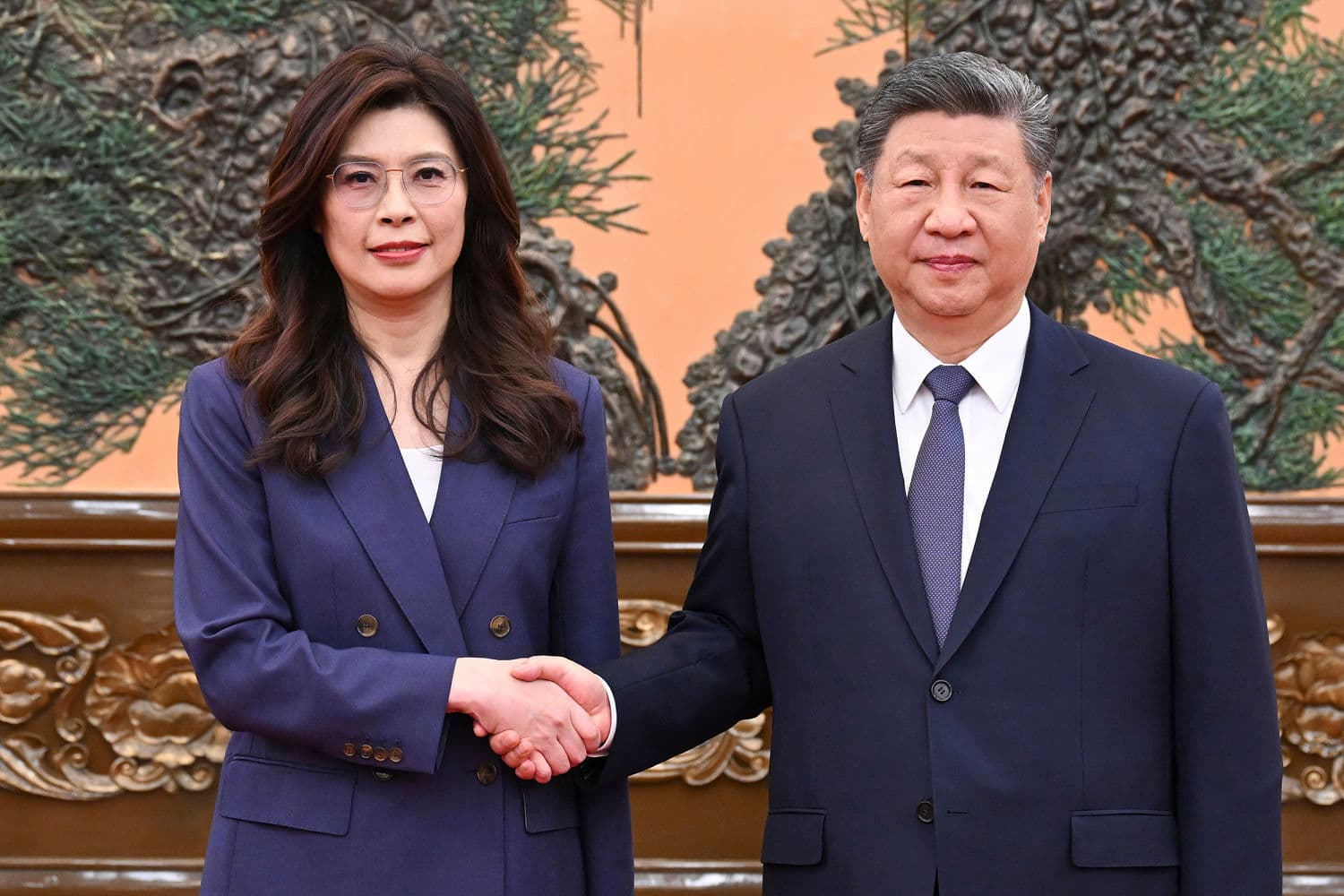
Xi Jinping Meets Taiwan KMT Chairwoman Amid Rising Military Tensions
On April 10, 2026, Chinese President Xi Jinping engaged in discussions with Kuomintang Chairwoman Cheng Li-wun in Beijing regarding peace and unification across the Taiwan Strait. This meeting coincides with an escalation of military activities by the People's Liberation Army (PLA) near Taiwan, highlighting the tension between diplomatic efforts and military coercion. The long-term implication may involve increased pressure on Taiwan's defense policies and further complicate U.S.-China relations as military and diplomatic strategies evolve.
US and Iran Initiate Peace Talks in Islamabad with Preconditions on Lebanon and Sanctions
The United States and Iran have convened in Islamabad for peace talks aimed at resolving a six-week conflict, with Iranian demands for a ceasefire in Lebanon and sanctions relief complicating the negotiations. This meeting follows a two-week ceasefire announced by the US on April 8, 2026, which has temporarily halted airstrikes on Iran but does not address the situation in Lebanon. The outcome of these talks could significantly impact regional stability and the future of US-Iran relations, particularly concerning Iran's nuclear program and military activities in the region.

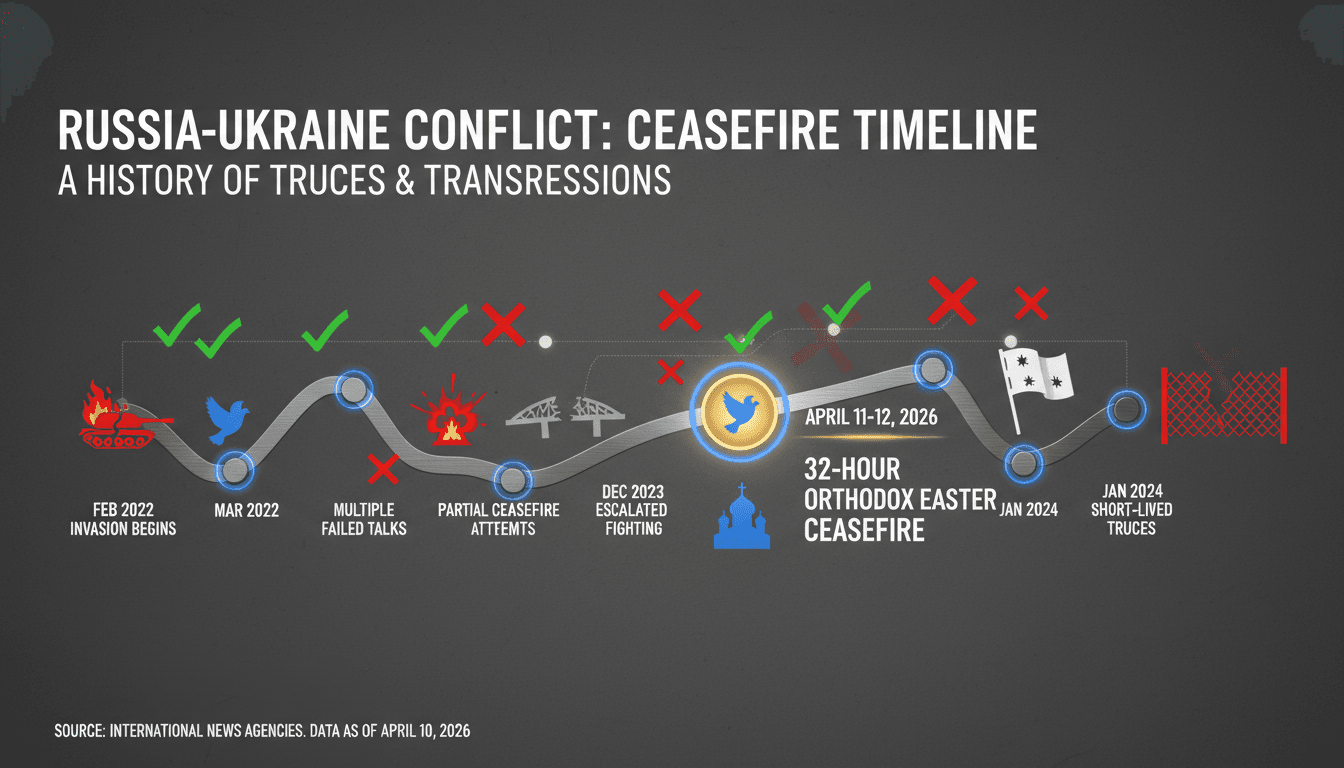
Russia and Ukraine Agree to 32-Hour Ceasefire for Orthodox Easter
Russia and Ukraine have implemented a 32-hour ceasefire for Orthodox Easter from April 11 to 12, 2026. The ceasefire was announced by President Putin as a humanitarian pause amid ongoing military operations and was met with readiness from President Zelenskyy for reciprocal actions. This temporary truce highlights the ongoing challenges in achieving lasting peace as both sides remain skeptical of adherence and future negotiations remain stalled.
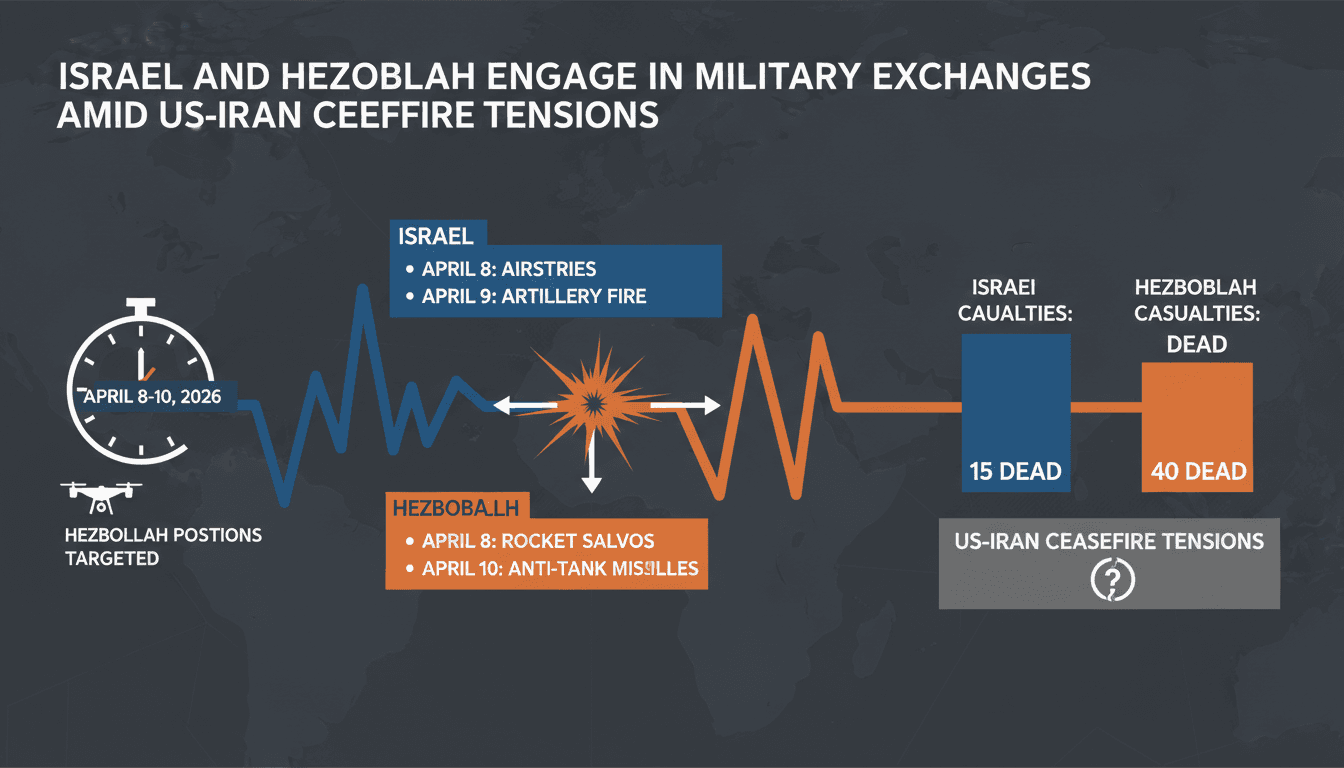
Israel and Hezbollah Engage in Military Exchanges Amid US-Iran Ceasefire Tensions
Israel and Hezbollah exchanged airstrikes and rocket fire from April 8 to 10, 2026, resulting in significant casualties and escalating regional tensions. The immediate trigger for this conflict was Israel's targeting of Hezbollah positions following a US-brokered ceasefire agreement that both parties interpreted differently. The long-term implication may involve further destabilization in the region and potential diplomatic efforts to mediate a ceasefire between Israel and Lebanon.
Latest Stories
Lebanon and Israel to Hold First Direct Negotiations in Washington Amid Ongoing Military Escalation
Lebanon and Israel have scheduled their first official bilateral meeting for April 15, 2026, in Washington, D.C., to discuss a ceasefire and peace agreement. This meeting is triggered by escalating military actions, including over 50 Hezbollah operations against Israeli targets, amidst a fragile U.S.-Iran ceasefire that excludes Lebanon. The long-term implication may lead to a potential shift in regional dynamics if a ceasefire is established, impacting U.S.-Iran relations and the broader Middle East conflict landscape.
Iranian and Pakistani Leaders Engage in Diplomatic Talks Ahead of US Ceasefire Negotiations
On April 11, 2026, an Iranian delegation met with Pakistani Prime Minister Shehbaz Sharif in Islamabad to discuss indirect negotiations with the United States aimed at establishing a ceasefire in the ongoing US-Iran war. This meeting follows Pakistan's role as a neutral mediator, leveraging its regional ties to facilitate dialogue amid escalating tensions. The long-term implication may lead to a broader resolution of the conflict, impacting regional stability and international relations.
Ismaïl Omar Guelleh Secures Sixth Term as President of Djibouti with 97.8% Vote
Ismaïl Omar Guelleh was re-elected as President of Djibouti on April 10, 2026, receiving 97.8% of the vote amid a boycott by major opposition parties. This election follows constitutional amendments that facilitated his candidacy and comes at a time of heightened geopolitical significance due to Djibouti's strategic location. The long-term implication is the continuation of Guelleh's rule, which may further entrench political stability but also raise concerns over democratic processes in the region.
US Agrees to Release Frozen Iranian Assets During Peace Talks in Islamabad
On April 11, 2026, a senior Iranian source claimed the United States agreed to release frozen Iranian assets held in Qatar and other foreign banks. This development is linked to ongoing U.S.-Iran peace negotiations in Islamabad, aimed at ensuring safe passage through the Strait of Hormuz. The long-term implication may involve a broader diplomatic agreement that could reshape regional security dynamics and economic relations.