
World
Latest world news covering geopolitics, global markets, technology, health, environment, and major international developments from A47 News.
16 stories - Updated live
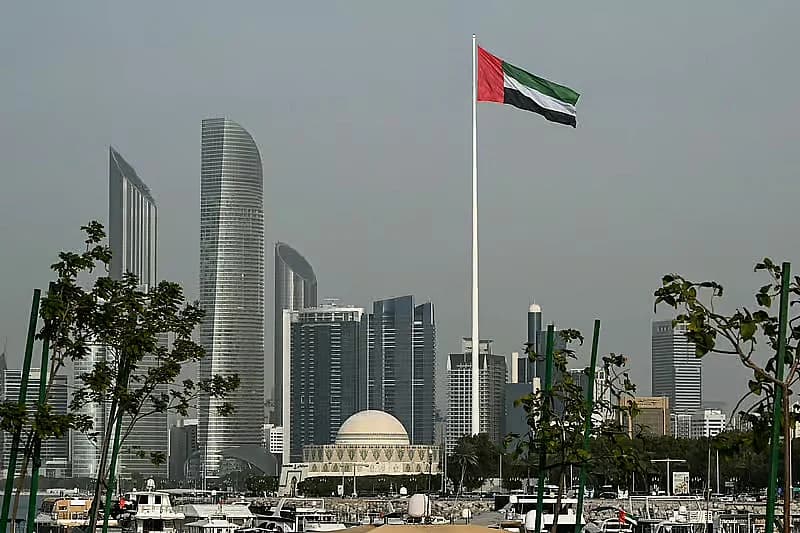
UAE to Host 2029 World Bank Group and IMF Annual Meetings in Abu Dhabi
The United Arab Emirates has secured the rights to host the 2029 Annual Meetings of the World Bank Group and the International Monetary Fund in Abu Dhabi. This decision, announced by Sheikh Mohammed bin Rashid Al Maktoum, reflects the UAE's recognized economic strength and experience in hosting global events. The long-term implication is the reinforcement of Abu Dhabi's status as a key global financial hub and a platform for international economic dialogue.
Ngogo chimpanzee community experiences lethal aggression following faction split
The Ngogo chimpanzee community in Uganda has seen a significant increase in lethal aggression, with at least 20 individuals killed by the Western subgroup since their split into two factions in 2015. This violence has been triggered by heightened male competition and leadership changes, despite the availability of abundant resources. The long-term implication suggests a reevaluation of social dynamics in primate communities, challenging previous assumptions about resource abundance preventing violence.

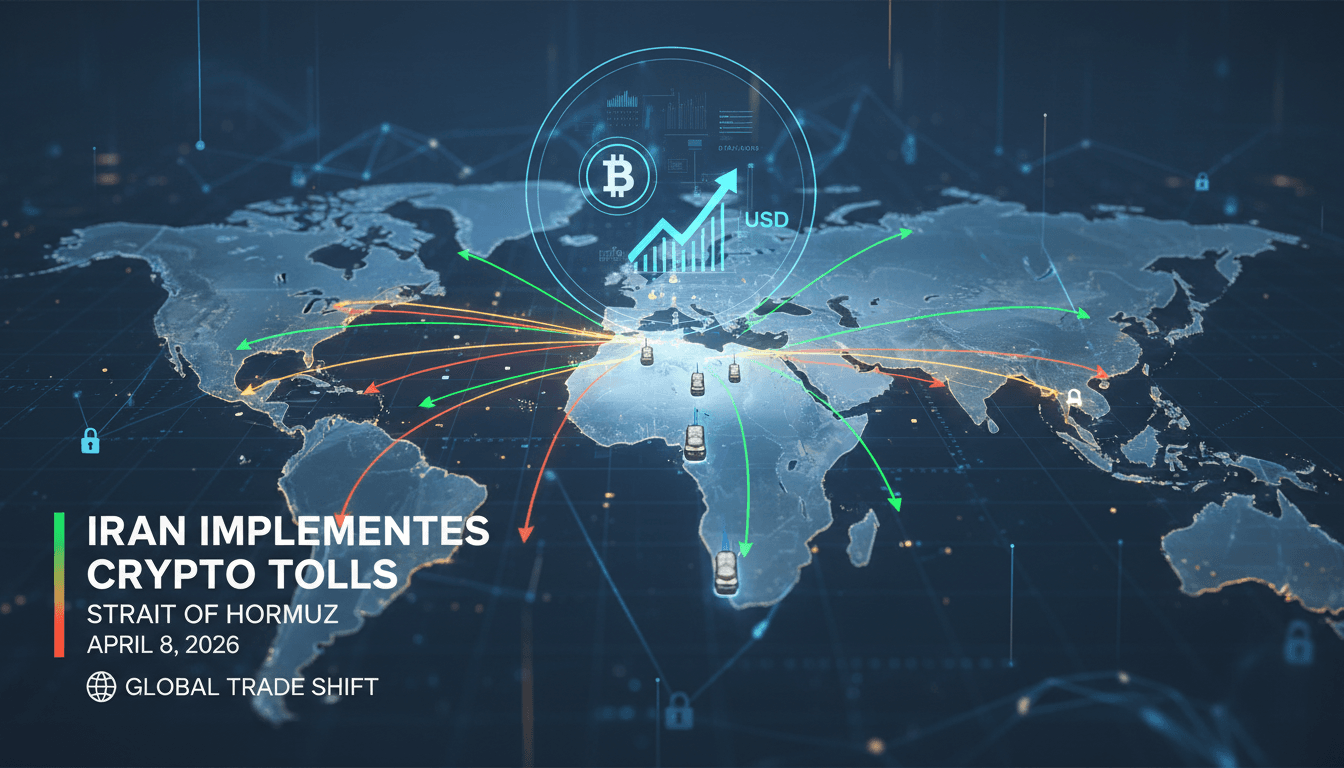
Iran Implements Cryptocurrency Tolls for Oil Tankers in Strait of Hormuz
On April 8, 2026, Iran announced the requirement for oil tankers to pay transit tolls in cryptocurrency while navigating the Strait of Hormuz. This shift is driven by the need to circumvent U.S. sanctions during a temporary ceasefire, with a proposed fee of $1 per barrel payable in Bitcoin or stablecoins. Long-term, this could reshape global oil trade dynamics and increase the adoption of cryptocurrencies in international transactions.
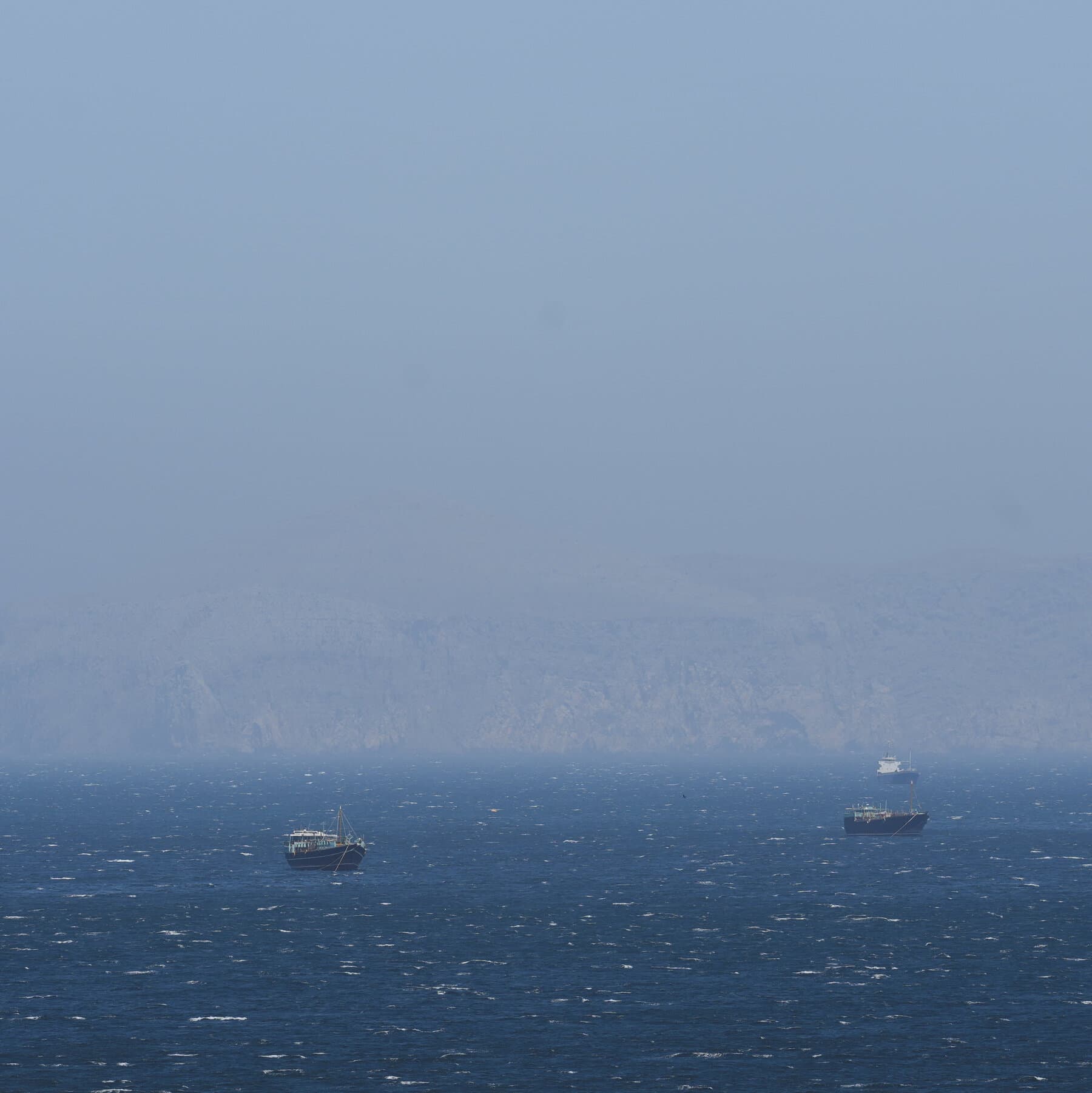
Strait of Hormuz remains restricted despite US-Iran ceasefire agreement
The Strait of Hormuz is experiencing significantly reduced ship traffic, with only 5-7 vessels transiting as of April 9, 2026, following a ceasefire between the US and Iran. This situation arises from Iran's stringent conditions for vessel navigation, including coordination with its armed forces and adherence to specific routes to avoid mines. The long-term implication is a potential escalation in geopolitical tensions and continued disruptions to global oil supply, prompting urgent discussions among international stakeholders.
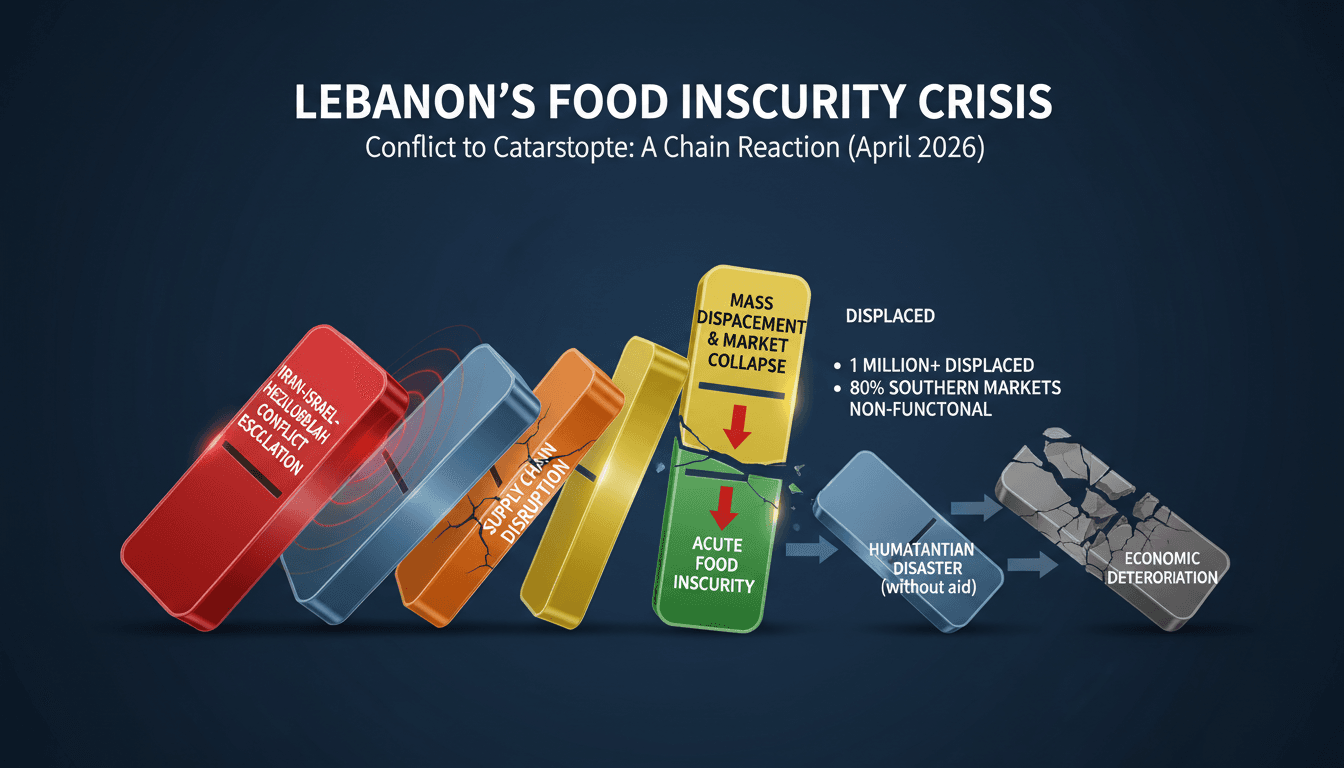
Lebanon Faces Acute Food Insecurity Crisis Amid Iran-Israel-Hezbollah Conflict
Lebanon is experiencing a severe food insecurity crisis as of April 2026, exacerbated by ongoing conflicts involving Iran, Israel, and Hezbollah. The immediate trigger for this crisis is the disruption of supply chains due to the Iran war and intensified hostilities, which have displaced over 1 million people and rendered 80% of southern markets non-functional. Long-term implications include a potential humanitarian disaster without sustained international aid and further economic deterioration in Lebanon.
Latest Stories
Russia and Ukraine Implement 32-Hour Ceasefire for Orthodox Easter
Russia has announced a unilateral 32-hour ceasefire starting April 11, 2026, coinciding with Orthodox Easter, which Ukraine has indicated it is prepared to reciprocate. This ceasefire follows a period of intense conflict and stalled diplomatic efforts, exacerbated by recent military strikes and shifting U.S. focus to Middle East tensions. The long-term implications may include renewed calls for peace negotiations, although skepticism remains high among Ukrainian forces regarding the ceasefire's effectiveness.
Iranian Mines Continue to Disrupt Navigation in Strait of Hormuz Despite Ceasefire
Stray maritime mines planted by Iran in the Strait of Hormuz are obstructing navigation as of April 11, 2026. This ongoing disruption follows a recent ceasefire and is due to Iran's inability to locate and remove all mines deployed in response to U.S.-Israeli military operations. The long-term implication is a potential escalation in regional tensions and continued volatility in global energy markets, affecting oil prices and shipping routes.
Iran Struggles to Identify Naval Mines in Strait of Hormuz
Iran has reported its inability to locate all naval mines it deployed in the Strait of Hormuz, complicating maritime navigation. This situation arises following U.S.-Israeli military strikes and Iran's subsequent mine deployment in early March, which were poorly documented and have drifted. The long-term implication is a continued disruption of oil shipping routes, potentially escalating tensions and complicating peace negotiations in the region.
Trump vows to reopen Strait of Hormuz amid fragile U.S.-Iran ceasefire
U.S. President Donald Trump has pledged to reopen the Strait of Hormuz 'fairly soon' following a two-week ceasefire after the U.S.-Iran conflict. This commitment comes as Iran's military capabilities have reportedly degraded, and economic pressures mount on Tehran. The long-term implication may involve a significant shift in global oil supply dynamics and regional stability as peace talks progress.