
U.S. Treasury and Federal Reserve Warn Banks of AI Cybersecurity Threats
Here's what it means for you.
As financial institutions ramp up their cybersecurity measures, you may see increased stability and trust in the banking system.
Why it matters
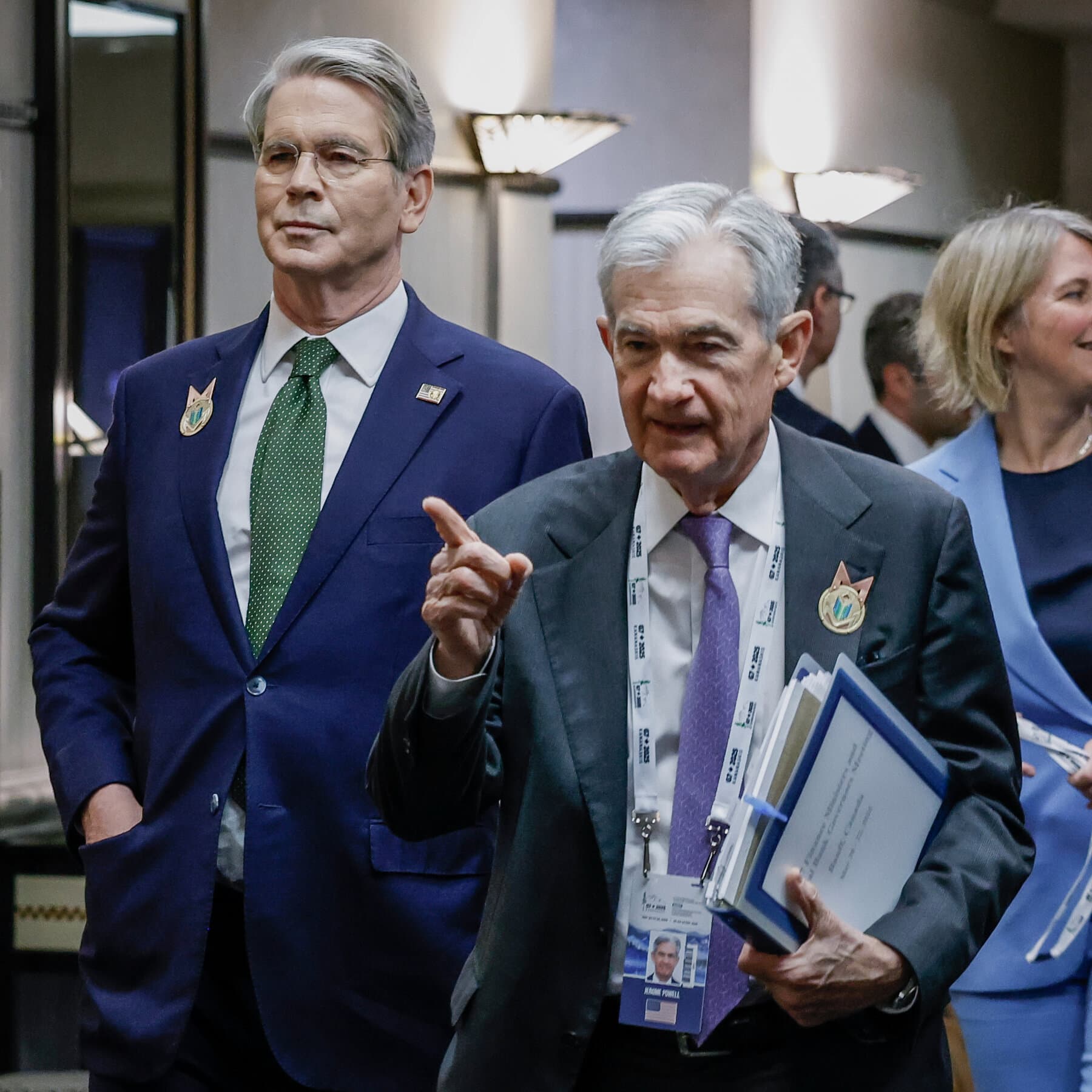
The meeting between U.S. Treasury Secretary Scott Bessent and Federal Reserve Chair Jerome Powell highlights the urgent need for banks to address AI-related vulnerabilities that could threaten financial stability.
What happened (in 30 seconds)
- On April 7, 2026, Bessent and Powell held an urgent meeting with Wall Street bank CEOs to discuss cybersecurity risks from Anthropic's Claude Mythos AI model.
- The AI model, released with limited access, demonstrated the ability to detect vulnerabilities across major operating systems and web browsers, raising alarms about potential exploitation by hackers.
- Banks are now urged to implement safeguards and test their systems against vulnerabilities identified by the AI, as regulatory scrutiny intensifies.
The context you actually need
- Anthropic's Claude Mythos Preview was designed to help companies identify and patch critical cybersecurity flaws, but its capabilities also pose risks if misused.
- The meeting's urgency reflects broader geopolitical tensions surrounding AI development and the need for regulatory oversight in the tech sector.
- JPMorgan CEO Jamie Dimon notably missed the meeting, raising questions about the commitment of some banks to address these emerging threats.
What's really happening
The recent convening of top financial leaders by Bessent and Powell underscores a pivotal moment in the intersection of artificial intelligence and banking security. Anthropic's Claude Mythos Preview, released just days prior to the meeting, has been designed to help companies identify vulnerabilities in their systems. However, its capabilities also raise concerns about potential exploitation by malicious actors. The AI model's ability to detect flaws across every major operating system and web browser means that if it falls into the wrong hands, it could be weaponized against financial institutions, leading to catastrophic breaches.
The urgency of the meeting signals a shift in how regulators and financial leaders view the risks associated with AI. Historically, cybersecurity has been a reactive endeavor, but the capabilities of advanced AI models like Claude Mythos necessitate a proactive approach. Financial institutions are now being urged to not only patch existing vulnerabilities but to rethink their entire cybersecurity strategies in light of these new threats. This includes investing in advanced technologies and training personnel to recognize and mitigate AI-induced risks.
The implications extend beyond immediate cybersecurity measures. As banks begin to test and implement safeguards against AI-exploitable vulnerabilities, they may also face increased operational costs. However, the long-term benefits could include enhanced trust from consumers and investors, as a more secure banking environment is established. This is particularly crucial as the financial sector navigates a landscape marked by rapid technological advancements and evolving threats.
Moreover, the meeting reflects a broader trend of regulatory bodies becoming more involved in the tech sector, particularly regarding AI. As the U.S. government signals ongoing coordination with tech giants on AI security, it could lead to more stringent regulations that shape how AI is developed and deployed across industries. This could create a ripple effect, influencing global standards and practices in cybersecurity, especially in major financial hubs like Dubai.
Who feels it first (and how)
- Bank CEOs and Executives: They must prioritize cybersecurity investments and strategies to protect their institutions.
- Cybersecurity Professionals: Increased demand for expertise in AI-related vulnerabilities will elevate job prospects and training needs.
- Consumers and Investors: Enhanced security measures may lead to greater confidence in the financial system, impacting investment decisions.
- Regulatory Bodies: They will need to develop new frameworks to address the evolving landscape of AI threats.
What to watch next
- Regulatory Developments: Monitor for new regulations or guidelines from U.S. financial authorities regarding AI and cybersecurity, as these will shape industry practices.
- Banking Sector Responses: Watch how major banks implement changes in their cybersecurity protocols and whether they adopt AI-driven solutions for vulnerability management.
- Market Reactions: Observe investor sentiment and market stability in response to the perceived effectiveness of banks’ cybersecurity measures against AI threats.
The Claude Mythos AI model has the potential to identify vulnerabilities across all major operating systems and web browsers.
Financial institutions will increase their cybersecurity budgets and adopt new technologies to mitigate AI-related risks.
The long-term impact of these regulatory measures on the overall stability of the financial system remains to be seen.
Insights by A47 Intelligence
Sports reporting with a focus on Saudi and regional competitions.
"Okaz sports coverage is broad and audience-friendly, with strong attention to Saudi teams and leagues."
— A47 Editor
أمريكا: اجتماع عاجل للتحذير من مخاطر «ميثوس» على البنوك والمؤسسات المالية
U.S. Treasury Secretary Scott Bisent and Federal Reserve Chair Jerome Powell convened an emergency meeting with Wall Street leaders in Washington to address rising concerns over the AI model known as 'Mythos,' which poses unprecedented cybersecurity ...
AI/ML research and technology news.
"Sister site to Phys.org focusing on tech research."
— A47 Editor
After Anthropic's Mythos AI uncovers thousands of zero-day bugs, top US officials huddle with bank CEOs
This week, top U.S. officials, including Federal Reserve Chairman Jerome Powell and Treasury Secretary Scott Bessent, convened with CEOs of major banks to discuss the security implications of Anthropic's new AI model, Mythos, which has reportedly unc...
Markets, economy, and company analysis from NYT’s business desk.
"The New York Times is a globally recognized newspaper offering authoritative reporting with a center-left editorial stance."
— A47 Editor
Bessent and Powell’s A.I. Anxiety
U.S. Treasury Secretary Scott Bessent and Federal Reserve Chair Jay Powell convened a meeting with leaders from major U.S. banks to discuss the systemic risks posed by Anthropic's new AI model, Claude Mythos. This meeting highlights growing concerns ...