
Global Gasoline Prices Remain Stagnant Despite Cease-Fire in U.S.-Iran Conflict
Here's what it means for you.
If you rely on gasoline for work or travel, expect prolonged price volatility even as supply routes reopen.
Why it matters
The ongoing instability in oil supply chains directly affects global fuel prices, impacting economies and consumers worldwide.
What happened (in 30 seconds)
- April 7, 2026: President Trump announces a U.S.-brokered cease-fire with Iran, aiming to reopen the Strait of Hormuz.
- April 8, 2026: Despite the cease-fire, significant vessel traffic has not resumed, and experts predict a slow recovery in gasoline prices.
- Ongoing Strikes: Damage to refineries and oil fields across nine Persian Gulf countries has disrupted over 10% of global oil supply.
The context you actually need
- Strait of Hormuz: This narrow waterway is crucial for global oil transit, accounting for about 20% of the world's oil supply.
- Recent Conflict: The 2026 U.S.-Iran conflict led to the closure of the Strait, causing Brent crude prices to surge above $116 per barrel and U.S. gasoline prices to spike by 38%.
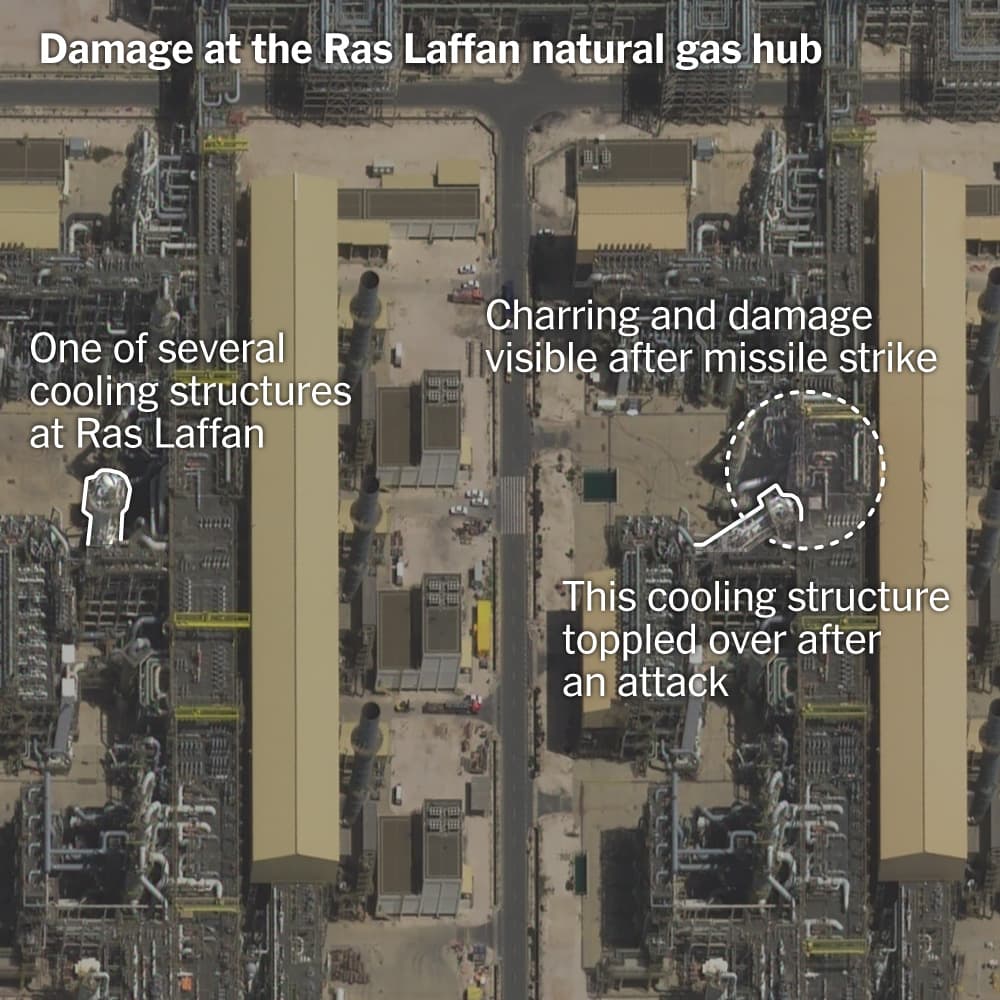
- Infrastructure Damage: Strikes on energy facilities have resulted in extensive damage, necessitating repairs that will take months, delaying any potential price recovery.
What's really happening
The recent U.S.-Iran cease-fire has created a fragile truce, yet the anticipated reopening of the Strait of Hormuz is not leading to an immediate recovery in gasoline prices. The conflict, which erupted in late March 2026, saw Iran close the Strait, halting tanker traffic and causing a significant spike in oil prices. With approximately 10% of the world's oil supply turned off due to strikes on refineries and storage facilities across nine countries, the repercussions are far-reaching.
Even with the cease-fire, the damage inflicted on critical infrastructure is extensive. Facilities in Kuwait and Iran, among others, have suffered significant attacks, leading to a backlog of repairs and inspections. The logistical challenges of re-establishing safe passage for vessels mean that the return to pre-war levels of oil supply is not just a matter of reopening the Strait. Experts predict that it could take months for the oil market to stabilize fully, as the damage to physical infrastructure and the need for personnel and equipment to be reallocated complicate the recovery process.
In Dubai, for instance, fuel prices surged by 33% to 70% in April 2026, reflecting the broader trend of rising costs linked to Brent crude prices exceeding $106 per barrel. This has left residents grappling with higher living costs amid limited alternative routes for oil exports. The UAE government has responded by sharply raising fuel prices, further straining consumers.
The aftermath of the cease-fire has seen Brent crude prices drop by 15% to $95 per barrel, yet analysts warn that sustained price elevations are likely for months to come. The U.S. Energy Information Administration has indicated that the market will not revert to stability quickly, as the impacts of the conflict continue to ripple through the global economy.
Who feels it first (and how)
- Consumers: Individuals relying on gasoline for commuting or business will face higher prices for an extended period.
- Transport Sector: Companies in logistics and transportation will experience increased operational costs, which may be passed on to consumers.
- Energy Companies: Oil producers and refineries will need to navigate the complexities of damaged infrastructure and fluctuating prices.
- Asian Refineries: Regions heavily dependent on oil imports from the Gulf will face supply shortages and increased costs.
What to watch next
- Infrastructure Repairs: Monitor the speed and effectiveness of repairs to oil facilities in the Persian Gulf; this will be crucial for determining how quickly supply can normalize.
- Geopolitical Tensions: Keep an eye on any developments in U.S.-Iran relations; renewed hostilities could further disrupt oil supply and prices.
- Market Reactions: Watch for fluctuations in Brent crude and U.S. gasoline prices; these will signal how the market is responding to the evolving situation.
The Strait of Hormuz is critical for global oil transit, and its closure has significant economic implications.
Gasoline prices will remain elevated for several months due to ongoing supply chain disruptions and infrastructure damage.
The long-term effects of the cease-fire on U.S.-Iran relations and global oil markets remain uncertain.
Insights by A47 Intelligence
U.S. business news, corporate developments, and economy.
"The Wall Street Journal is respected for deep financial and economic reporting with a center-right editorial perspective."
— A47 Editor
Iran War Cease-Fire Can’t Undo the Middle East’s Energy Hangover
A two-week ceasefire agreement between the United States and Iran has been established, aimed at stabilizing the situation in the Strait of Hormuz, a crucial waterway for global oil shipments. However, widespread damage to oil-and-gas infrastructure ...
Breaking news, politics, business, and entertainment from the U.S. and around the world.
"The New York Post is a tabloid-format newspaper known for its sensationalist headlines and conservative-leaning editorial tone."
— A47 Editor
Stiff gas prices could last through summer despite cease-fire: ‘You can’t just flip a switch’
Despite a two-week ceasefire agreement between the U.S. and Iran, which includes the reopening of the strategically important Strait of Hormuz, experts warn that gas prices may remain high throughout the summer as energy supply stabilization could ta...
Markets, economy, and company analysis from NYT’s business desk.
"The New York Times is a globally recognized newspaper offering authoritative reporting with a center-left editorial stance."
— A47 Editor
Gas Prices Won’t Quickly Return to Prewar Levels, Even if the Strait of Hormuz Reopens
Gas prices are unlikely to return to prewar levels quickly, even if the Strait of Hormuz reopens, as restoring the Gulf's energy system to normalcy will take months despite some wells being operational in days or weeks.
Canadian and international political developments and policy debates.
"Global News is a mainstream Canadian outlet with a centrist editorial stance, focusing on factual reporting."
— A47 Editor
Oil prices fall as Iran agrees to reopen Strait of Hormuz during ceasefire
Oil prices fell sharply as Iran agreed to reopen the strategically vital Strait of Hormuz during a two-week ceasefire with the United States, announced by President Trump. This ceasefire is seen as a significant diplomatic step amid escalating tensio...