
IMF Downgrades Global Growth Forecast Amid Ongoing Iran War
Here's what it means for you.
If you're in a sector reliant on stable energy prices or global trade, brace for turbulence.
Why it matters
The IMF's warning signals a potential global economic slowdown, impacting everything from consumer prices to investment strategies.
What happened (in 30 seconds)
- On April 9, 2026, IMF Managing Director Kristalina Georgieva announced that the ongoing Iran war is expected to slow global economic growth.
- Oil prices have surged above $100 per barrel due to the destruction of Iranian energy infrastructure and supply chain disruptions.
- Despite a fragile truce between the U.S. and Iran, the IMF's forecasts indicate a significant economic drag ahead.
The context you actually need
- The war began on February 28, 2026, with U.S. and Israeli strikes on Iranian targets, leading to Iranian counterattacks that damaged regional infrastructure.
- The closure of the Strait of Hormuz on March 4, 2026, has disrupted global energy markets, exacerbating inflationary pressures.
- Dubai's economy is particularly vulnerable, facing infrastructure damage and a potential exodus of expatriates, which could slow population growth.
What's really happening
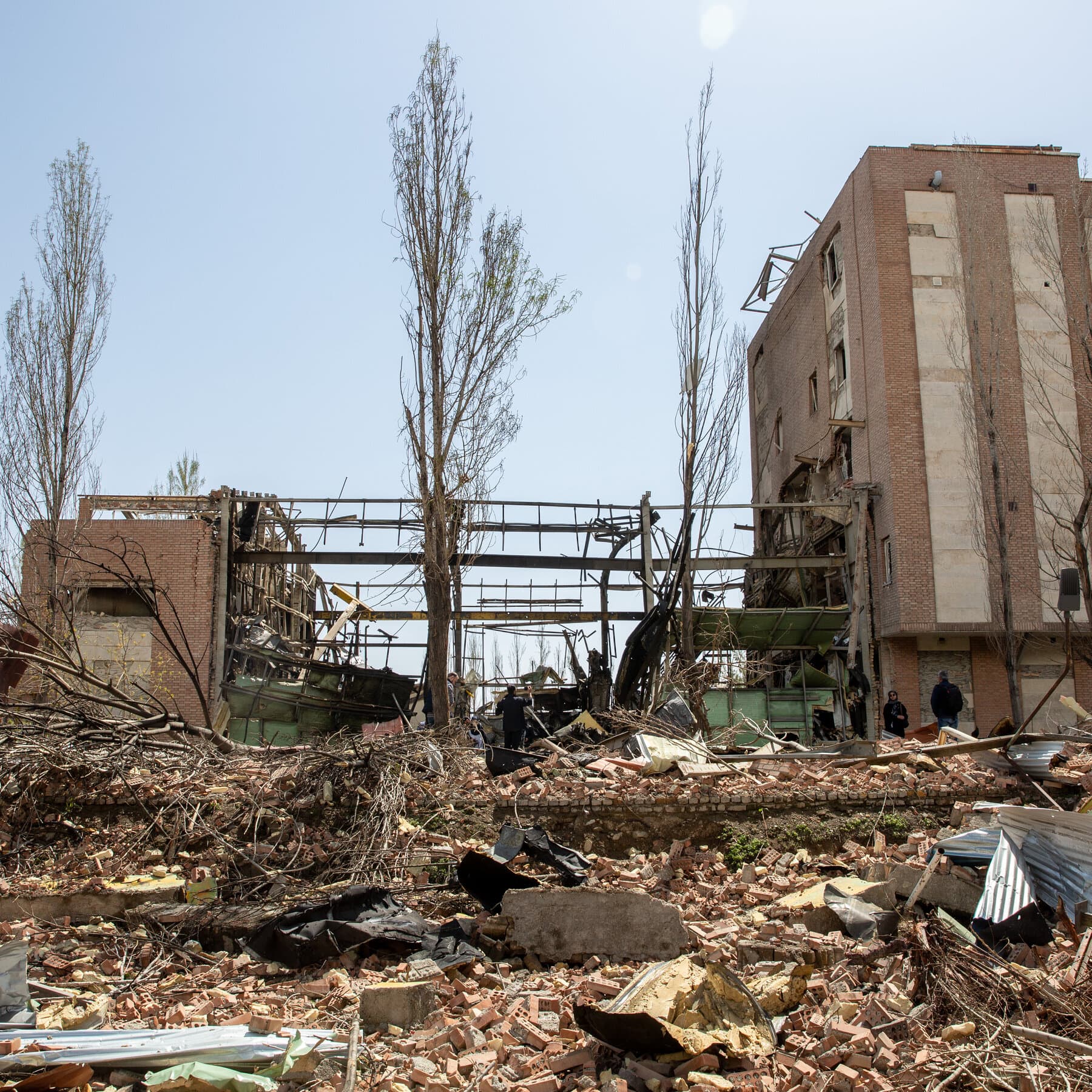
The Iran war has rapidly escalated since February 28, 2026, when the U.S. and Israel initiated strikes against Iranian military targets. In retaliation, Iran launched counterstrikes that have severely impacted regional infrastructure, including key assets in Dubai. The closure of the Strait of Hormuz, a critical chokepoint for global oil shipments, has further complicated the situation, leading to significant disruptions in energy supply chains.
As a result, oil prices have surged above $100 per barrel, a threshold that not only reflects immediate supply concerns but also signals broader inflationary pressures. This spike in energy costs is expected to ripple through the global economy, affecting everything from transportation to consumer goods. The IMF's initial projections of 3.3 percent global growth for 2026 have been downgraded as the organization anticipates that the war will lead to a permanent scar on the global economy.
Georgieva's statements highlight a grim outlook: all scenarios considered by the IMF indicate that the conflict will create a drag on economic growth. The IMF is preparing to release updated forecasts on April 15, 2026, which will likely reflect these new realities. The organization has also indicated that it may provide up to $50 billion in lending to vulnerable economies affected by the conflict, underscoring the urgency of the situation.
Central banks around the world are signaling readiness to raise interest rates to combat rising inflation, which has been exacerbated by the war. This could lead to tighter financial conditions globally, further dampening economic activity. Markets are already exhibiting volatility as investors react to sustained high energy costs, with U.S. gasoline prices exceeding $4 per gallon.
In summary, the ongoing conflict in Iran is not just a regional issue; it has profound implications for the global economy, affecting energy prices, inflation rates, and overall economic growth. The interconnectedness of global markets means that the fallout from this conflict will be felt far beyond the Middle East.
Who feels it first (and how)
- Energy sector workers: Increased oil prices could lead to job losses in sectors dependent on stable energy costs.
- Consumers: Higher fuel prices will directly impact household budgets, leading to increased costs for goods and services.
- Expatriates in Dubai: Infrastructure damage and rising instability may prompt an exodus, affecting local economies and services.
What to watch next
- IMF's updated growth forecasts: Scheduled for April 15, 2026, these will provide clearer insights into the economic impact of the Iran war.
- Oil price trends: Continued fluctuations in oil prices will signal the ongoing effects of the conflict on global markets.
- Central bank responses: Watch for potential interest rate hikes as central banks react to inflationary pressures stemming from the war.
Oil prices have exceeded $100 per barrel due to the conflict.
Global economic growth will slow significantly as a result of the war.
The long-term implications for the global economy and specific sectors remain uncertain.
Insights by A47 Intelligence
Sports reporting with a focus on Saudi and regional competitions.
"Okaz sports coverage is broad and audience-friendly, with strong attention to Saudi teams and leagues."
— A47 Editor
«النقد الدولي»: الحرب خفضت توقعات النمو العالمي
Kristalina Georgieva, the Managing Director of the International Monetary Fund (IMF), announced that the ongoing war in the Middle East has significantly lowered global growth forecasts. She highlighted that the upcoming IMF and World Bank meetings w...
Markets, economy, and company analysis from NYT’s business desk.
"The New York Times is a globally recognized newspaper offering authoritative reporting with a center-left editorial stance."
— A47 Editor
I.M.F. Says Iran War Will Drag Global Growth Lower
Kristalina Georgieva, head of the International Monetary Fund (IMF), stated that the ongoing war in Iran is expected to slow global economic growth this year, potentially leading to increased inflation and higher interest rates. The conflict has alre...
Social/economic commentary and analysis relevant to business and markets.
"WSJ blends data-driven economic insight with commentary on policy and society."
— A47 Editor
IMF Chief Expects Slowdown on Global Economic Growth Even if Peace Is ‘Durable’
Kristalina Georgieva, Managing Director of the International Monetary Fund (IMF), has indicated that global economic growth is expected to slow down, even if a durable peace is achieved following the recent conflict involving the U.S. and Israel's ac...
UK and international business news, economics, and corporate coverage.
"The Guardian’s business section covers finance and markets with a progressive editorial tone."
— A47 Editor
Head of IMF says Iran war will permanently scar global economy even if peace is reached
Kristalina Georgieva, the head of the International Monetary Fund (IMF), has warned that the ongoing conflict in Iran will have lasting negative impacts on the global economy, even if a peace agreement is reached. She highlighted that the war's scarr...
News from the United States including domestic politics, society, and culture.
"The Guardian is known for its progressive editorial stance and in-depth analysis, often advocating for social justice, environmental issues, and liberal values."
— A47 Editor
Head of IMF says Iran war will permanently scar global economy even if peace is reached
Kristalina Georgieva, the head of the International Monetary Fund (IMF), has warned that the ongoing conflict in Iran will have lasting negative impacts on the global economy, even if a peace agreement is reached. She highlighted that the war's scarr...
International coverage from The Guardian's global desks.
"The Guardian is known for its progressive editorial stance and in-depth analysis."
— A47 Editor
Head of IMF says Iran war will permanently scar global economy even if peace is reached
Kristalina Georgieva, the head of the International Monetary Fund (IMF), has warned that the ongoing conflict in Iran will have lasting negative impacts on the global economy, even if a peace agreement is reached. She highlighted that the war's effec...