
U.S. Gasoline Prices Surge to Highest Level Since Start of Iran War
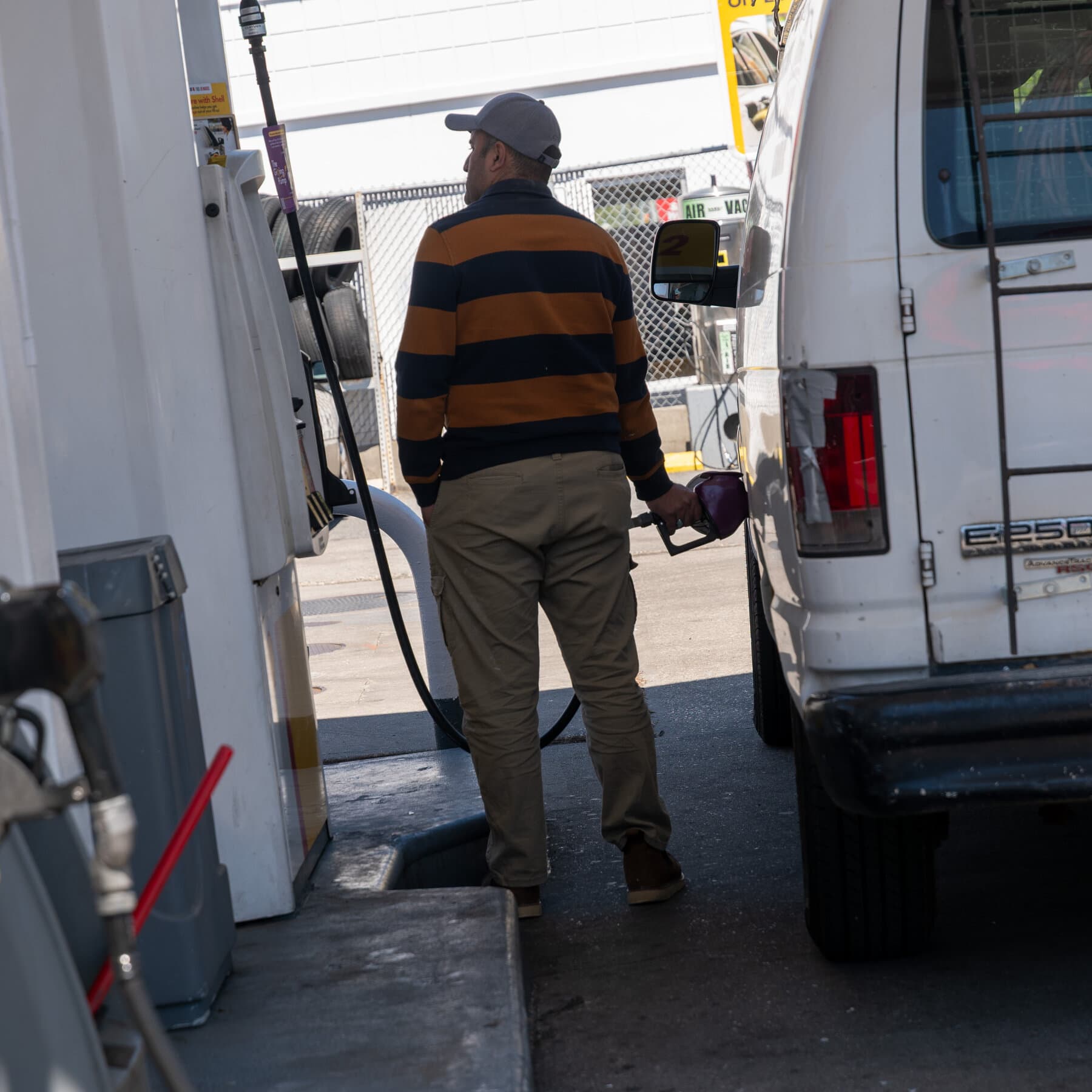
Here's what it means for you.
Rising gasoline prices could impact your daily commute and overall cost of living.
Why it matters
The surge in gasoline prices reflects ongoing geopolitical tensions that can destabilize global markets.
What happened (in 30 seconds)
- Gasoline prices reached a national average of $4.18 per gallon on April 28, 2026, the highest since the onset of the Iran War.
- Brent crude oil exceeded $104 per barrel, marking a 40% increase since the initial U.S.-Israeli strikes.
- U.S. markets reacted with a slight decline, but corporate earnings showed resilience amid the turmoil.
The context you actually need
- The 2026 Iran War began on February 28, 2026, following U.S.-Israeli airstrikes on Iranian sites, leading to immediate oil price spikes.
- Disruptions in the Strait of Hormuz, a critical shipping route, have partially halted oil supply, affecting one-fifth of global oil production.
- Peace talks between the U.S. and Iran remain stalled, sustaining fears of further supply disruptions and price volatility.
What's really happening
The recent spike in U.S. gasoline prices is a direct consequence of the geopolitical landscape shaped by the ongoing Iran War. The conflict, which erupted in February 2026, was triggered by U.S.-Israeli airstrikes aimed at curbing Iran's nuclear ambitions and military capabilities. This military action led to immediate retaliatory threats from Iran, particularly concerning the Strait of Hormuz, a vital chokepoint for global oil shipments.
As tensions escalated, oil prices surged, with Brent crude climbing over 40% since the onset of hostilities. The Strait of Hormuz is crucial, as it facilitates the passage of approximately 20% of the world's oil supply. Disruptions here have not only affected oil prices but have also sent shockwaves through global markets, with the S&P 500 and European indices experiencing declines.
The current average price of gasoline in the U.S. stands at $4.18 per gallon, a significant increase from pre-war levels. This price hike is compounded by the fact that the U.S. has not announced any federal relief measures, leaving consumers to bear the brunt of rising costs. Analysts predict that these elevated prices may persist throughout 2026, as the deadlock in peace negotiations continues to fuel uncertainty.
In the UAE, the situation mirrors that of the U.S., with fuel prices increasing over 30% month-on-month in April 2026. The UAE's decision to exit OPEC in May 2026 further complicates the global oil landscape, as it may lead to reduced cooperation among oil-producing nations, potentially exacerbating price volatility.
The implications of these developments extend beyond just fuel costs; they affect inflation rates, consumer spending, and overall economic stability. As gasoline prices rise, consumers may cut back on discretionary spending, which could slow economic growth. Businesses reliant on transportation and logistics will also face increased operational costs, which may be passed on to consumers.
Who feels it first (and how)
- Commuters: Higher gasoline prices directly impact daily travel costs.
- Logistics companies: Increased fuel costs affect shipping and delivery expenses.
- Consumers: Rising prices may lead to higher costs for goods and services.
- Investors: Market fluctuations can affect stock portfolios, particularly in energy sectors.
What to watch next
- Peace negotiations: Progress or setbacks in U.S.-Iran talks will significantly influence oil supply and prices.
- OPEC's response: The UAE's exit from OPEC could lead to shifts in production strategies and pricing.
- Consumer spending trends: Monitoring how rising fuel costs affect consumer behavior will provide insights into broader economic impacts.
Gasoline prices have reached $4.18 per gallon due to geopolitical tensions.
Prices will remain elevated through 2026 if peace talks remain stalled.
The long-term impact of the UAE's OPEC exit on global oil prices.
This article was generated by AI from 7 verified sources and reviewed by A47 editorial systems.
Global news coverage with extensive reporting on Middle Eastern conflicts and geopolitics.
"Al Jazeera is a Qatar-based broadcaster known for wide regional coverage and alternative perspectives."
— A47 Editor
US gas reaches $4.30 per gallon; Trump says prices will drop after Iran war
The price of gasoline in the United States has surged to $4.30 per gallon, marking a nearly 30-cent increase within a week, driven by the ongoing blockade in the Strait of Hormuz and diplomatic tensions with Iran. This spike reflects the broader impa...
Comprehensive coverage of Middle Eastern and global issues.
"Al Jazeera is a prominent voice from the Global South, especially the Middle East, with an emphasis on underreported stories."
— A47 Editor
US gas reaches $4.30 per gallon; Trump says prices will drop after Iran war
The price of gasoline in the United States has surged to $4.30 per gallon, marking a nearly 30-cent increase within a week, driven by the ongoing blockade in the Strait of Hormuz and diplomatic tensions with Iran. This spike reflects the broader impa...
Focused political reporting and governmental affairs.
"NBC News is a mainstream media outlet known for comprehensive national and international news coverage with a centrist to slightly left-leaning editorial tone."
— A47 Editor
National Average for Gas Prices Now at $4.30 a Gallon
The national average for gas prices in the United States has risen to $4.30 per gallon, marking an increase of over $1.30 since the onset of the war in Iran. This surge reflects ongoing geopolitical tensions, particularly in the Strait of Hormuz, whi...
Corporate finance news, M&A, deals, and executive interviews.
"Finance Monthly serves a professional readership with corporate finance coverage."
— A47 Editor
US Gas Prices Hit $4.23 as Iran War Lands in Household Budgets
U.S. gas prices have surged to an average of $4.23 per gallon, marking the highest level since July 2022, largely due to the ongoing conflict in Iran which has disrupted energy supplies. This increase translates to a significant financial burden for ...
Global business headlines with AI angles.
"General business outlet that frequently covers AI."
— A47 Editor
Iran War Pushes U.S. Gas Prices To Highest Level Since War Began as Strait of Hormuz Remains Closed
U.S. gas prices have surged to $4.18 a gallon, marking the highest level since the onset of the Iran conflict, which began following attacks by the U.S. and Israel on Iran in late February. This increase of $1.19 per gallon reflects the ongoing geopo...
Right-of-center views on political news.
"The Washington Times is a conservative-leaning newspaper known for its political coverage and advocacy of right-of-center viewpoints."
— A47 Editor
Gas prices rise to highest point since war's start; Trump insists Iran in 'state of collapse'
Gas prices in the U.S. have surged to their highest levels since the onset of the Iran war, with prices averaging $4.18 per gallon, intensifying pressure on President Trump as he navigates a military operation against Tehran.
News from the United States including domestic politics, society, and culture.
"The Guardian is known for its progressive editorial stance and in-depth analysis, often advocating for social justice, environmental issues, and liberal values."
— A47 Editor
US gas prices surge to highest level in four years, averaging $4.18 a gallon
US gas prices have surged to an average of $4.18 a gallon, marking the highest level in four years, as geopolitical tensions, particularly involving Iran, continue to impact oil markets. This increase is attributed to stalled negotiations regarding t...
Markets, economy, and company analysis from NYT’s business desk.
"The New York Times is a globally recognized newspaper offering authoritative reporting with a center-left editorial stance."
— A47 Editor
U.S. Gas Prices Hit Highest Level Since Beginning of War in Iran
U.S. gas prices surged by 1.6 percent on Tuesday, marking the highest increase since the onset of the conflict in Iran, reflecting ongoing instability in the region. This rise in fuel costs is attributed to disruptions in energy supplies and heighten...