
Saudi and Iranian Foreign Ministers Discuss Regional Tensions Amid Ongoing Conflict
Here's what it means for you.
If tensions ease between Saudi Arabia and Iran, you could see more stability in global energy prices and regional markets.
Why it matters
This diplomatic engagement could signal a shift towards reduced hostilities in a region critical to global energy supplies.
What happened (in 30 seconds)
- Saudi Foreign Minister Prince Faisal bin Farhan bin Abdullah received a call from Iranian Foreign Minister Abbas Araghchi on April 9, 2026.
- The ministers discussed ongoing regional developments and potential pathways to mitigate escalating tensions amid the ongoing Iran war.
- Both sides emphasized the importance of restoring security and stability in the Middle East.
The context you actually need
- Diplomatic relations between Saudi Arabia and Iran were restored in March 2023, following a China-brokered agreement, allowing for high-level contacts.
- Tensions escalated in late February 2026 due to US-Israeli strikes on Iranian sites, leading to Iranian retaliatory actions against US bases and Gulf allies.
- A fragile ceasefire was established around April 7-8, 2026, following disruptions in the Strait of Hormuz, which raised global energy concerns.
What's really happening
On April 9, 2026, the phone call between the Saudi and Iranian foreign ministers marked a significant moment in a complex web of regional tensions. The backdrop of this conversation is critical: the ongoing Iran war, which has seen retaliatory strikes and military escalations, has created an environment of uncertainty that extends beyond the borders of these two nations.
The recent US-Israeli military actions against Iranian nuclear and military sites have intensified hostilities, prompting Iran to launch missile and drone attacks on US bases and allied Gulf states, notably targeting Saudi Arabia's Jubail petrochemical complex. This has not only heightened military tensions but also disrupted vital shipping routes in the Strait of Hormuz, a crucial artery for global oil transport.
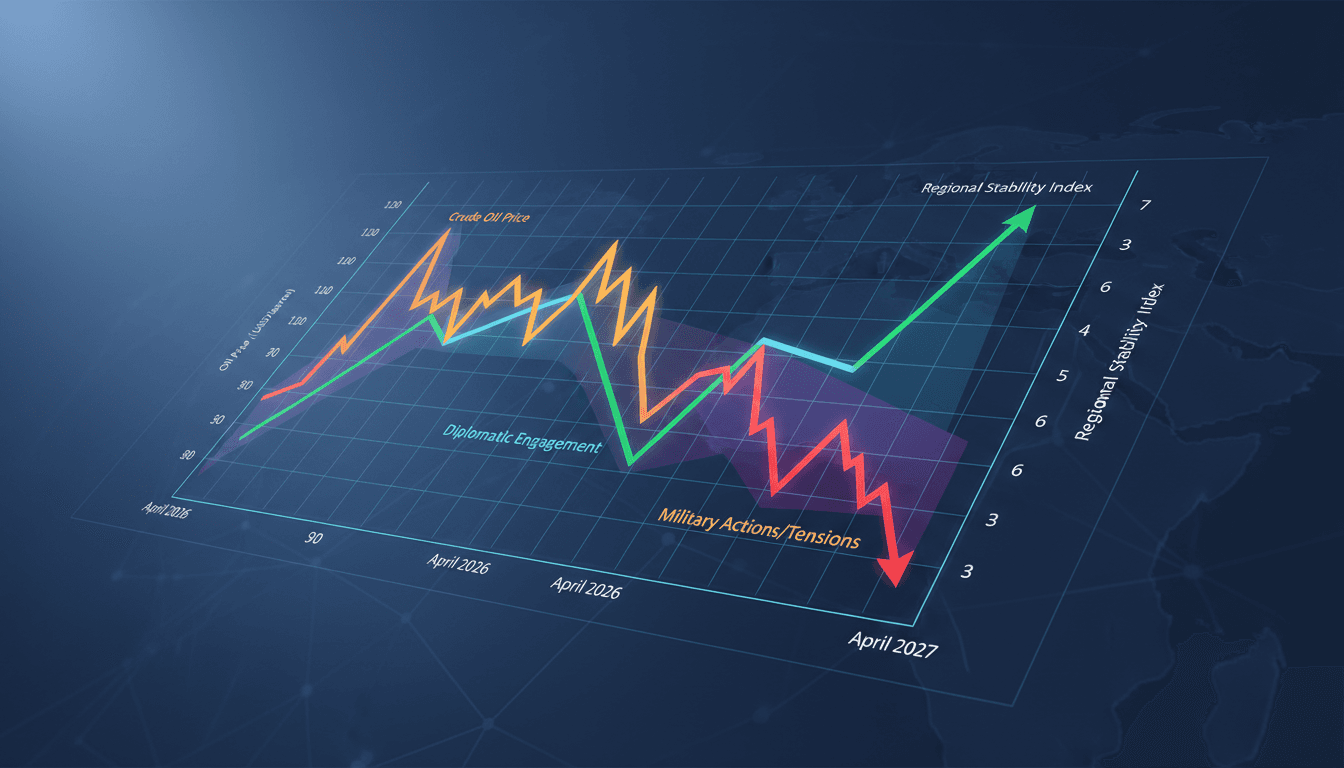
The conversation between the foreign ministers is part of broader efforts to de-escalate these tensions. Both Saudi Arabia and Iran recognize the potential economic fallout from continued conflict, particularly in the energy sector. Saudi oil officials have projected that if disruptions persist, Brent crude oil prices could soar to $180 per barrel. Such a price spike would have far-reaching implications for global markets and consumer prices.
The recent ceasefire negotiations, which occurred just days before the phone call, have provided a temporary respite from hostilities. However, the sustainability of this ceasefire remains uncertain. The Saudi Ministry of Foreign Affairs has confirmed the focus on de-escalation during the call, suggesting a willingness to engage in dialogue rather than military confrontation.
The implications of this diplomatic engagement extend beyond the immediate region. For investors and businesses, particularly those in energy and finance, the stabilization of relations could lead to a more predictable market environment. The Dubai Financial Market index, for example, surged by 8.5% following signals of a ceasefire, indicating that market participants are responding positively to the prospect of reduced tensions.
Who feels it first (and how)
- Energy sector professionals: Fluctuations in oil prices directly impact jobs and investments in this sector.
- Investors in Gulf markets: Stock market gains reflect investor confidence in regional stability, affecting portfolios.
- Consumers in the Middle East: Stabilized fuel prices can lead to lower costs for goods and services, impacting daily expenses.
What to watch next
- Continued diplomatic engagements: Future calls or meetings between Saudi and Iranian officials could indicate a commitment to de-escalation.
- Oil price fluctuations: Monitor Brent crude prices; any significant rise could signal renewed tensions or instability.
- Regional military activities: Keep an eye on military movements and strikes, particularly in the Gulf region, as they could affect negotiations.
Saudi and Iranian officials are engaging in dialogue to address regional tensions.
Continued fluctuations in oil prices as the situation evolves and market reactions unfold.
The long-term sustainability of the ceasefire and whether it will lead to lasting peace.
Insights by A47 Intelligence
Arabic-language coverage of Saudi, regional, and international affairs.
"Al Bilad offers mainstream Saudi newspaper coverage across domestic and broader Arab topics."
— A47 Editor
وزير الخارجية يتلقى اتصالًا هاتفيًا من وزير خارجية إيران
Prince Faisal bin Farhan bin Abdullah, the Minister of Foreign Affairs, received a phone call from Iranian Foreign Minister Abbas Araghchi. The discussion focused on the current situation and ways to reduce tensions, aiming to contribute to the retur...
Pan-Arab news coverage spanning politics, business, sports, and regional affairs.
"Asharq Al-Awsat reflects a broad Arab editorial perspective with strong attention to regional geopolitics."
— A47 Editor
وزير الخارجية السعودي يتلقى اتصالاً من نظيره الإيراني
Saudi Foreign Minister Prince Faisal bin Farhan received a phone call from Iranian Foreign Minister Abbas Araqchi, marking a significant diplomatic interaction between the two nations. This communication reflects ongoing efforts to engage in dialogue...