
U.S. and Canadian Airlines Increase Baggage Fees and Fuel Surcharges Amid Jet Fuel Price Surge
Here's what it means for you.
If you're traveling on U.S. or Canadian airlines, expect to pay more for checked baggage and potentially face higher ticket prices.
Why it matters
This fee increase reflects broader trends in the airline industry as fuel costs surge, impacting travel budgets and consumer choices.
What happened (in 30 seconds)
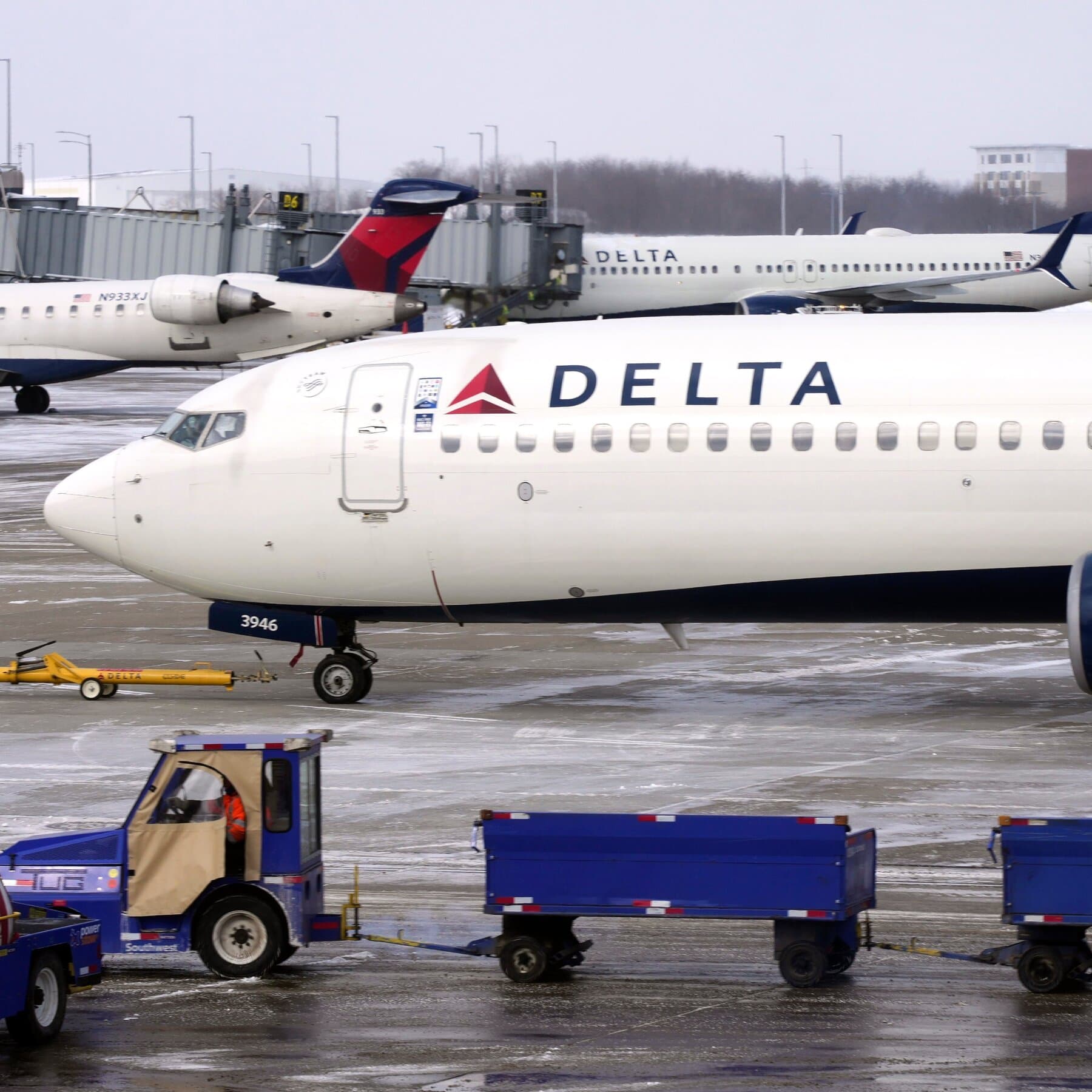
- On April 7, 2026, major airlines like Delta and Southwest announced increases in checked baggage fees and new fuel surcharges due to rising jet fuel prices.
- Jet fuel prices surged by 87% to $4.69 per gallon, driven by the ongoing war in Iran, significantly raising operational costs for airlines.
- Airlines are responding with fee increases, with Delta and Southwest adding $10 to their checked baggage fees, while WestJet introduced surcharges up to C$60 on select flights.
The context you actually need
- Fuel costs account for about 20% of airline operating expenses, making them a critical factor in pricing strategies.
- Preceding fee adjustments by other airlines, including United and JetBlue, indicate a systemic response to escalating fuel prices, establishing a trend in ancillary revenue adjustments.
- Consumer sentiment is shifting, with complaints about rising fees surfacing on social media, yet no regulatory actions have been taken by authorities in the U.S. or Canada.
What's really happening
The recent surge in baggage fees and fuel surcharges by U.S. and Canadian airlines is a direct response to a significant increase in jet fuel prices, which have risen by 87% since late February 2026. This spike is largely attributed to geopolitical tensions, particularly the war in Iran, which has disrupted supply chains and increased costs across the aviation sector. As fuel constitutes a substantial portion of airlines' operating expenses—approximately 20%—the impact of these rising costs is profound.
Airlines are now faced with the challenge of maintaining profitability while keeping ticket prices competitive. To address this, many carriers are turning to ancillary revenue streams, such as baggage fees and fuel surcharges, to offset the increased operational costs. Delta Air Lines and Southwest Airlines have both raised their first and second checked bag fees by $10, bringing them to $45 and $55, respectively. WestJet's introduction of fuel surcharges up to C$60 on select flights further exemplifies this trend.
The airline industry's shift toward these "sticky" fees—charges that passengers are less likely to avoid—reflects a broader strategy to adapt to fluctuating fuel prices while managing customer expectations. This approach allows airlines to recoup some of the increased costs without raising base fares too dramatically, which could deter travelers.
However, this strategy comes with risks. As consumers become more price-sensitive in the face of rising travel costs, airlines may find themselves in a precarious position. Complaints about "sky-high fees" are already surfacing on social media, indicating potential backlash from travelers who feel squeezed by additional charges.
Moreover, the volatility of jet fuel prices means that airlines will need to remain agile in their pricing strategies. If fuel prices stabilize or decrease, there may be pressure to roll back some of these surcharges and fees to retain customer loyalty. Conversely, if geopolitical tensions continue to escalate, further increases in fees may be inevitable.
Who feels it first (and how)
- Frequent travelers: Business and leisure travelers who rely on U.S. and Canadian airlines will see immediate impacts on their travel budgets.
- Budget-conscious consumers: Families and individuals who typically fly with checked baggage will feel the pinch of increased fees.
- Airline employees: Staff may face increased pressure to justify the rising costs to customers and manage complaints effectively.
- Travel agencies: Agencies may need to adjust their pricing strategies and communication with clients regarding additional fees.
What to watch next
- Fuel price trends: Keep an eye on jet fuel prices; if they stabilize or drop, airlines may reconsider their fee structures.
- Consumer sentiment: Monitor social media and travel forums for feedback on fee increases, which could influence airline policies.
- Regulatory responses: Watch for any potential interventions from the U.S. Department of Transportation or Canadian authorities regarding fee practices.
Airlines are raising baggage fees and implementing fuel surcharges due to increased jet fuel prices.
Consumer backlash may lead airlines to reconsider or adjust their fee structures in the near future.
The long-term impact of these fee increases on airline profitability and consumer travel behavior remains uncertain.
This article was generated by AI from 5 verified sources and reviewed by A47 editorial systems.
Capitol Hill news, legislation, and policy insight.
"The Hill specializes in U.S. politics and policy, with a focus on Capitol Hill developments and a reputation for insider reporting."
— A47 Editor
These 4 airlines have raised checked bag fees as fuel costs soar
Delta Air Lines and Southwest Airlines have announced a $10 increase in checked bag fees for most flights, a move prompted by rising jet fuel costs linked to the ongoing conflict in Iran. This fee adjustment reflects a broader trend among U.S. airlin...
Corporate leadership, finance, technology, and market trends.
"Fortune covers financial trends, leadership, and innovation with a pragmatic editorial approach."
— A47 Editor
Less than a year after ditching its famous ‘bags fly free’ policy, Southwest is hiking prices again
Southwest Airlines has announced a $10 increase in fees, following its recent decision to eliminate the popular ‘bags fly free’ policy, amid rising jet fuel costs attributed to the ongoing conflict in Iran.
Markets, economy, and company analysis from NYT’s business desk.
"The New York Times is a globally recognized newspaper offering authoritative reporting with a center-left editorial stance."
— A47 Editor
Delta, Southwest, WestJet and Other Airlines Announce Higher Baggage Fees and Fuel Surcharges
American and Canadian airlines, including Delta, Southwest, and WestJet, have announced increases in baggage fees and fuel surcharges in response to rising fuel costs linked to the ongoing conflict in Iran. Delta Air Lines is raising its checked-bag ...
International coverage from The Guardian's global desks.
"The Guardian is known for its progressive editorial stance and in-depth analysis."
— A47 Editor
Several US airlines raise baggage fees due to higher oil costs associated with Iran war
Several major US airlines, including Delta, United, and JetBlue, have increased their baggage fees in response to soaring oil prices, which have nearly doubled due to the ongoing conflict in Iran. This decision comes despite Delta reporting a $1 bill...
U.S. business news, corporate developments, and economy.
"The Wall Street Journal is respected for deep financial and economic reporting with a center-right editorial perspective."
— A47 Editor
Delta Air Lines Increases Bag Fees as Fuel Prices Rise
Delta Air Lines has announced an increase in checked bag fees for domestic and select short-haul international routes, a decision driven by rising jet fuel costs linked to the ongoing conflict in Iran. This adjustment reflects the airline's strategy ...