
Jet Fuel Shortage Crisis Disrupts Global Air Travel Amid Ongoing Iran War
Here's what it means for you.
If you plan to travel to Europe this summer, expect higher fares and potential flight cancellations.
Why it matters
The jet fuel shortage threatens to disrupt air travel during peak summer demand, impacting millions of travelers.
What happened (in 30 seconds)
- February 28, 2026: U.S. and Israeli airstrikes initiate the Iran war, leading to the closure of the Strait of Hormuz.
- April 2026: Jet fuel prices surge over 70%, prompting airlines like Lufthansa and KLM to announce thousands of flight cuts.
- Late May 2026: Anticipated flight cancellations and capacity reductions threaten summer travel plans across Europe.
The context you actually need
- Strait of Hormuz: This critical waterway is responsible for 20% of global oil transit, making its closure a significant disruption.
- European reliance: Europe sources 75% of its jet fuel from Middle Eastern refineries, heightening vulnerability to supply shocks.
- Pre-existing conditions: Declining European refining capacity has exacerbated the situation, leaving airlines with limited options to mitigate shortages.
What's really happening
The jet fuel shortage crisis is a direct consequence of geopolitical tensions stemming from the Iran war, which began with U.S. and Israeli airstrikes on February 28, 2026. This military action prompted Iran to close the Strait of Hormuz, a vital artery for global oil transport, disrupting the flow of oil and jet fuel to Europe. As a result, jet fuel prices have skyrocketed, with the Platts Jet Fuel Price Index reporting increases of over 70% since late February, and some markets experiencing price hikes of up to 103%.
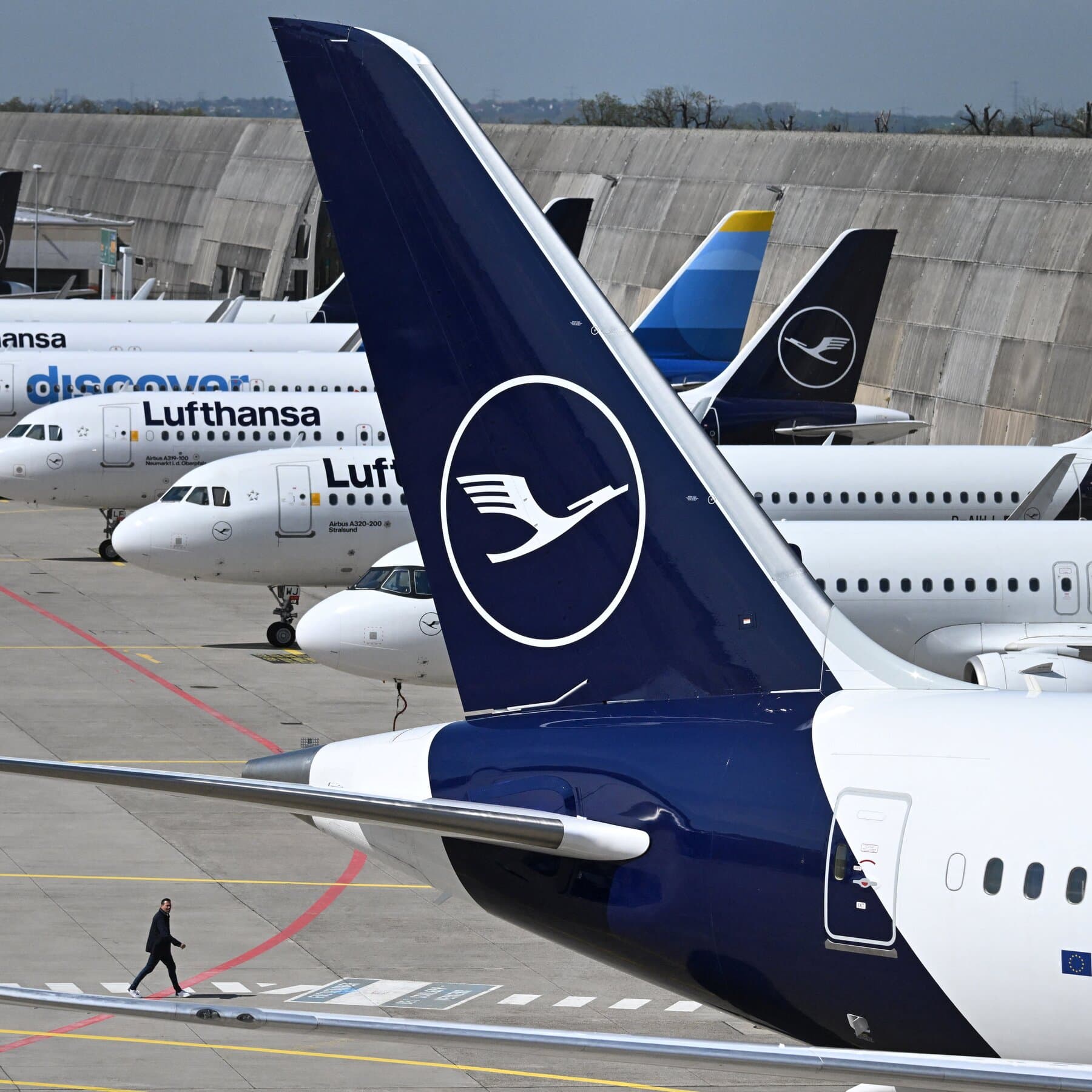
Airlines are now facing a dual challenge: soaring fuel costs and dwindling supplies. Major carriers, including Lufthansa and KLM, have responded by implementing drastic measures, such as cutting thousands of flights. Lufthansa alone has announced the cancellation of 20,000 short-haul flights through October 2026 to conserve fuel. This is not just a temporary fix; it reflects a broader trend of airlines consolidating low-demand routes and retiring less efficient aircraft to manage costs.
The International Air Transport Association (IATA) has warned that flight cancellations could begin as early as late May, coinciding with the peak summer travel season. This is particularly concerning for travelers who have already booked flights, as airlines are likely to impose fuel surcharges and reduce flexibility in ticketing. The European Commission is monitoring the situation but has downplayed immediate risks, while the International Energy Agency (IEA) is urging airlines to seek alternative fuel sources from the U.S. and Nigeria.
The crisis is compounded by a pre-existing decline in European refining capacity, which has made the region more susceptible to supply shocks. With the summer travel season approaching, the combination of high demand and limited supply is expected to lead to significant disruptions, affecting not only airlines but also travelers who may face higher fares and fewer options.
Who feels it first (and how)
- Travelers: Expect higher airfare and potential cancellations, particularly for flights to Europe.
- Airlines: Major carriers are cutting flights and implementing fuel surcharges to manage costs.
- Tourism sectors: Destinations reliant on summer tourism may see reduced visitor numbers and economic impacts.
- Logistics companies: Increased fuel costs may affect shipping and freight operations, leading to higher prices for goods.
What to watch next
- Airfare trends: Monitor changes in ticket prices as airlines adjust to fuel costs; this will indicate how much the crisis is impacting consumer travel.
- Flight cancellations: Keep an eye on announcements from airlines regarding flight cuts, especially as summer approaches; this will signal the extent of the crisis.
- Government responses: Watch for potential interventions from the European Commission or other regulatory bodies to stabilize fuel supplies and mitigate impacts on air travel.
Jet fuel prices have surged over 70% since late February 2026.
Airlines will continue to cut flights and impose fuel surcharges as the crisis unfolds.
The long-term impacts on air travel demand and airline profitability remain uncertain.
Insights by A47 Intelligence
Stock market news, investing ideas, and trading analysis.
"TheStreet provides market news and retail-investor-focused analysis."
— A47 Editor
Another airline cancels all summer flights from city over fuel costs
Lufthansa has announced the cancellation of 20,000 flights for the upcoming summer season, primarily due to soaring jet fuel prices linked to the ongoing closure of the Strait of Hormuz. This decision reflects the airline's efforts to adjust its oper...
Markets, economy, and company analysis from NYT’s business desk.
"The New York Times is a globally recognized newspaper offering authoritative reporting with a center-left editorial stance."
— A47 Editor
How Jet Fuel Shortages Could Affect Summer Travel to Europe and Beyond
Airlines are facing significant challenges due to soaring jet fuel prices linked to the ongoing conflict in Iran, prompting Lufthansa to cut nearly 20,000 flights over the next six months to conserve fuel. This situation is expected to impact summer ...
English-language reporting on Saudi politics, policy, and society.
"Saudi Gazette reflects mainstream Saudi institutional perspectives."
— A47 Editor
Lufthansa cuts 20,000 flights as Iran war causes jet fuel shortage
Lufthansa Group announced a reduction of 20,000 short-haul flights over the summer due to rising oil prices and jet fuel shortages exacerbated by the ongoing US-Iran conflict. The airline plans to focus on more profitable routes, particularly to and ...
Major U.S. developments and regional news.
"ABC News delivers broad national coverage with a mainstream editorial stance, focusing on accessibility and balanced reporting."
— A47 Editor
Airline company Lufthansa cuts 20,000 flights as war squeezes fuel prices and supplies
Lufthansa Airlines has announced a significant reduction of 20,000 short-haul flights scheduled through October, a decision driven by escalating oil prices and concerns over potential jet fuel shortages linked to the ongoing conflict in Iran.
Comprehensive coverage of Middle Eastern and global issues.
"Al Jazeera is a prominent voice from the Global South, especially the Middle East, with an emphasis on underreported stories."
— A47 Editor
Lufthansa cuts 20,000 flights as Iran war causes jet fuel shortage
Lufthansa has announced the cancellation of 20,000 short-haul flights from its schedule between now and October, a decision driven by a significant jet fuel shortage linked to the ongoing conflict in Iran.
Global news coverage with extensive reporting on Middle Eastern conflicts and geopolitics.
"Al Jazeera is a Qatar-based broadcaster known for wide regional coverage and alternative perspectives."
— A47 Editor
Lufthansa cuts 20,000 flights as Iran war causes jet fuel shortage
Lufthansa has announced the cancellation of 20,000 short-haul flights from its schedule between now and October, a decision driven by a significant jet fuel shortage linked to the ongoing conflict in Iran.
Business and economy coverage focused on Dubai, the UAE, Saudi Arabia, and the wider Middle East.
"Arabian Business is a well-known regional business outlet with strong focus on Gulf markets, leadership, and investment stories."
— A47 Editor
Lufthansa cuts tens of thousands of summer flights to save jet fuel costs sparking concern for European travel
Lufthansa has announced a significant reduction of tens of thousands of summer flights as part of its strategy to save on rising jet fuel costs, a decision that has raised concerns about the future of European travel.