
Dolce & Gabbana Appoints Stefano Cantino as Co-CEO Amid Financial Restructuring
Here's what it means for you.
The luxury fashion landscape is shifting, and this leadership change at Dolce & Gabbana could redefine brand strategies that impact your purchasing decisions.
Why it matters
This transition reflects broader challenges in the luxury sector, particularly as brands adapt to changing consumer demands and financial pressures.
What happened (in 30 seconds)
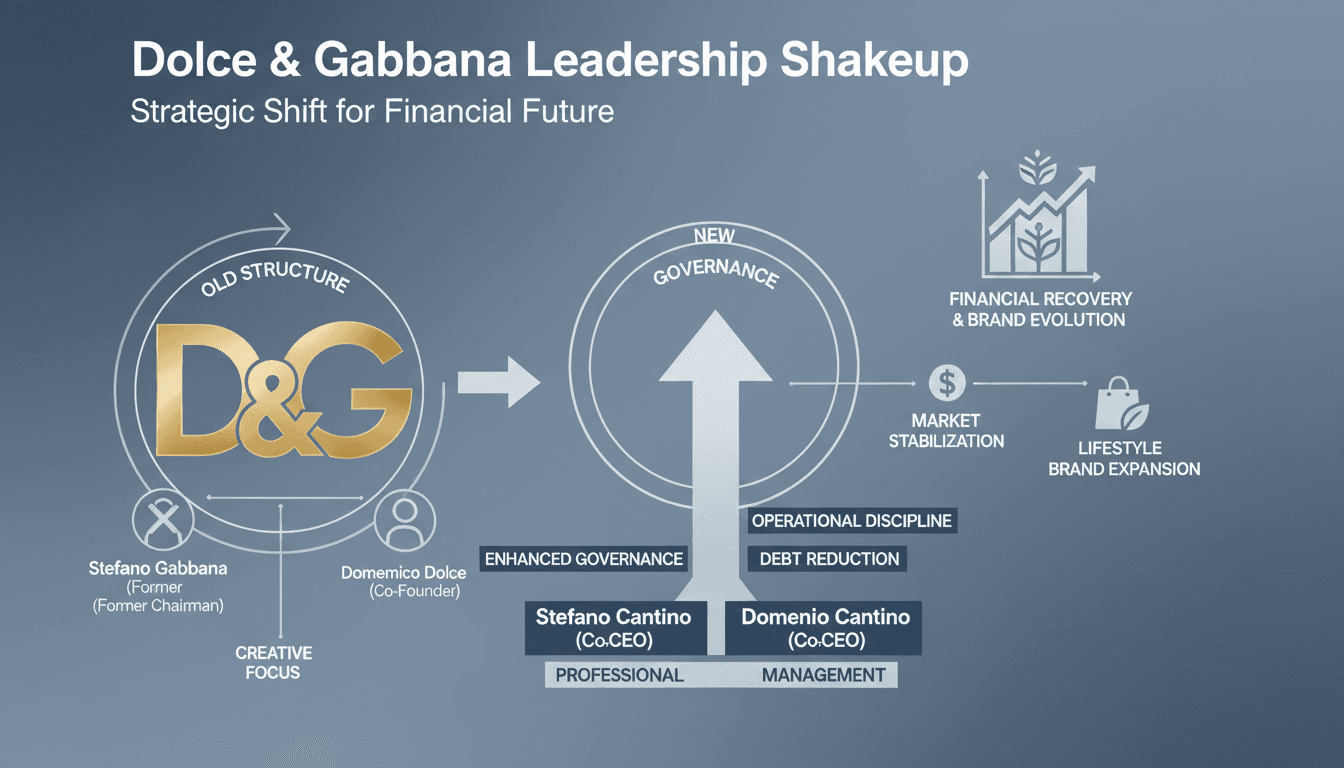
- Stefano Cantino was appointed co-CEO of Dolce & Gabbana on April 13, 2026, following the resignation of co-founder Stefano Gabbana as chairman.
- Alfonso Dolce, the existing CEO, now shares leadership responsibilities with Cantino to enhance operational governance amid financial restructuring.
- The company is navigating a significant debt of approximately €450 million and a strategic shift towards becoming a lifestyle brand.
The context you actually need
- Founded in 1985, Dolce & Gabbana has built its reputation on Sicilian heritage and celebrity endorsements, expanding into various luxury segments.
- The luxury market is experiencing a downturn, particularly with reduced demand from China, leading to a €143 million net loss for the fiscal year 2024-2025.
- Gabbana's resignation was part of a broader strategy to professionalize management and address accumulated debt, with Cantino's experience in luxury retail seen as a crucial asset.
What's really happening
The appointment of Stefano Cantino as co-CEO marks a significant shift in Dolce & Gabbana's leadership structure, driven by the urgent need to address financial instability and adapt to a rapidly changing luxury market. The luxury sector has been grappling with a slowdown, particularly influenced by declining demand from key markets like China. This has resulted in a staggering €143 million net loss for the company in the last fiscal year, alongside an alarming debt level nearing €450 million.
In response to these pressures, the company is pivoting towards a more structured governance model, which is evident in the leadership changes. Stefano Gabbana's decision to step down as chairman, while retaining creative responsibilities, signals a willingness to embrace a more professional management approach. This is crucial as the brand seeks to navigate complex refinancing negotiations with lenders, aiming to stabilize its financial footing.
Alfonso Dolce, who now assumes the chairman role, is tasked with steering the company through this transition alongside Cantino, who brings a wealth of experience from his previous roles at Gucci and Louis Vuitton. Their partnership is expected to enhance operational discipline and drive growth initiatives, positioning Dolce & Gabbana to evolve into a lifestyle brand that resonates with modern consumers.
The implications of this leadership transition extend beyond internal operations; they reflect a broader trend in the luxury industry where brands are increasingly prioritizing governance and strategic management to remain competitive. As consumer preferences shift towards lifestyle-oriented offerings, Dolce & Gabbana's evolution may serve as a case study for other luxury brands facing similar challenges.
Who feels it first (and how)
- Luxury Retailers: Brands may need to adapt their strategies to compete with evolving consumer expectations.
- Investors: Stakeholders will closely monitor the company's financial recovery and governance changes.
- Consumers: Shifts in product offerings and brand positioning could influence purchasing decisions, particularly in affluent markets like Dubai.
What to watch next
- Debt Refinancing Outcomes: The success of negotiations with lenders will be critical for the company's financial health.
- Market Response: Consumer reactions to the new leadership and brand direction will indicate the effectiveness of the transition.
- Sales Performance: Tracking sales figures in key markets, especially in luxury hotspots like Dubai, will reveal the impact of these changes.
The company is facing significant debt and operational challenges.
The leadership changes will lead to a more structured governance model and strategic focus on lifestyle branding.
The long-term impact on brand perception and consumer loyalty remains to be seen.
This article was generated by AI from 3 verified sources and reviewed by A47 editorial systems.
Business, investment, entrepreneurship, leadership, and innovation.
"Forbes is known for its coverage of business leaders, market trends, and entrepreneurial ventures with a pro-business editorial stance."
— A47 Editor
Cantino In As New CEO While Stefano Gabbana Relinquishes D&G Chair
Dolce & Gabbana has appointed Stefano Cantino as co-CEO following the resignation of co-founder Stefano Gabbana from his position as chairman. This leadership change, announced on April 9, 2026, marks a significant shift in the management structure o...
Regional and international reporting focused on Middle Eastern politics, diplomacy, and economics.
"Asharq Al-Awsat is a Saudi-owned international newspaper reflecting mainstream Gulf political perspectives."
— A47 Editor
Dolce & Gabbana Appoints Ex-Gucci Boss Stefano Cantino as Co-CEO
Dolce & Gabbana has appointed Stefano Cantino, the former CEO of Gucci, as its new co-CEO, marking a significant leadership change for the luxury fashion brand. This decision comes as the company seeks to navigate the competitive fashion landscape an...
Global markets, investing, and macroeconomics from a premier financial newsroom.
"Bloomberg is respected for in-depth financial reporting and data-driven analysis."
— A47 Editor
Dolce & Gabbana Names Ex-Gucci Boss Cantino as Co-CEO
Dolce & Gabbana has appointed former Gucci executive Stefano Cantino as co-CEO following the resignation of co-founder Stefano Gabbana from his role as chairman. This leadership transition marks a significant shift in the company's management structu...