
Iranian Delegation Arrives in Islamabad for US Negotiations Amid Ceasefire
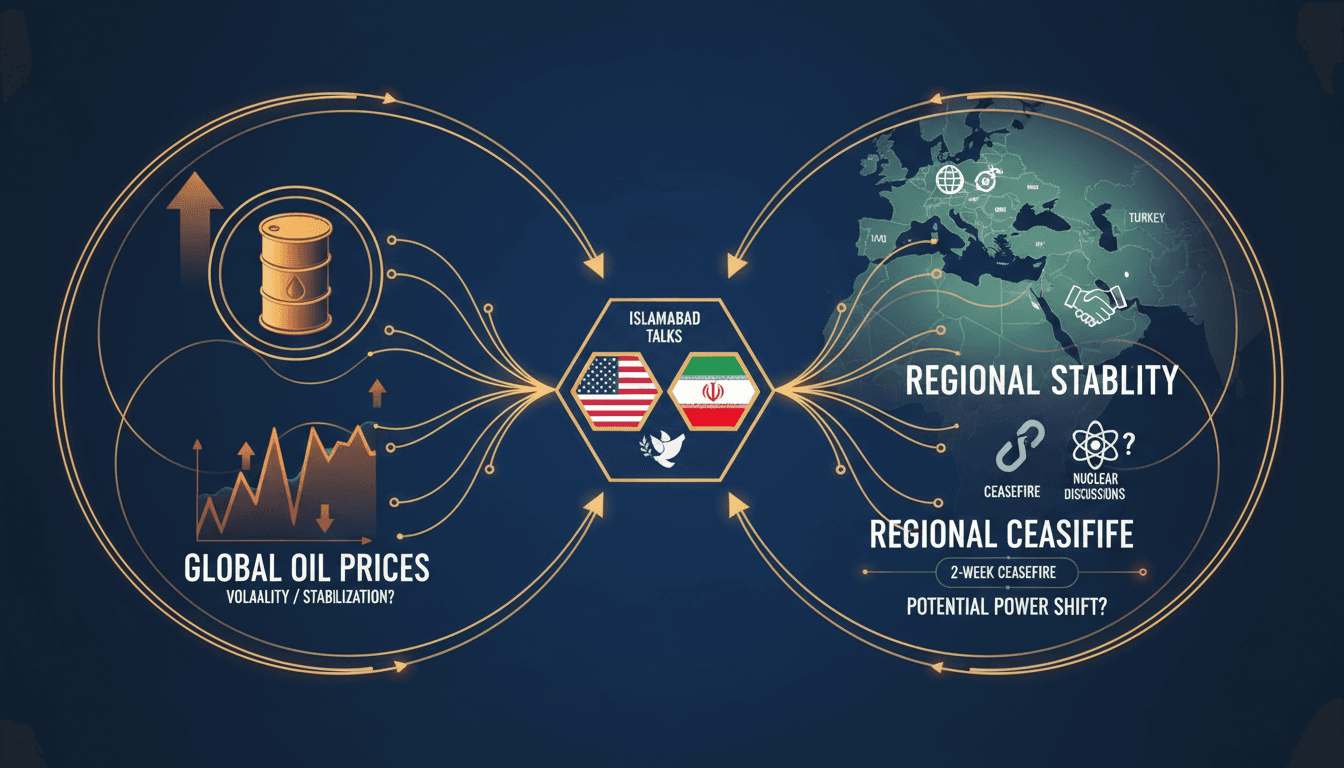
Here's what it means for you.
The outcome of these negotiations could influence global oil prices and regional security, impacting your daily costs and safety.
Why it matters
This diplomatic effort could stabilize a volatile region, affecting global markets and energy supply chains.
What happened (in 30 seconds)
- An Iranian delegation led by Parliament Speaker Mohammad Bagher Ghalibaf arrived in Islamabad on April 9, 2026, for negotiations with the U.S.
- The talks, mediated by Pakistan, aim to address a fragile ceasefire following a Mideast war involving the U.S., Israel, and Iran.
- Key issues include Iran's uranium enrichment and control over the Strait of Hormuz, critical for global oil shipping.
The context you actually need
- Recent conflict: A Mideast war erupted in February 2026, leading to U.S. and Israeli strikes on Iran and Iranian retaliation, including a blockade of the Strait of Hormuz.
- Ceasefire status: A two-week ceasefire was announced on April 7, 2026, but has faced violations, raising concerns over its sustainability.
- Previous negotiations: Indirect discussions between the U.S. and Iran, mediated by Oman, stalled over nuclear issues and sanctions, prompting Pakistan's involvement as a neutral host.
What's really happening
The arrival of the Iranian delegation in Islamabad marks a pivotal moment in Middle Eastern diplomacy. Following a tumultuous two-week ceasefire that was established on April 7, 2026, the stakes are high for both Iran and the United States. The ceasefire was a response to escalating tensions that began with military actions in February, leading to significant regional instability. The U.S. and Israel initiated strikes on Iranian targets, prompting Iran to retaliate with a blockade of the vital Strait of Hormuz, a crucial artery for global oil transport.
The negotiations in Islamabad are centered around Iran's 10-point proposal, which addresses critical issues such as uranium enrichment and regional de-escalation. The proposal is not merely a diplomatic formality; it reflects Iran's strategic interests in maintaining its nuclear capabilities while seeking to alleviate international sanctions. The U.S. delegation, led by Vice President JD Vance, is under pressure to navigate these discussions carefully, balancing national security interests with the need for regional stability.
Pakistan's role as a mediator is significant. By offering Islamabad as a neutral ground, Prime Minister Shehbaz Sharif aims to position Pakistan as a key player in Mideast diplomacy, potentially enhancing its geopolitical standing. However, the success of these talks is contingent on both sides' willingness to compromise, particularly given the skepticism within Iran regarding U.S. intentions and the ongoing violations of the ceasefire by Israel.
The implications of these talks extend beyond immediate regional concerns. Global oil prices are already feeling the effects of the uncertainty surrounding the Strait of Hormuz, with Brent crude prices rising to $97.46 per barrel as of April 8, 2026. This volatility directly impacts consumers, particularly in regions like Dubai, where elevated fuel prices and increased import costs are felt. The outcome of the Islamabad negotiations could either stabilize or further destabilize these markets, influencing everything from transportation costs to consumer goods prices.
Who feels it first (and how)
- Consumers in the Gulf: Higher fuel prices due to fluctuating oil markets will directly impact daily expenses.
- Energy sector stakeholders: Companies involved in oil production and distribution will experience volatility in pricing and supply chain disruptions.
- Regional governments: Countries in the Middle East may face increased pressure to respond to changing dynamics in U.S.-Iran relations, affecting their own security policies.
What to watch next
- Ceasefire compliance: Monitoring any violations or adherence to the ceasefire terms will indicate the likelihood of sustained peace.
- Oil price fluctuations: Continued changes in Brent crude prices will signal market reactions to the negotiations and regional stability.
- Public sentiment in Iran: Observing Iranian public opinion and protests can provide insights into the domestic pressures that may influence Tehran's negotiating stance.
The Iranian delegation is in Islamabad for negotiations with the U.S.
The outcome of these talks will influence oil prices and regional security dynamics.
The extent to which both parties will be willing to compromise on key issues.
Insights by A47 Intelligence
Regional and international reporting focused on Middle Eastern politics, diplomacy, and economics.
"Asharq Al-Awsat is a Saudi-owned international newspaper reflecting mainstream Gulf political perspectives."
— A47 Editor
Iranian Delegation Due in Islamabad ahead of US Talks
An Iranian delegation is set to arrive in Islamabad ahead of anticipated talks with the United States, scheduled to begin on Friday. This diplomatic engagement follows a two-week ceasefire agreement brokered by Pakistan, aimed at reducing tensions in...
European coverage of Middle East politics and security issues.
"France 24 offers international reporting with a European editorial perspective."
— A47 Editor
Pakistan plays major role trying to mediate an end to Iran war
Pakistan has emerged as a crucial mediator in the ongoing conflict between the United States and Iran, successfully brokering a two-week ceasefire agreement aimed at reducing escalating tensions in the Middle East. This diplomatic effort is set again...
Coverage of current events and conflicts in the Middle East.
"France 24 is viewed as a globally focused outlet with balanced coverage and a European perspective."
— A47 Editor
Pakistan plays major role trying to mediate an end to Iran war
Pakistan has emerged as a crucial mediator in the ongoing tensions between the United States and Iran, successfully facilitating a two-week ceasefire agreement. This diplomatic achievement comes amid escalating conflicts in the region, with Islamabad...