
Japan Lifts Arms Export Restrictions for Lethal Weapons Sales
Here's what it means for you.
The easing of Japan's arms export restrictions could reshape defense procurement strategies and security alliances globally.
Why it matters
This policy change signals a significant shift in Japan's defense posture, impacting regional security dynamics and international arms markets.
What happened (in 30 seconds)
- On April 21, 2026, Japan's cabinet approved revisions to its arms export policies, allowing the export of lethal weapons for the first time since World War II.
- The new policy eliminates previous restrictions, enabling Japan to export defense equipment to 17 approved partner nations amid rising security threats from China and North Korea.
- Public reaction has been mixed, with protests against the policy reflecting concerns over Japan's pacifist identity and divided public opinion.
The context you actually need
- Japan's postwar pacifism has historically limited arms exports, with strict controls in place since the 1970s, only recently relaxed for non-lethal equipment.
- The geopolitical landscape has shifted, with increasing military activities from China and North Korea prompting Japan to reconsider its defense strategy and alliances.
- The Liberal Democratic Party's push for this policy change reflects a broader trend of militarization in response to perceived threats, aiming to integrate Japan's defense sector into global supply chains.
What's really happening
The approval of Japan's revised arms export policy marks a pivotal moment in the country's defense strategy, moving away from its long-standing pacifist stance. Historically, Japan has maintained strict arms export controls, rooted in its post-World War II constitution, which emphasized peace and non-aggression. The conditional ban on arms exports was first instituted in 1967, evolving into a total embargo by 1976.
However, the geopolitical landscape has dramatically changed in recent years. The rise of China's military capabilities and North Korea's aggressive missile tests have heightened security concerns in the region. Additionally, uncertainties regarding the reliability of the U.S. alliance have prompted Japan to reassess its defense posture. The new policy allows Japan to export lethal weapons to 17 approved partner nations, a significant expansion from the previous five non-lethal categories.
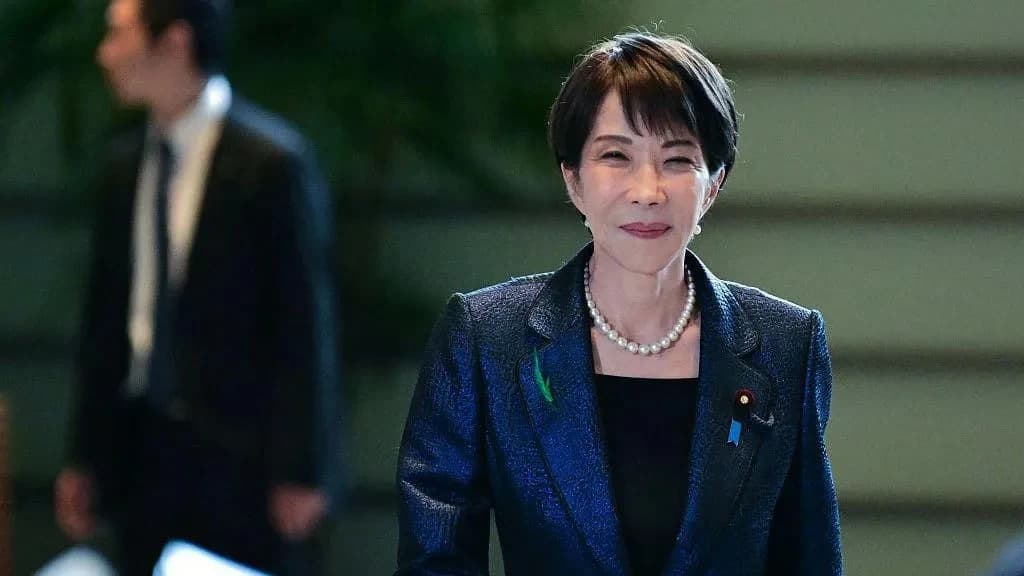
The decision, endorsed by Prime Minister Sanae Takaichi and the National Security Council, aims to bolster Japan's defense industry and foster mutual security cooperation with allied nations. This shift is not merely about increasing arms sales; it reflects a strategic realignment in response to regional threats. By integrating its defense sector into global supply chains, Japan seeks to enhance its military capabilities while contributing to collective security efforts.
Despite the government's assurances of adherence to international export controls and UN Charter compliance, public opposition has surfaced. Protests from citizens and opposition parties highlight concerns over the erosion of Japan's pacifist identity. An NHK poll indicates a divided public opinion on the matter, suggesting that while defense firms anticipate market expansion, there is significant apprehension among the populace.
The implications of this policy change extend beyond Japan. Countries like Poland and the Philippines have expressed interest in acquiring Japanese defense technology, potentially reshaping regional security dynamics. As Japan navigates this new terrain, the balance between national security interests and public sentiment will be crucial in determining the future of its arms export policies.
Who feels it first (and how)
- Defense contractors: Anticipate new market opportunities and increased demand for Japanese military technology.
- Regional allies: Countries like Poland and the Philippines may seek to strengthen defense ties with Japan, impacting procurement strategies.
- Japanese citizens: Public sentiment may shift as the implications of arms exports become more apparent, influencing political discourse.
What to watch next
- International arms deals: Monitor agreements between Japan and its 17 approved partner nations, as these will indicate the pace and scale of Japan's arms exports.
- Public opinion trends: Watch for shifts in public sentiment regarding Japan's militarization, as protests and polls could influence future policy decisions.
- Geopolitical developments: Keep an eye on military activities from China and North Korea, as these will likely impact Japan's defense strategy and arms export policies.
Japan has approved the export of lethal weapons to 17 partner nations.
Increased interest from foreign nations in acquiring Japanese defense technology.
The long-term impact on Japan's pacifist identity and public sentiment regarding militarization.
Insights by A47 Intelligence
Arabic-language coverage of political affairs and current events.
"Okaz political coverage typically follows mainstream Saudi framing on national and regional affairs."
— A47 Editor
اليابان تكسر قيود عقود من السلمية وتفتح باب تصدير الأسلحة
Japan has announced a significant easing of decades-long restrictions on arms exports, marking a major shift in its post-World War II pacifist defense policy. The new policy allows Tokyo to export weapons to over 17 countries with which it has defens...
International stories from NPR’s global desk.
"NPR is an American public media organization known for thoughtful reporting and a slightly left-leaning editorial tone."
— A47 Editor
Japan approves removing ban on lethal weapons exports
Japan has officially approved the removal of its ban on lethal weapons exports, marking a significant shift in its postwar pacifist policy. This decision allows Japan to engage in the international arms market and sell advanced military equipment to ...
Regional and international reporting focused on Middle Eastern politics, diplomacy, and economics.
"Asharq Al-Awsat is a Saudi-owned international newspaper reflecting mainstream Gulf political perspectives."
— A47 Editor
Japan Overhauls Decades-Old Weapons Export Rules
Japan has announced a significant overhaul of its decades-old weapons export rules, marking a pivotal shift in its military policy. This change is part of a broader strategy to enhance defense capabilities amid rising geopolitical tensions, particula...
Pan-Arab political news and analysis.
"Al-Quds Al-Arabi is a London-based Arabic newspaper known for political coverage."
— A47 Editor
اليابان تخفف قيودها على تصدير الأسلحة في تغيير تاريخي للبلد المسالم منذ الحرب العالمية الثانية
Japan announced on Tuesday a historic easing of its long-standing restrictions on arms exports, allowing the country, which has adhered to a pacifist constitution since the end of World War II, to sell lethal weapons abroad. Government spokesperson M...
Comprehensive coverage of Middle Eastern and global issues.
"Al Jazeera is a prominent voice from the Global South, especially the Middle East, with an emphasis on underreported stories."
— A47 Editor
Japan lifts ban on lethal weapons exports in major shift of pacifist policy
Japan has officially lifted its ban on lethal weapons exports, marking a significant shift from its long-standing pacifist policy. This decision allows Japan to engage in the international arms market, including the potential sale of advanced militar...
Global news coverage with extensive reporting on Middle Eastern conflicts and geopolitics.
"Al Jazeera is a Qatar-based broadcaster known for wide regional coverage and alternative perspectives."
— A47 Editor
Japan lifts ban on lethal weapons exports in major shift of pacifist policy
Japan has officially lifted its ban on lethal weapons exports, marking a significant shift from its long-standing pacifist policy. This decision allows Japan to engage in the international arms market, including the potential sale of advanced militar...
International stories from NPR’s global desk.
"NPR is an American public media organization known for thoughtful reporting and a slightly left-leaning editorial tone."
— A47 Editor
Japan approves scrapping a ban on lethal weapons exports
Japan has officially approved the removal of its ban on lethal weapons exports, marking a significant shift in its postwar arms sales policy. This decision paves the way for the country to engage in the sale of advanced military equipment, including ...
Editor-curated FT homepage stories spanning markets, business, world, and opinion.
"The Financial Times is a globally respected business publication with a centrist/center-left tone and strong markets focus."
— A47 Editor
Japan lifts ban on lethal arms exports
Japan has lifted its ban on lethal arms exports, marking a significant shift from its traditionally pacifist stance. This decision allows Japanese defense contractors to pursue international markets, potentially expanding their business opportunities...
Arabic-language coverage of international news and geopolitics.
"RT Arabic is a Russian state-funded outlet often criticized for promoting Kremlin-aligned narratives."
— A47 Editor
لأول مرة بعد الحرب العالمية الثانية.. اليابان تنهي حظر تصدير الأسلحة الفتاكة
Japan has officially approved the lifting of its ban on the export of lethal weapons, marking a significant shift in its post-World War II pacifist policy. This decision was made on Tuesday and reflects a new direction in Japan's defense strategy.