
U.S. Proposes Maritime Freedom Construct to Secure Strait of Hormuz Amid Rising Tensions
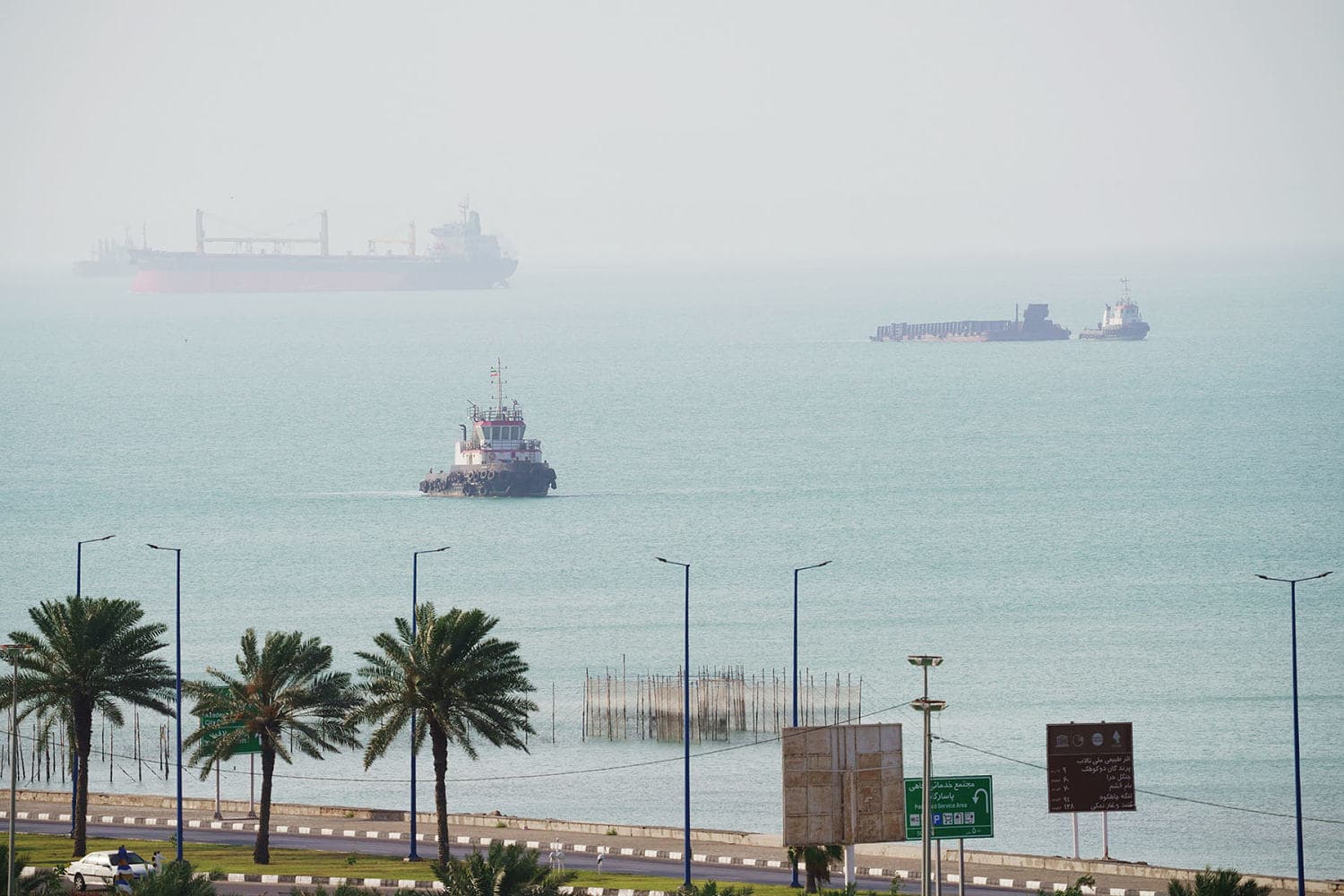
Here's what it means for you.
If you rely on global oil markets, the U.S. initiative could impact fuel prices and supply chains.
Why it matters
The Strait of Hormuz is a critical chokepoint for global oil trade, and disruptions here can lead to significant economic repercussions worldwide.
What happened (in 30 seconds)
- On May 1, 2026, the U.S. State Department proposed the 'Maritime Freedom Construct' (MFC) to restore safe passage through the Strait of Hormuz.
- Tensions escalated after U.S.-Israeli airstrikes on Iran led to Iranian blockades, causing oil prices to spike to four-year highs.
- Allied responses to the MFC are pending, with prior rejections of U.S. requests for naval support complicating the situation.
The context you actually need
- The Strait of Hormuz is a 21-mile-wide passage that facilitates approximately 20% of global oil and liquefied natural gas trade.
- Iran's actions in response to U.S.-Israeli strikes included blockades and attacks on vessels, significantly disrupting maritime traffic.
- President Trump's NATO criticisms and troop withdrawal announcements have strained relationships with key allies, complicating coalition-building efforts.
What's really happening
The U.S. State Department's 'Maritime Freedom Construct' (MFC) initiative is a strategic response to escalating tensions in the Strait of Hormuz, a vital artery for global oil trade. The proposal comes amid a backdrop of heightened military activity and diplomatic friction, particularly following U.S.-Israeli airstrikes on Iranian targets on February 28, 2026. These strikes prompted Iran to impose blockades and demand tolls for passage, effectively choking off a critical supply route that carries 20% of the world's oil.
The MFC aims to coordinate a coalition of allies to ensure safe passage through the Strait, focusing on information sharing, diplomatic pressure on Iran, and potential military deconfliction. However, the initiative faces significant hurdles. President Trump's recent criticisms of NATO allies and his announcement of troop withdrawals from Europe have created a climate of distrust. Key allies, including Germany, Japan, and Australia, have rebuffed requests for naval support, complicating the U.S. position.
The economic implications are profound. As commercial traffic through the Strait dwindles, oil prices have surged, with Brent crude reaching a peak of $126 per barrel. This spike is felt globally, with consumers facing higher fuel prices and inflationary pressures. In Dubai, for instance, residents are experiencing fuel prices 40-50% above pre-conflict levels, impacting daily life and business operations.
The MFC's success hinges on the ability to rally international support while navigating the complex geopolitical landscape. Iran has signaled a willingness to reopen the Strait under certain conditions, including the lifting of the U.S. blockade. However, Trump insists on nuclear concessions, creating a stalemate that prolongs uncertainty in the region.
As the U.S. pushes for a coalition, the potential for limited involvement from NATO allies remains. The situation is fluid, with oil markets reacting to every development. The MFC represents a critical attempt to stabilize a key global trade route, but its effectiveness will depend on diplomatic finesse and the ability to manage relationships with both allies and adversaries.
Who feels it first (and how)
- Oil and gas companies: Increased prices and supply chain disruptions affect profitability and operational costs.
- Consumers: Higher fuel prices lead to increased costs for transportation and goods, impacting household budgets.
- Logistics and shipping sectors: Delays and increased transit costs disrupt global supply chains, affecting delivery times and pricing.
- Governments: Rising inflation and energy costs can lead to public discontent and economic instability.
What to watch next
- Allied responses to the MFC: The willingness of NATO allies to participate will determine the initiative's effectiveness and impact on global oil markets.
- Iran's negotiations: Any developments in talks regarding the reopening of the Strait and U.S. sanctions will significantly influence oil prices and regional stability.
- Oil price fluctuations: Continued volatility in oil prices will affect global markets and consumer behavior, particularly in energy-dependent economies.
The Strait of Hormuz is critical for global oil trade, and disruptions will impact prices.
Continued tensions between the U.S. and Iran will affect diplomatic efforts and military posturing in the region.
The extent of NATO allies' involvement in the MFC and its overall effectiveness in restoring safe passage.
This article was generated by AI from 8 verified sources and reviewed by A47 editorial systems.
Arabic-language coverage of political affairs and current events.
"Okaz political coverage typically follows mainstream Saudi framing on national and regional affairs."
— A47 Editor
ترمب يجدّد رفضه.. مسؤول إيراني: المقترح الجديد يدعو لفتح «هرمز» قبل محادثات النووي
An Iranian official revealed that Tehran's proposal, which has been rejected by President Donald Trump, calls for the opening of the Strait of Hormuz to maritime traffic and the lifting of the U.S. naval blockade on Iran, while postponing discussions...
Regional coverage and analysis focused on politics, diplomacy, and business across the Middle East.
"Al-Monitor is known for analytical reporting on Middle East politics and policy developments."
— A47 Editor
Iranian proposal rejected by Trump would open strait before nuclear talks, Iran official says
An Iranian proposal to open shipping in the Strait of Hormuz and lift the U.S. blockade on Iran has been rejected by President Donald Trump, who stated that the terms are unacceptable. This proposal was intended to separate discussions on Iran's nucl...
Focused political reporting and governmental affairs.
"NBC News is a mainstream media outlet known for comprehensive national and international news coverage with a centrist to slightly left-leaning editorial tone."
— A47 Editor
U.S. asks for help with opening Strait of Hormuz while Trump attacks allies
The U.S. administration has initiated efforts to seek assistance from allies in reopening the Strait of Hormuz, despite President Trump's earlier assertion that the U.S. could manage independently. This shift comes amid heightened tensions with Iran,...
Global news coverage with extensive reporting on Middle Eastern conflicts and geopolitics.
"Al Jazeera is a Qatar-based broadcaster known for wide regional coverage and alternative perspectives."
— A47 Editor
UN chief calls for immediate reopening of the Strait of Hormuz
UN Secretary-General António Guterres has called for the immediate reopening of the Strait of Hormuz, a vital maritime route for global oil shipments, amid escalating tensions in the region. This appeal highlights the urgency of restoring safe naviga...
Comprehensive coverage of Middle Eastern and global issues.
"Al Jazeera is a prominent voice from the Global South, especially the Middle East, with an emphasis on underreported stories."
— A47 Editor
UN chief calls for immediate reopening of the Strait of Hormuz
UN Secretary-General António Guterres has called for the immediate reopening of the Strait of Hormuz, a vital maritime route for global oil shipments, amid escalating tensions in the region. This appeal highlights the urgency of restoring safe naviga...
Pan-Arab news coverage spanning politics, business, sports, and regional affairs.
"Asharq Al-Awsat reflects a broad Arab editorial perspective with strong attention to regional geopolitics."
— A47 Editor
ترمب يطرح تحالفاً بحرياً لإعادة فتح هرمز
U.S. President Donald Trump has proposed a new plan aimed at establishing a maritime coalition to reopen the Strait of Hormuz, amidst ongoing tensions and no foreseeable end to the conflict with Iran.
Right-of-center views on political news.
"The Washington Times is a conservative-leaning newspaper known for its political coverage and advocacy of right-of-center viewpoints."
— A47 Editor
Trump, Iran trade insults over the Strait of Hormuz as peace talks stumble along
President Trump has escalated tensions with Iran by mocking the Strait of Hormuz, referring to it as the 'Strait of Trump' in a recent social media post. This comes amid stalled peace talks between the U.S. and Iran, which have faced significant setb...
RT is a Russian state-funded network covering global events from a Russian perspective.
"RT is widely criticized for promoting pro-Kremlin narratives and is considered by many to be a state propaganda outlet."
— A47 Editor
US cable outlines new ‘construct’ to control Strait of Hormuz – media
A recent US diplomatic cable has outlined a proposed system for managing the Strait of Hormuz, a crucial maritime route for global oil supply, amid ongoing tensions between the US and Iran. This development highlights the strategic importance of the ...
Regional coverage and analysis focused on politics, diplomacy, and business across the Middle East.
"Al-Monitor is known for analytical reporting on Middle East politics and policy developments."
— A47 Editor
US seeks international help to reopen Strait of Hormuz as crude prices surge
The United States is actively pursuing the formation of an international coalition to reopen the Strait of Hormuz, a critical maritime route for global oil and gas supplies, as oil prices surge due to fears of prolonged disruptions. This initiative f...