
Keurig Dr Pepper shares rise after strong earnings report driven by cold beverage sales
Here's what it means for you.
Investors should note the company's strategic pivot towards cold beverages as a potential growth driver.
What happened
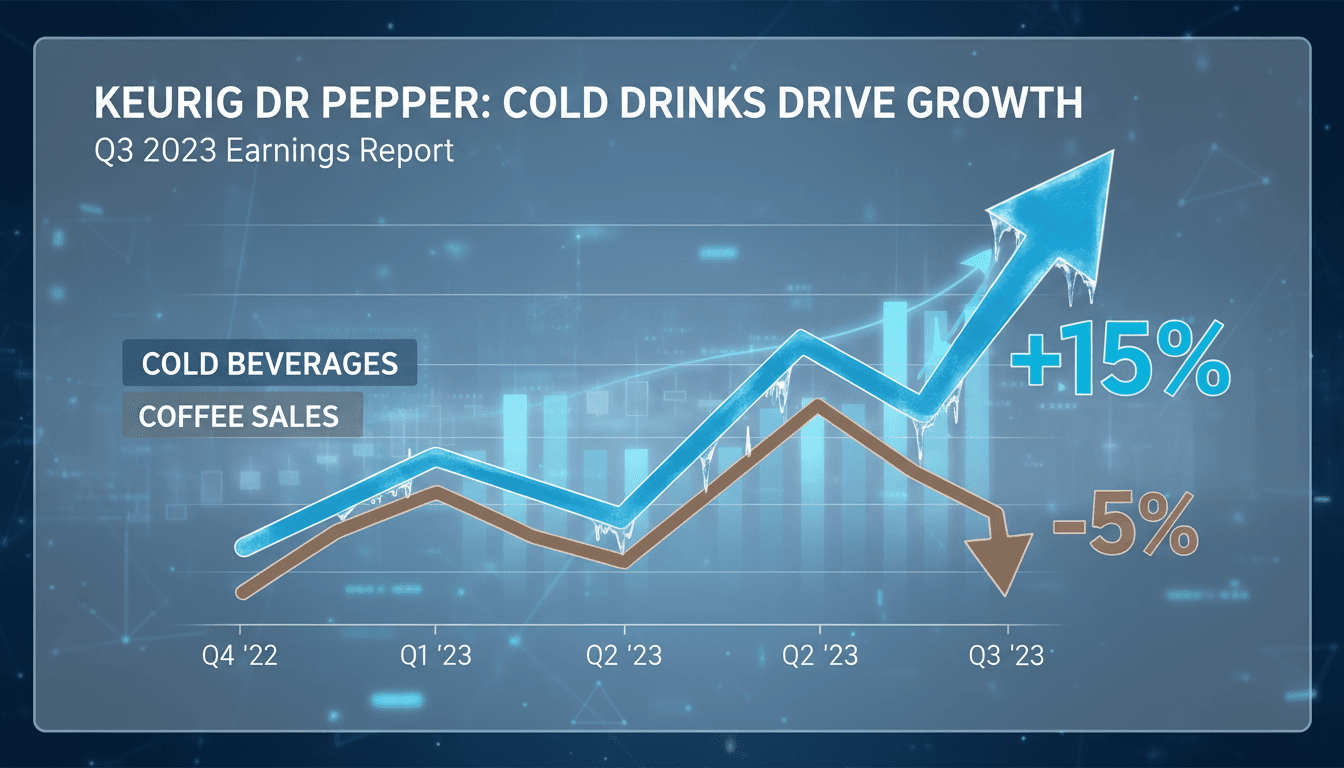
Keurig Dr Pepper's revenue and earnings surpassed estimates due to strong demand for cold drinks.
The Context
- Strong sales in cold beverages helped offset a decline in coffee sales.
- The company's performance was better than analysts' expectations.
- Profit margins were affected by rising costs.
Takeaway
Keurig Dr Pepper's focus on cold beverages may continue to drive growth in future quarters.
Insights by A47 Intelligence
U.S. business news, corporate developments, and economy.
"The Wall Street Journal is respected for deep financial and economic reporting with a center-right editorial perspective."
— A47 Editor
Keurig Dr Pepper First-Quarter Sales Rise on Growth in Cold Beverages
Keurig Dr Pepper reported a 9.4% increase in first-quarter sales, primarily driven by significant growth in U.S. beverage sales, including popular products like 7UP and K-Cup coffee pods.
Market-moving headlines impacting equities, bonds, and related risk assets.
"Real-time catalysts and volatility drivers across indices and sectors."
— A47 Editor
Keurig Dr Pepper beats estimates as strong beverage demand offsets coffee weakness
Keurig Dr Pepper reported earnings that exceeded estimates, driven by strong demand for its beverage products, which helped to offset weaknesses in its coffee segment. This performance highlights the company's ability to adapt to changing market cond...
Global markets, investing, and macroeconomics from a premier financial newsroom.
"Bloomberg is respected for in-depth financial reporting and data-driven analysis."
— A47 Editor
Keurig Dr Pepper Rises as Cold Drinks Drives Earnings Beat
Keurig Dr Pepper Inc. experienced a rise in its shares following a report indicating that revenue and earnings surpassed expectations, driven by robust sales of cold beverages and growth in international markets, despite a decline in coffee sales.