
Iran and Russia Coordinate on Regional Conflicts Amid Ongoing Middle East Tensions
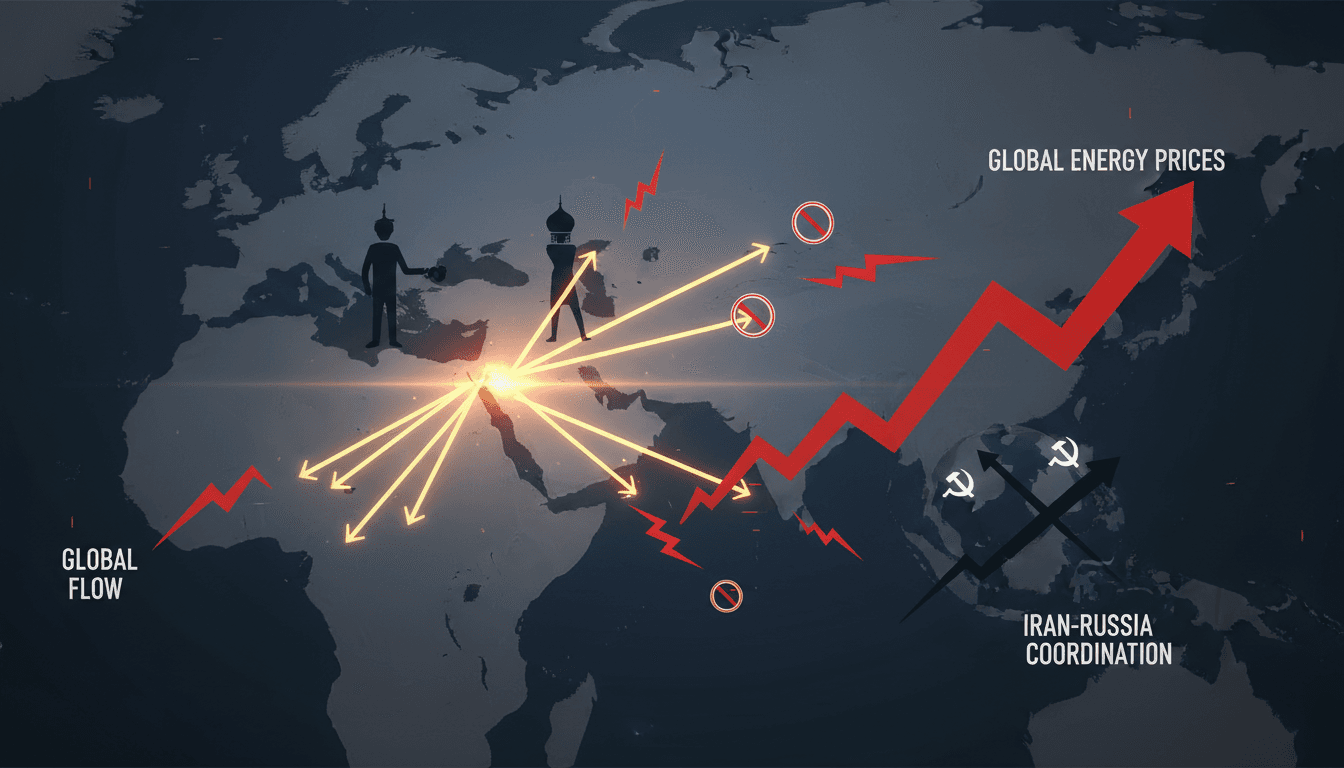
Here's what it means for you.
Rising geopolitical tensions could lead to increased energy costs and supply chain disruptions affecting global markets.
Why it matters
The ongoing coordination between Iran and Russia amidst the Middle East conflict signals potential shifts in regional power dynamics and energy supply stability.
What happened (in 30 seconds)
- Iranian Foreign Minister Abbas Araghchi met with Russian President Vladimir Putin in St. Petersburg to discuss regional conflicts and U.S.-Iran negotiations.
- Russia offered mediation services to facilitate stalled talks between Iran and the United States, emphasizing strategic ties.
- Brent crude prices rose over 2% following the meeting, reflecting market concerns over the ongoing conflict and its impact on oil supply.
The context you actually need
- The 2026 Iran war began on February 28, 2026, with U.S.-Israeli airstrikes, leading to a blockade of the Strait of Hormuz, disrupting 20% of global oil supplies.
- Iran's strategic partnership with Russia includes military and intelligence cooperation, particularly in countering Western influence in the region.
- Stalled U.S.-Iran negotiations have heightened tensions, with excessive demands from the U.S. complicating potential resolutions.
What's really happening
The recent meeting between Iranian Foreign Minister Abbas Araghchi and Russian President Vladimir Putin represents a significant moment in the evolving geopolitical landscape of the Middle East. As the 2026 Iran war continues to unfold, marked by U.S.-Israeli airstrikes and Iran's subsequent blockade of the Strait of Hormuz, the stakes have never been higher. This blockade has disrupted approximately 20% of global oil supplies, prompting urgent international mediation efforts.
During the discussions in St. Petersburg, Araghchi and Putin focused on coordinating their positions regarding the ongoing conflict and the stalled negotiations with the United States. Putin's offer of mediation highlights Russia's ambition to position itself as a key player in Middle Eastern diplomacy, particularly as U.S. influence wanes in the region. The Kremlin's support for Iran's "heroic" resistance against perceived Western dominance underscores a shared strategic interest that could reshape regional alliances.
The backdrop of these talks is critical. The 2026 Iran war has not only escalated military tensions but has also created a complex web of economic implications. The blockade of the Strait of Hormuz has led to rising oil prices, with Brent crude surpassing $108 per barrel, reflecting market anxiety over supply disruptions. This situation is exacerbated by the stalled U.S.-Iran negotiations, which have been hindered by disagreements over nuclear issues and access to the Strait.
As Iran and Russia deepen their ties, the implications for global markets are profound. The potential for increased Iranian leverage over oil supplies could lead to further price volatility, impacting economies worldwide. Additionally, the involvement of Russia as a mediator could alter the dynamics of U.S.-Iran relations, potentially leading to new negotiations or further escalation.
In summary, the meeting between Araghchi and Putin is not just a diplomatic formality; it is a strategic maneuver that could have far-reaching consequences for energy markets and geopolitical stability in the region.
Who feels it first (and how)
- Energy sector professionals: Increased oil prices directly affect profitability and operational costs.
- Global supply chain managers: Disruptions in oil supply can lead to increased transportation costs and delays.
- Consumers: Rising energy costs may translate to higher prices for goods and services.
- Investors in emerging markets: Heightened geopolitical risks can lead to market volatility and investment uncertainty.
What to watch next
- U.S.-Iran negotiations: Monitor any developments in indirect talks, as breakthroughs or further stalemates will impact market stability.
- Oil price fluctuations: Keep an eye on Brent crude prices, as they will reflect ongoing tensions and supply chain disruptions.
- Regional military developments: Watch for any escalations in military actions or alliances that could further destabilize the region.
The Strait of Hormuz is critical for global oil supply, with 20% of it transiting daily.
Continued volatility in oil prices as geopolitical tensions persist.
The long-term effectiveness of Russia's mediation efforts in U.S.-Iran negotiations.
This article was generated by AI from 7 verified sources and reviewed by A47 editorial systems.
Arabic-language coverage of Saudi, regional, and international affairs.
"Al Bilad offers mainstream Saudi newspaper coverage across domestic and broader Arab topics."
— A47 Editor
مباحثات إيرانية – روسية لتنسيق المواقف
Russian President Vladimir Putin met with Iranian Foreign Minister Abbas Araghchi in Saint Petersburg, a meeting described by the Kremlin as highly significant amid rapid developments in the Middle East and the implications of recent regional conflic...
Arabic-language coverage of international news and geopolitics.
"RT Arabic is a Russian state-funded outlet often criticized for promoting Kremlin-aligned narratives."
— A47 Editor
بوتين: نعمل لإحلال السلام بالشرق الأوسط
Russian President Vladimir Putin stated during a meeting with Iranian Foreign Minister Abbas Araghchi in St. Petersburg that Russia will do everything possible to achieve peace in the Middle East as soon as possible.
Arabic-language political and world news coverage for UAE readers.
"Emarat Al Youm world coverage usually presents international developments through a UAE and Arab audience lens."
— A47 Editor
بوتين يؤكد لعراقجي تكثيف الجهود للمساعدة في إحلال السلام بالشرق الأوسط بوتين يؤكد لعراقجي تكثيف الجهود للمساعدة في إحلال السلام بالشرق الأوسط
Russian President Vladimir Putin informed Iranian Foreign Minister Abbas Araqchi that Moscow will intensify efforts to assist in establishing peace in the Middle East. This statement reflects Russia's commitment to playing a proactive role in regiona...
Pan-Arab news coverage spanning politics, business, sports, and regional affairs.
"Asharq Al-Awsat reflects a broad Arab editorial perspective with strong attention to regional geopolitics."
— A47 Editor
عراقجي: النهج الأميركي تسبب في تأخير مفاوضات باكستان
Iranian Foreign Minister Abbas Araghchi stated that the American approach has caused delays in the negotiations that were scheduled to take place in Pakistan. This remark highlights the ongoing tensions between Iran and the United States, particularl...
Pan-Arab political news and analysis.
"Al-Quds Al-Arabi is a London-based Arabic newspaper known for political coverage."
— A47 Editor
عراقجي يغادر إسلام أباد متوجها إلى روسيا للقاء بوتين
Iranian Foreign Minister Abbas Araqchi has departed from Islamabad to Russia for a meeting with President Vladimir Putin in Saint Petersburg, where discussions will focus on the ongoing conflict involving Iran, the United States, and Israel, as state...
Arabic-language coverage of international news and geopolitics.
"RT Arabic is a Russian state-funded outlet often criticized for promoting Kremlin-aligned narratives."
— A47 Editor
الكرملين: بوتين سيلتقي وزير الخارجية الإيراني
Dmitry Peskov, the spokesperson for the Kremlin, announced that Russian President Vladimir Putin will meet with Iranian Foreign Minister Abbas Araghchi tomorrow. This meeting highlights ongoing diplomatic engagements between Russia and Iran, reflecti...
Jordanian news and regional updates.
"Roya News is a Jordanian outlet focused on breaking news and local affairs."
— A47 Editor
الكرملين: بوتين سيلتقي عراقجي الأثنين خلال زيارته لموسكو
The Kremlin announced that President Vladimir Putin will meet with Iranian Deputy Foreign Minister Abbas Araghchi on Monday during his visit to Moscow. This meeting is part of ongoing diplomatic engagements between Russia and Iran, particularly in li...