
Sanctions
Latest news, analysis, and updates on Sanctions from A47 News.
17 stories in Economy · Updated live

Iran Implements Cryptocurrency Tolls for Oil Tankers in Strait of Hormuz Following Ceasefire
Iran has announced the imposition of tolls payable in cryptocurrencies for oil tankers transiting the Strait of Hormuz, a key global oil chokepoint. This policy, which has been informally enforced since mid-March amid a U.S.-Iran conflict and subsequent ceasefire, aims to generate revenue while circumventing U.S. sanctions. The long-term implication may see Iran leveraging its control over oil transit routes to further integrate cryptocurrency into its economy and evade international financial restrictions.
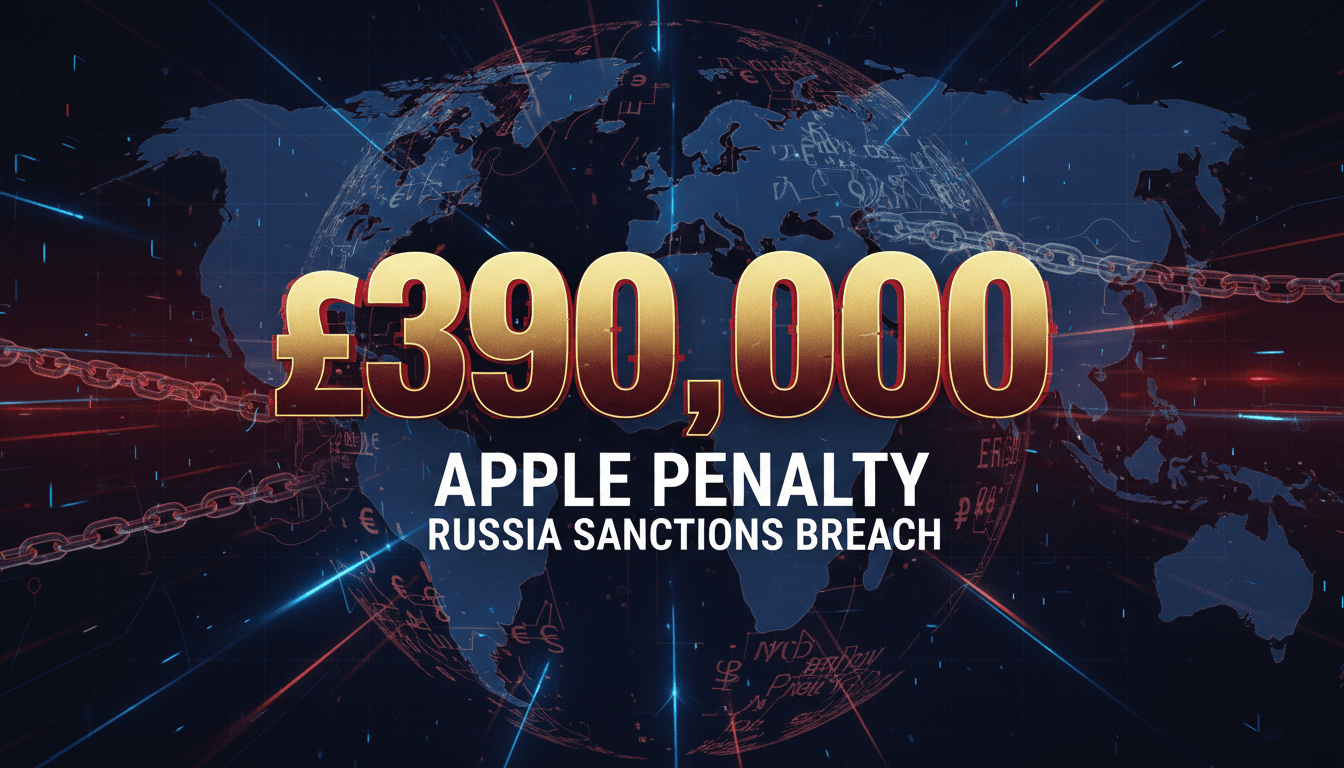
UK imposes £390,000 penalty on Apple for breaching Russia sanctions
The Office of Financial Sanctions Implementation (OFSI) has imposed a £390,000 monetary penalty on Apple Distribution International for breaching UK financial sanctions related to payments to a Russian streaming service. This penalty follows voluntary self-disclosure by Apple and is the first case under new enforcement arrangements established in February 2026. The incident highlights ongoing compliance risks for multinational corporations operating under stringent sanctions regimes and may prompt further scrutiny of financial transactions involving sanctioned entities.
US Temporarily Lifts Sanctions on Iranian Oil Cargoes to Address Rising Gas Prices
The U.S. Treasury Department has paused sanctions on Iranian oil loaded onto vessels as of March 20, 2026, allowing sales to most countries until April 19. This decision comes in response to soaring U.S. gasoline prices amid an escalating conflict with Iran and disruptions in the Strait of Hormuz. Long-term, this move may signal a shift in U.S. energy policy and its approach to Iranian relations as the midterm elections approach.

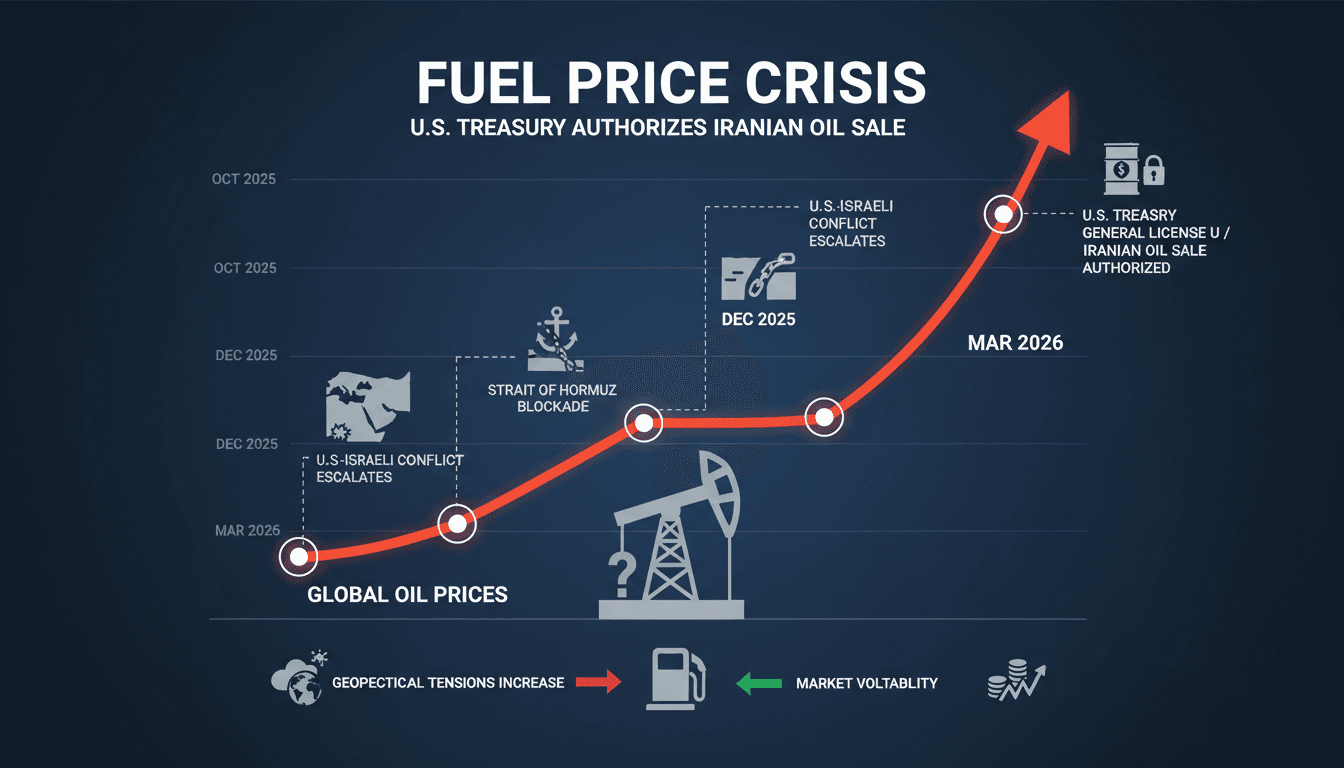
U.S. Treasury Authorizes Sale of Stranded Iranian Oil Amid Fuel Price Crisis
On March 20, 2026, the U.S. Department of the Treasury issued General License U allowing the sale of approximately 140 million barrels of stranded Iranian oil to address rising global fuel prices. This decision comes in response to significant supply disruptions caused by the U.S.-Israeli conflict with Iran and the blockade of the Strait of Hormuz. The long-term implication may involve increased geopolitical tensions and further market volatility as Iran disputes the U.S. estimates of stranded oil volumes.
Latest Stories
Iran Implements Cryptocurrency Tolls for Oil Tankers in Strait of Hormuz Following Ceasefire
Iran has announced the imposition of tolls payable in cryptocurrencies for oil tankers transiting the Strait of Hormuz, a key global oil chokepoint. This policy, which has been informally enforced since mid-March amid a U.S.-Iran conflict and subsequent ceasefire, aims to generate revenue while circumventing U.S. sanctions. The long-term implication may see Iran leveraging its control over oil transit routes to further integrate cryptocurrency into its economy and evade international financial restrictions.
UK imposes £390,000 penalty on Apple for breaching Russia sanctions
The Office of Financial Sanctions Implementation (OFSI) has imposed a £390,000 monetary penalty on Apple Distribution International for breaching UK financial sanctions related to payments to a Russian streaming service. This penalty follows voluntary self-disclosure by Apple and is the first case under new enforcement arrangements established in February 2026. The incident highlights ongoing compliance risks for multinational corporations operating under stringent sanctions regimes and may prompt further scrutiny of financial transactions involving sanctioned entities.
US Temporarily Lifts Sanctions on Iranian Oil Cargoes to Address Rising Gas Prices
The U.S. Treasury Department has paused sanctions on Iranian oil loaded onto vessels as of March 20, 2026, allowing sales to most countries until April 19. This decision comes in response to soaring U.S. gasoline prices amid an escalating conflict with Iran and disruptions in the Strait of Hormuz. Long-term, this move may signal a shift in U.S. energy policy and its approach to Iranian relations as the midterm elections approach.
U.S. Treasury Authorizes Sale of Stranded Iranian Oil Amid Fuel Price Crisis
On March 20, 2026, the U.S. Department of the Treasury issued General License U allowing the sale of approximately 140 million barrels of stranded Iranian oil to address rising global fuel prices. This decision comes in response to significant supply disruptions caused by the U.S.-Israeli conflict with Iran and the blockade of the Strait of Hormuz. The long-term implication may involve increased geopolitical tensions and further market volatility as Iran disputes the U.S. estimates of stranded oil volumes.