
Inflation
Latest news, analysis, and updates on Inflation from A47 News.
8 stories in Economy · Updated live

U.S. Consumer Price Index Rises to 3.3% Amid Iran War Energy Crisis
The U.S. Consumer Price Index surged to 3.3% year-over-year in March 2026, driven by a significant 10.9% increase in the energy index due to the ongoing Iran War. This spike in inflation is occurring as oil supply disruptions follow U.S. and Israeli military actions against Iran that began on February 28, 2026. Long-term, this inflationary pressure may lead to delayed interest rate cuts by the Federal Reserve and increased economic instability in the region and beyond.
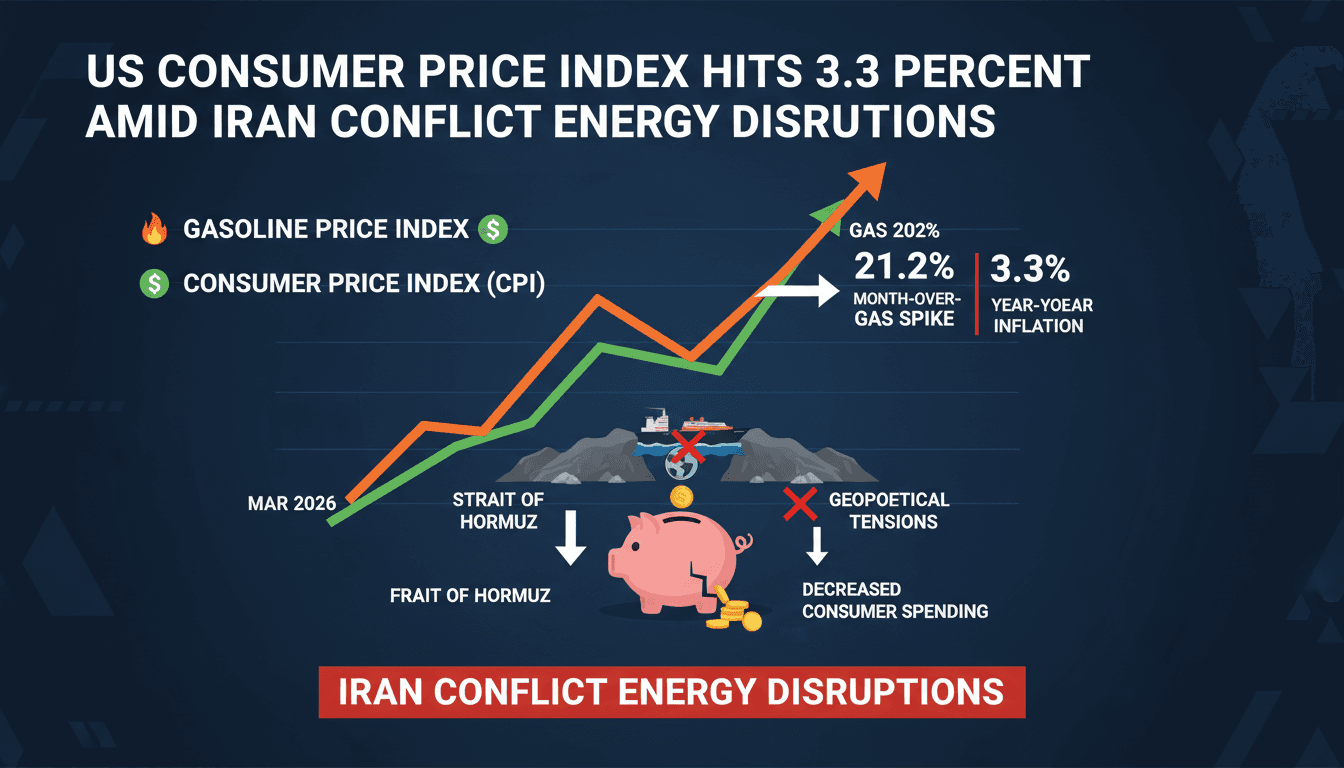
US Consumer Price Index Hits 3.3 Percent Amid Iran Conflict Energy Disruptions
The United States inflation rate rose to 3.3 percent year-over-year in March 2026, driven by a significant 21.2 percent month-over-month increase in gasoline prices due to disruptions in the Strait of Hormuz from the ongoing US-Israel-Iran conflict. This inflation spike follows airstrikes initiated by the US and Israel on February 28, 2026, which prompted Iran's blockade of the Strait, affecting global oil transit. The long-term implication suggests continued economic pressure on the Biden administration as it navigates midterm elections and seeks to stabilize inflation amidst geopolitical tensions.
IMF Downgrades Global Growth Forecast Amid Ongoing Iran War
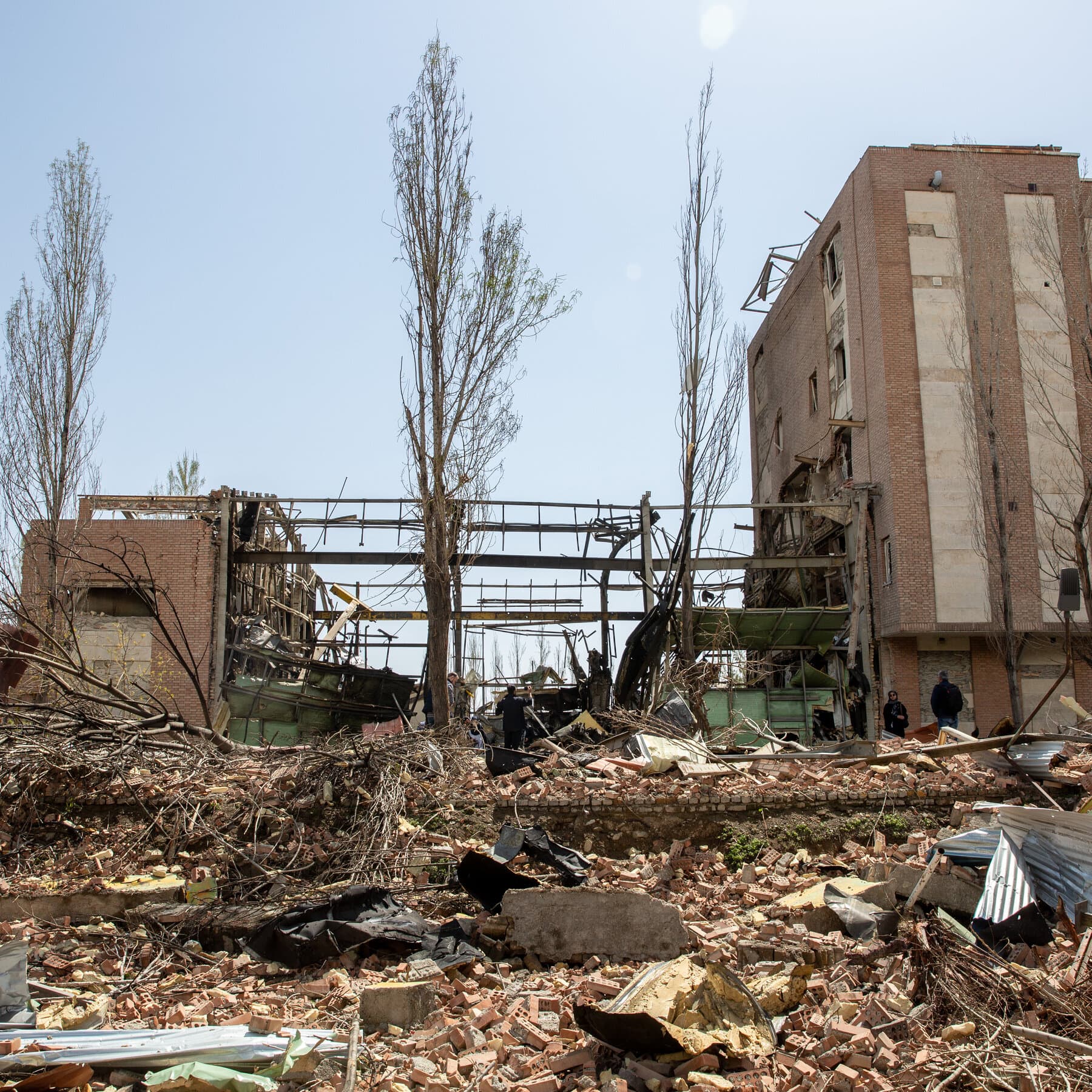
On April 9, 2026, the International Monetary Fund announced a downgrade in global economic growth projections due to the ongoing war in Iran. This shift is triggered by significant disruptions in energy supply chains and soaring oil prices exceeding $100 per barrel, exacerbated by the conflict's impact on Iranian infrastructure. The long-term implication suggests that global economies may face persistent inflationary pressures and increased lending demands as they navigate the economic fallout from the war.
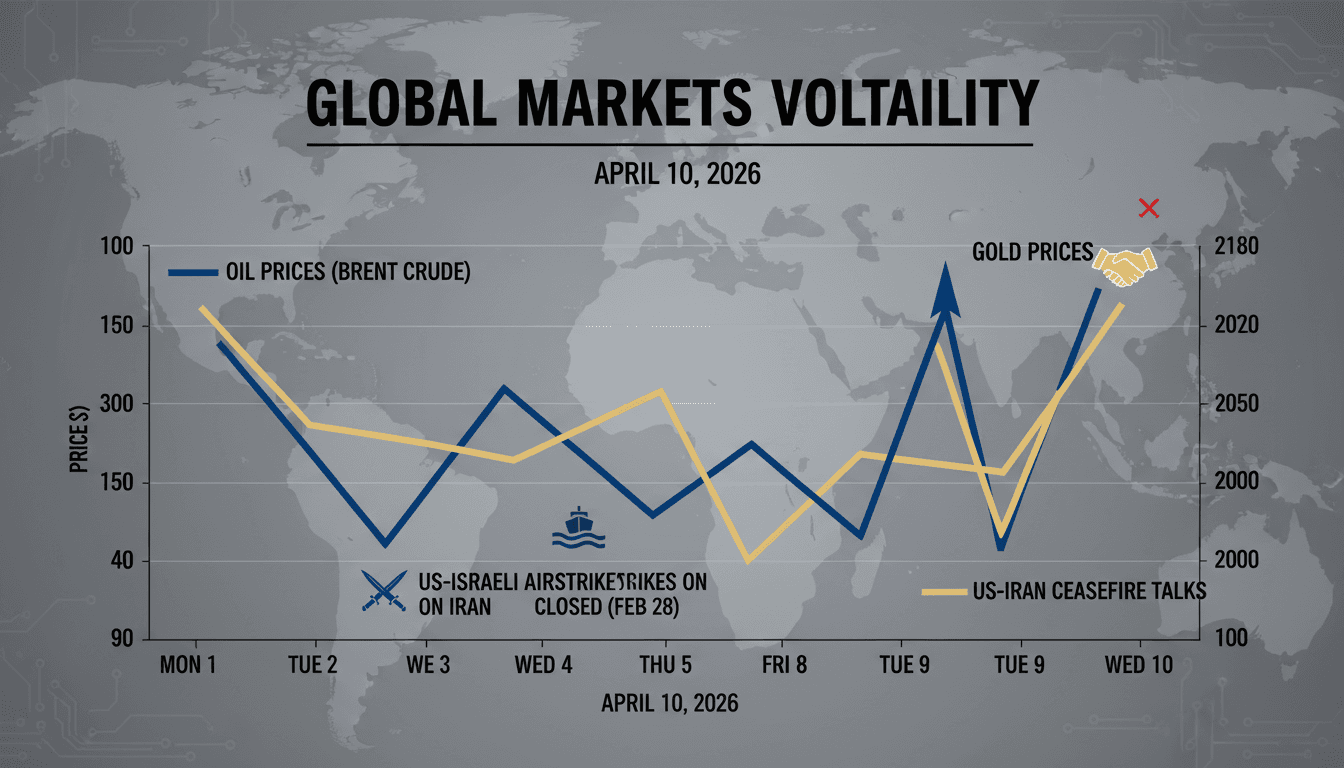
Oil Prices Rise Amid US-Iran Ceasefire and Strait of Hormuz Tensions
Oil prices increased as Brent crude futures rose 0.87% to $96.75 per barrel on April 10, 2026, despite a significant weekly decline. This shift is driven by ongoing tensions following US-Israeli airstrikes on Iran and the closure of the Strait of Hormuz, which has been in effect since February 28. The long-term implication suggests that continued volatility in oil prices may persist as markets react to geopolitical developments and upcoming US economic data.
Latest Stories
U.S. Fuel Prices Surge Amid Ongoing Iran War and Supply Disruptions
U.S. gasoline prices have surged to $4.16 per gallon due to the ongoing Iran War, which began on February 28, 2026. This spike is triggered by severe disruptions in oil supply following the blockade of the Strait of Hormuz and damage to refining capacity. Long-term implications include potential economic downturns and inflationary pressures as global growth is forecasted to decline by 0.3-0.4 percentage points.
U.S. Consumer Price Index Rises to 3.3% Amid Iran War Energy Crisis
The U.S. Consumer Price Index surged to 3.3% year-over-year in March 2026, driven by a significant 10.9% increase in the energy index due to the ongoing Iran War. This spike in inflation is occurring as oil supply disruptions follow U.S. and Israeli military actions against Iran that began on February 28, 2026. Long-term, this inflationary pressure may lead to delayed interest rate cuts by the Federal Reserve and increased economic instability in the region and beyond.
U.S. Gasoline Prices Surge 25% Amid Ongoing U.S.-Israeli Conflict with Iran
U.S. regular gasoline prices experienced a record 25% increase from February to March 2026, reaching an average of $3.64 per gallon. This surge is driven by a nearly 50% rise in crude oil prices due to the ongoing U.S.-Israeli military engagement with Iran, which threatens oil transit through the critical Strait of Hormuz. The long-term implication is a potential exacerbation of inflation pressures in the U.S. economy, prompting the Federal Reserve to maintain high interest rates amidst rising consumer costs.
Bitcoin Surges Past $72,000 Following US-Iran Ceasefire and Israel-Lebanon Talks
On April 10, 2026, Bitcoin's price surged above $72,000, reaching a peak of $72,226 amid easing geopolitical tensions. This rally was triggered by a two-week ceasefire between the US and Iran announced by President Trump, coupled with Israel's agreement to engage in direct talks with Lebanon. The long-term implication suggests that if geopolitical stability continues, Bitcoin and other risk assets may experience sustained growth despite potential inflationary pressures from upcoming economic data.