
Diplomacy
Latest news, analysis, and updates on Diplomacy from A47 News.
23 stories in Politics · Updated live
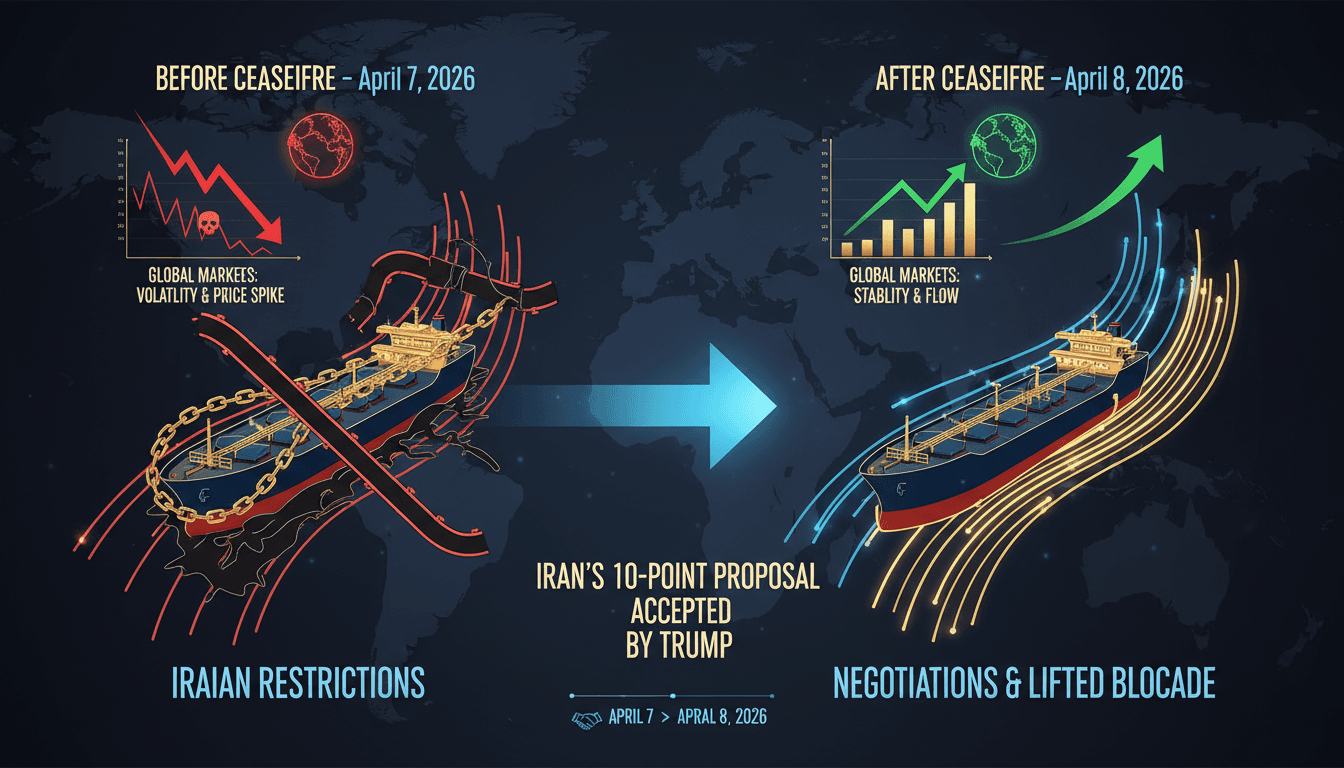
Iran's 10-Point Ceasefire Proposal Accepted by Trump as Basis for Negotiations
On April 8, 2026, Iran presented a modified 10-point peace proposal that U.S. President Donald Trump deemed a 'workable basis' for negotiations. This development follows a ceasefire announcement tied to Iranian restrictions on the Strait of Hormuz, which were lifted after a deadline set by Trump. The long-term implication suggests a potential shift in U.S.-Iran relations, with ongoing talks in Islamabad aimed at regional de-escalation and stability.
Keir Starmer Highlights Challenges in US-Iran Ceasefire and Strait of Hormuz Reopening
UK Prime Minister Keir Starmer has emphasized the extensive efforts required to solidify the US-Iran ceasefire and fully reopen the Strait of Hormuz following a two-week conditional truce. This statement comes in the wake of a recent war triggered by concerns over Iran's nuclear program, which has severely impacted regional stability and global energy shipments. The long-term implication suggests ongoing diplomatic negotiations will be essential to ensure lasting peace and security in the Gulf region, particularly for energy transit routes.
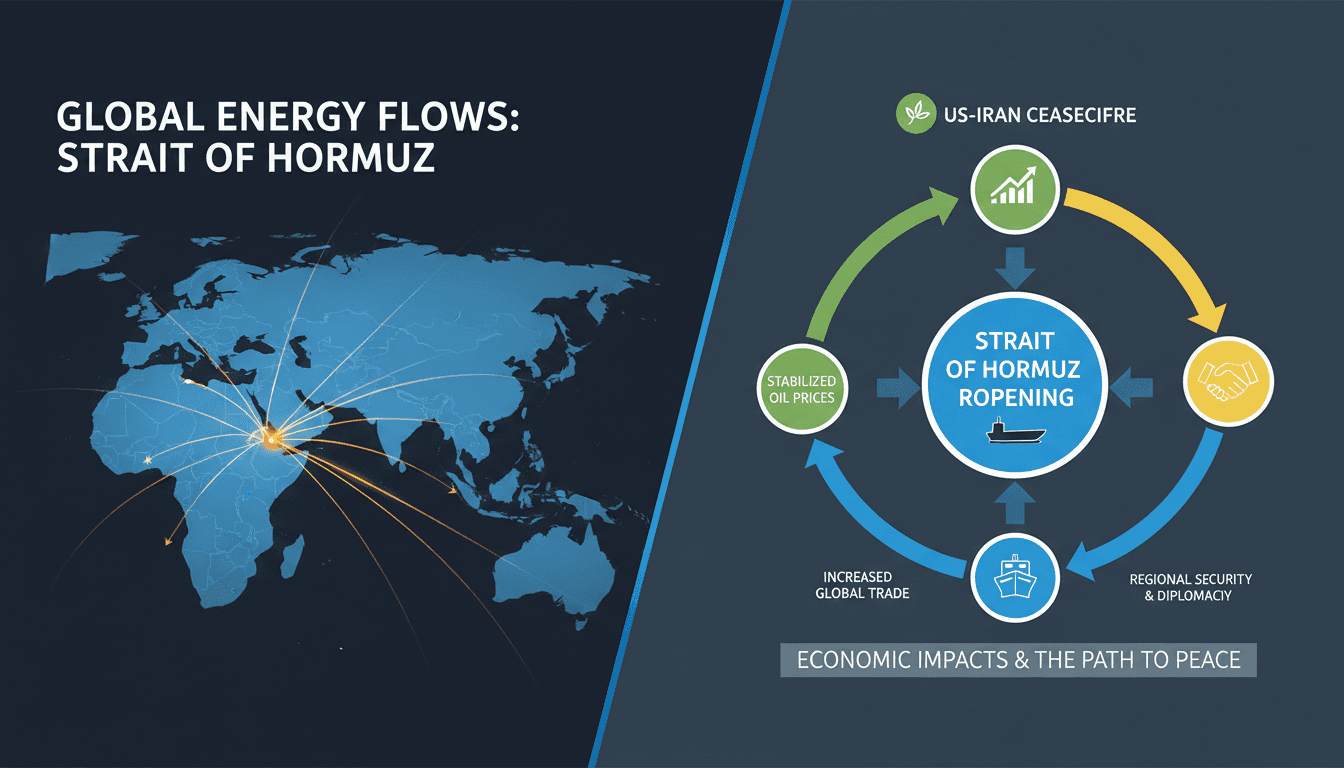
Trump Announces Continued U.S. Military Presence Around Iran Amid Ceasefire Negotiations
On April 9, 2026, President Donald Trump declared that U.S. military forces would remain deployed around Iran until the country fully complies with a ceasefire agreement. This announcement comes in response to escalating tensions in the region, particularly following Israeli strikes in Lebanon and threats to the Strait of Hormuz. The long-term implication is a potential intensification of U.S.-Iran hostilities and ongoing geopolitical instability in the Persian Gulf region.

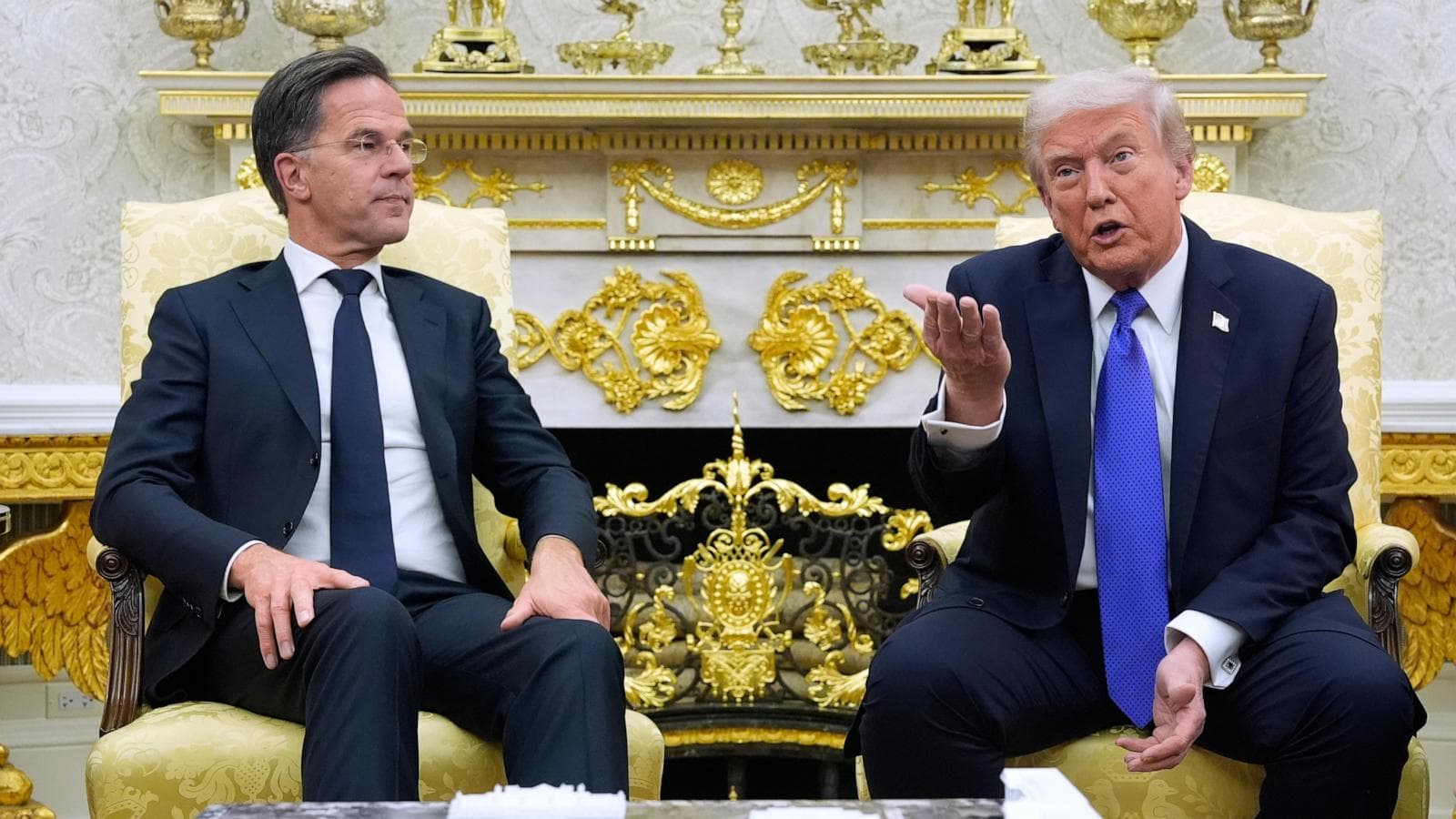
Trump Meets NATO Chief Amid Tensions Over Iran War Support
U.S. President Donald Trump met NATO Secretary-General Mark Rutte to discuss the possibility of U.S. withdrawal from NATO following frustrations over allied support during the Iran war. This meeting comes after a ceasefire agreement was reached with Iran, which included reopening the crucial Strait of Hormuz, highlighting the strained relations between the U.S. and NATO allies. The long-term implication may involve a reevaluation of NATO's role and commitments, particularly in U.S. military operations abroad.
Latest Stories
Saudi and Iranian Foreign Ministers Hold First Official Phone Call Since Iran War Began
Saudi Foreign Minister Prince Faisal bin Farhan and Iranian Foreign Minister Abbas Araghchi conducted their first official phone conversation since the onset of the 2026 Iran war. This dialogue comes in the wake of a fragile US-Iran ceasefire and ongoing regional tensions, prompting discussions on reducing hostilities. The long-term implication may lead to a potential thaw in relations and further diplomatic engagements in the region.
Saudi and Iranian Foreign Ministers Discuss Regional Tensions Amid Ongoing Conflict
On April 9, 2026, Saudi Foreign Minister Prince Faisal bin Farhan bin Abdullah received a call from Iranian Foreign Minister Abbas Araghchi to discuss escalating regional tensions. This diplomatic engagement follows a recent ceasefire between the US and Iran and ongoing military actions in the region, prompting both nations to seek pathways for de-escalation. The long-term implication may involve a shift towards more sustained diplomatic efforts to stabilize relations and security in the Middle East.
U.S. Vice President JD Vance to Lead Negotiations with Iran Following Ceasefire Dispute
On April 9, 2026, U.S. Vice President JD Vance was assigned to lead direct negotiations with Iran in Islamabad amid claims from Tehran that a ceasefire has been violated. The immediate trigger for these talks is Iran's accusation that ongoing Israeli airstrikes in Lebanon constitute a breach of the recently brokered truce. Long-term, this situation may escalate tensions in the region and impact global oil markets, particularly through the Strait of Hormuz.
UAE Diplomatic Advisor Anwar Gargash Signals Shift in Stance Against Iranian Aggression
On April 9, 2026, UAE Diplomatic Advisor Anwar Gargash announced the end of diplomatic pleasantries in response to ongoing Iranian aggression against Gulf Cooperation Council countries. This declaration follows a recent US-Iran ceasefire and a series of missile and drone attacks from Iran, prompting the UAE to adopt a firmer collective stance. The long-term implication suggests a potential escalation in regional tensions and a reevaluation of diplomatic strategies among GCC nations.