
Climate & Environment
Latest news, analysis, and updates on Climate & Environment from A47 News.
44 stories in World · Updated live
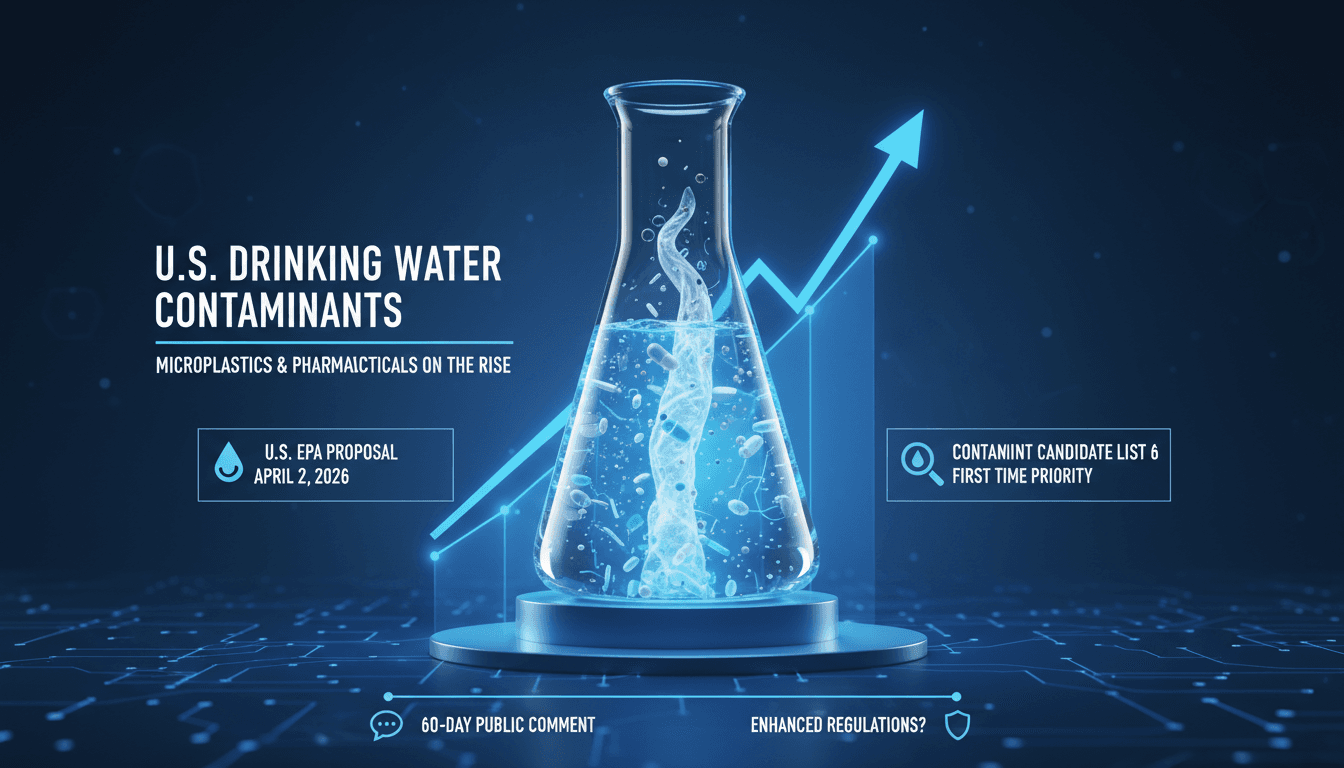
U.S. EPA Proposes Microplastics and Pharmaceuticals for Contaminant Candidate List 6
On April 2, 2026, the U.S. Environmental Protection Agency (EPA) released a draft of its sixth Contaminant Candidate List, marking the first time microplastics and pharmaceuticals are prioritized as contaminants in drinking water. This proposal is a response to increasing public health concerns and advocacy from the Make America Healthy Again movement, prompting a 60-day public comment period. The long-term implication may lead to enhanced regulatory standards and monitoring under the Safe Drinking Water Act, despite historical challenges in enforcing such regulations.
EPA Proposes Microplastics and Pharmaceuticals for Drinking Water Contaminant List
On April 3, 2026, the U.S. Environmental Protection Agency proposed including microplastics and pharmaceuticals on its Contaminant Candidate List for drinking water. This decision is driven by increasing public concern over the presence of these pollutants in water supplies, particularly highlighted by Health Secretary Robert F. Kennedy Jr.'s advocacy. The long-term implication may lead to stricter regulations under the Safe Drinking Water Act, impacting water safety standards nationwide.
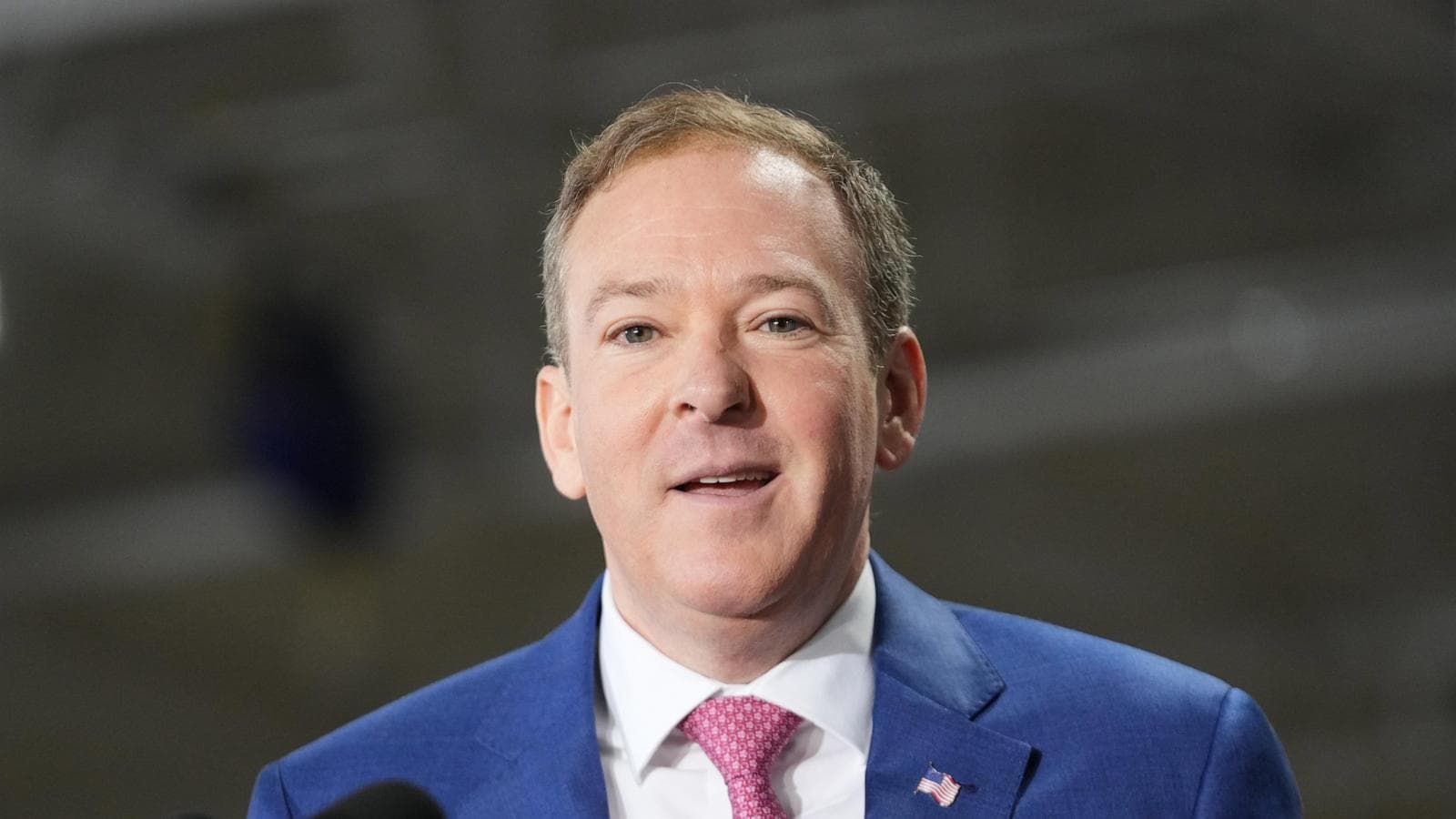
EPA Drafts Sixth Contaminant Candidate List Prioritizing Microplastics for Drinking Water Regulation
On April 2, 2026, the U.S. Environmental Protection Agency published its draft Sixth Contaminant Candidate List, highlighting microplastics as a priority for future regulation in drinking water. This initiative is driven by growing public concern and scientific evidence regarding the health risks posed by microplastics, prompting a $144 million research program to assess exposure and mitigation strategies. The long-term implication is a potential shift in regulatory frameworks for drinking water safety, impacting public health policies and environmental standards in the U.S.
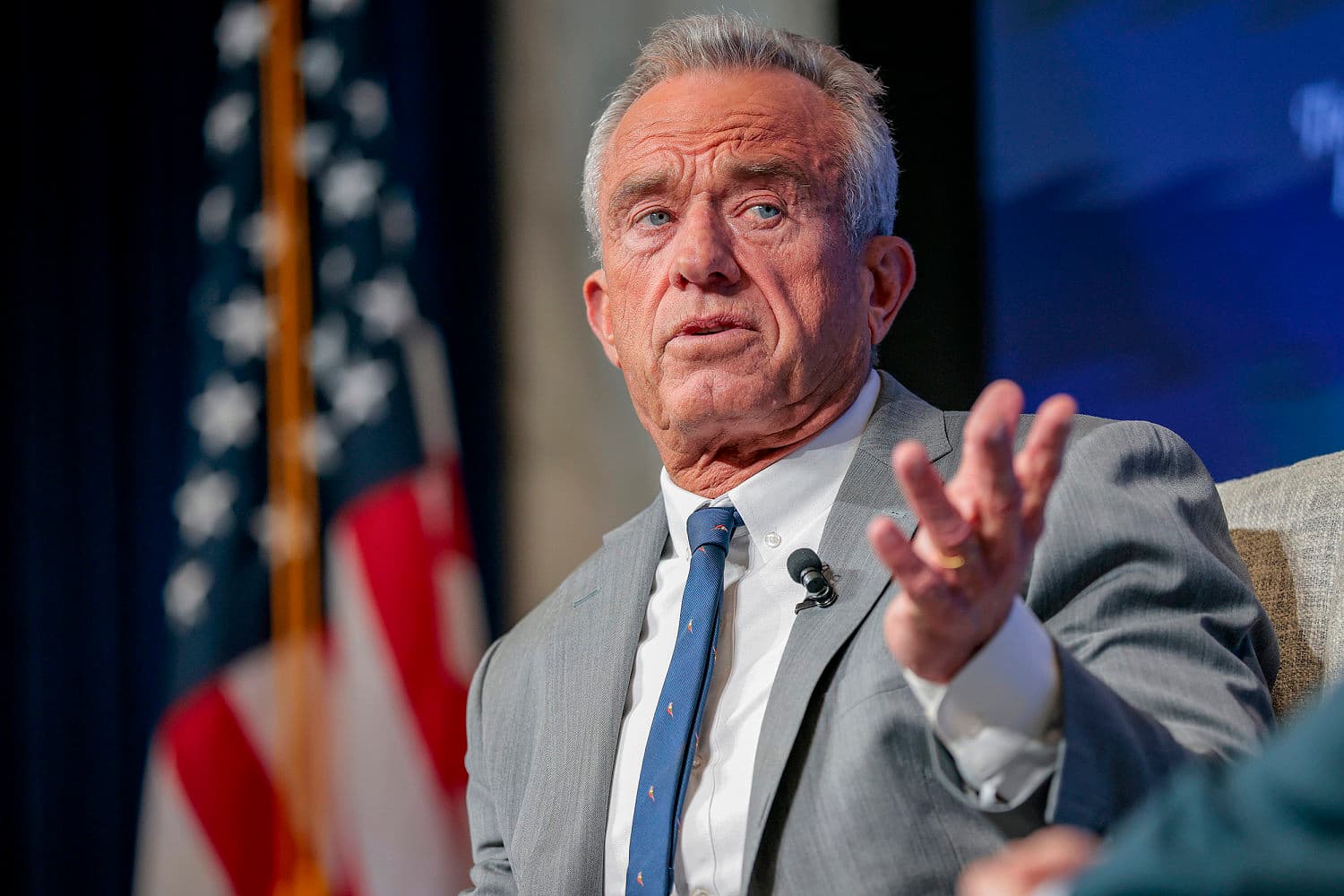
EPA Drafts Sixth Contaminant Candidate List Including Microplastics for Drinking Water Regulation
On April 2, 2026, the U.S. Environmental Protection Agency published a draft of the Sixth Drinking Water Contaminant Candidate List, marking the first inclusion of microplastics among contaminants for potential regulation. This action follows public concern over microplastic contamination in drinking water and is supported by a $144 million initiative from HHS to assess exposure and develop removal technologies. The long-term implication is a shift towards stricter regulations and monitoring of water quality, potentially influencing public health policies and environmental standards.
Latest Stories
U.S. EPA Proposes Microplastics and Pharmaceuticals for Contaminant Candidate List 6
On April 2, 2026, the U.S. Environmental Protection Agency (EPA) released a draft of its sixth Contaminant Candidate List, marking the first time microplastics and pharmaceuticals are prioritized as contaminants in drinking water. This proposal is a response to increasing public health concerns and advocacy from the Make America Healthy Again movement, prompting a 60-day public comment period. The long-term implication may lead to enhanced regulatory standards and monitoring under the Safe Drinking Water Act, despite historical challenges in enforcing such regulations.
EPA Proposes Microplastics and Pharmaceuticals for Drinking Water Contaminant List
On April 3, 2026, the U.S. Environmental Protection Agency proposed including microplastics and pharmaceuticals on its Contaminant Candidate List for drinking water. This decision is driven by increasing public concern over the presence of these pollutants in water supplies, particularly highlighted by Health Secretary Robert F. Kennedy Jr.'s advocacy. The long-term implication may lead to stricter regulations under the Safe Drinking Water Act, impacting water safety standards nationwide.
EPA Drafts Sixth Contaminant Candidate List Including Microplastics for Drinking Water Regulation
On April 2, 2026, the U.S. Environmental Protection Agency published a draft of the Sixth Drinking Water Contaminant Candidate List, marking the first inclusion of microplastics among contaminants for potential regulation. This action follows public concern over microplastic contamination in drinking water and is supported by a $144 million initiative from HHS to assess exposure and develop removal technologies. The long-term implication is a shift towards stricter regulations and monitoring of water quality, potentially influencing public health policies and environmental standards.
EPA Drafts Sixth Contaminant Candidate List Prioritizing Microplastics for Drinking Water Regulation
On April 2, 2026, the U.S. Environmental Protection Agency published its draft Sixth Contaminant Candidate List, highlighting microplastics as a priority for future regulation in drinking water. This initiative is driven by growing public concern and scientific evidence regarding the health risks posed by microplastics, prompting a $144 million research program to assess exposure and mitigation strategies. The long-term implication is a potential shift in regulatory frameworks for drinking water safety, impacting public health policies and environmental standards in the U.S.