
Conflict & Security
Latest news, analysis, and updates on Conflict & Security from A47 News.
45 stories in World · Updated live

U.S. and Iran Agree to Two-Week Ceasefire Amidst Ongoing Conflict
On April 8, 2026, U.S. President Donald Trump announced a two-week ceasefire agreement with Iran, leading to a significant drop in crude oil prices and a surge in global stock markets. This ceasefire was triggered by the need to reopen the strategically vital Strait of Hormuz after a month of conflict that severely disrupted energy supplies. The long-term implication may involve heightened tensions as Iran's parliament speaker accused the U.S. of violating the truce, potentially destabilizing the fragile peace and impacting global markets further.
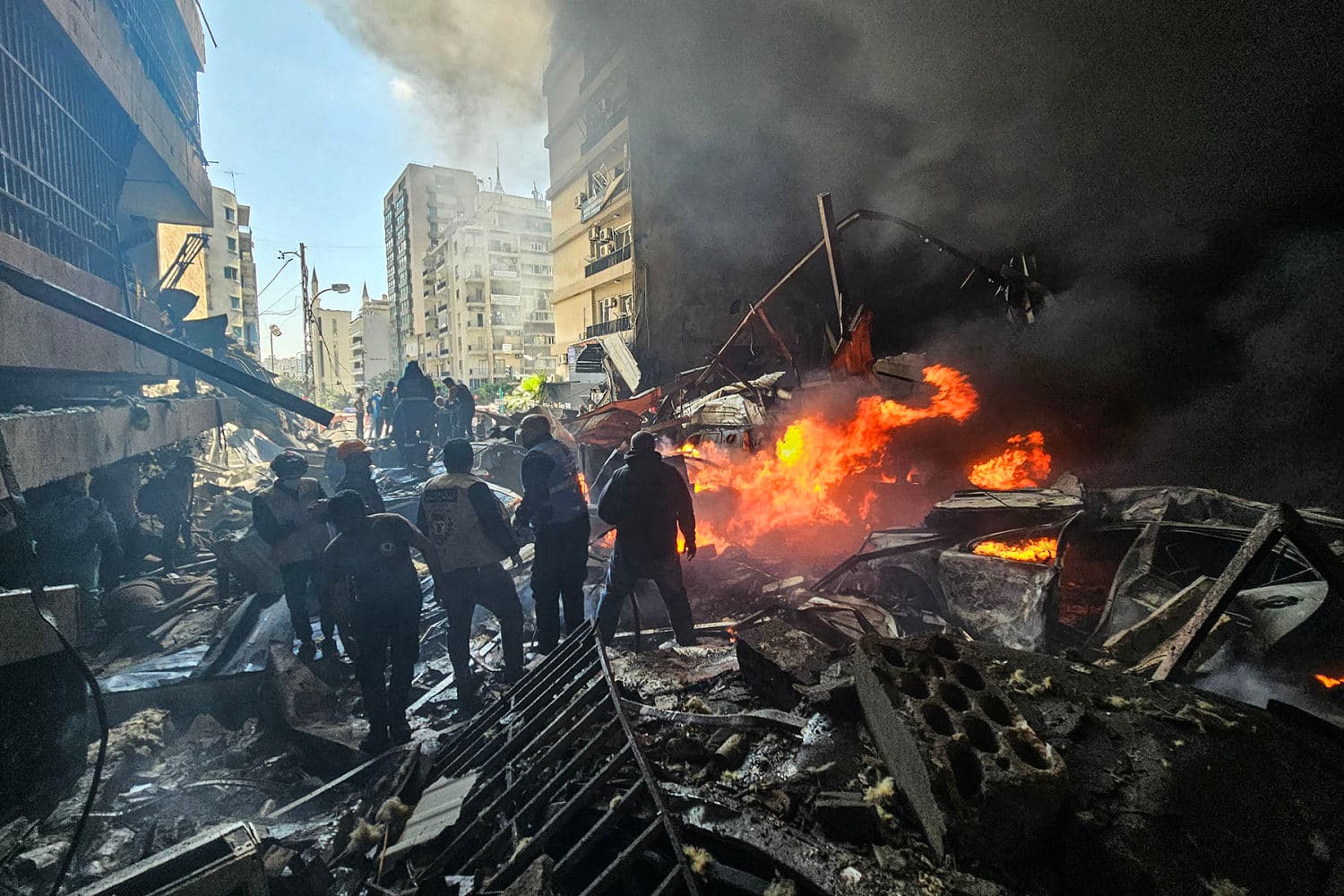
Israel Launches Extensive Airstrikes on Hezbollah Targets in Lebanon Following US-Iran Ceasefire
On April 8, 2026, Israel executed its largest airstrikes on Hezbollah positions in Lebanon, targeting over 100 sites and resulting in more than 250 casualties. This military action was triggered by the immediate aftermath of a US-brokered ceasefire with Iran, which Israeli officials claimed did not include Lebanon due to Hezbollah's involvement. The long-term implication is a potential escalation of conflict in the region, with Israel signaling intentions to expand its military operations against Hezbollah.
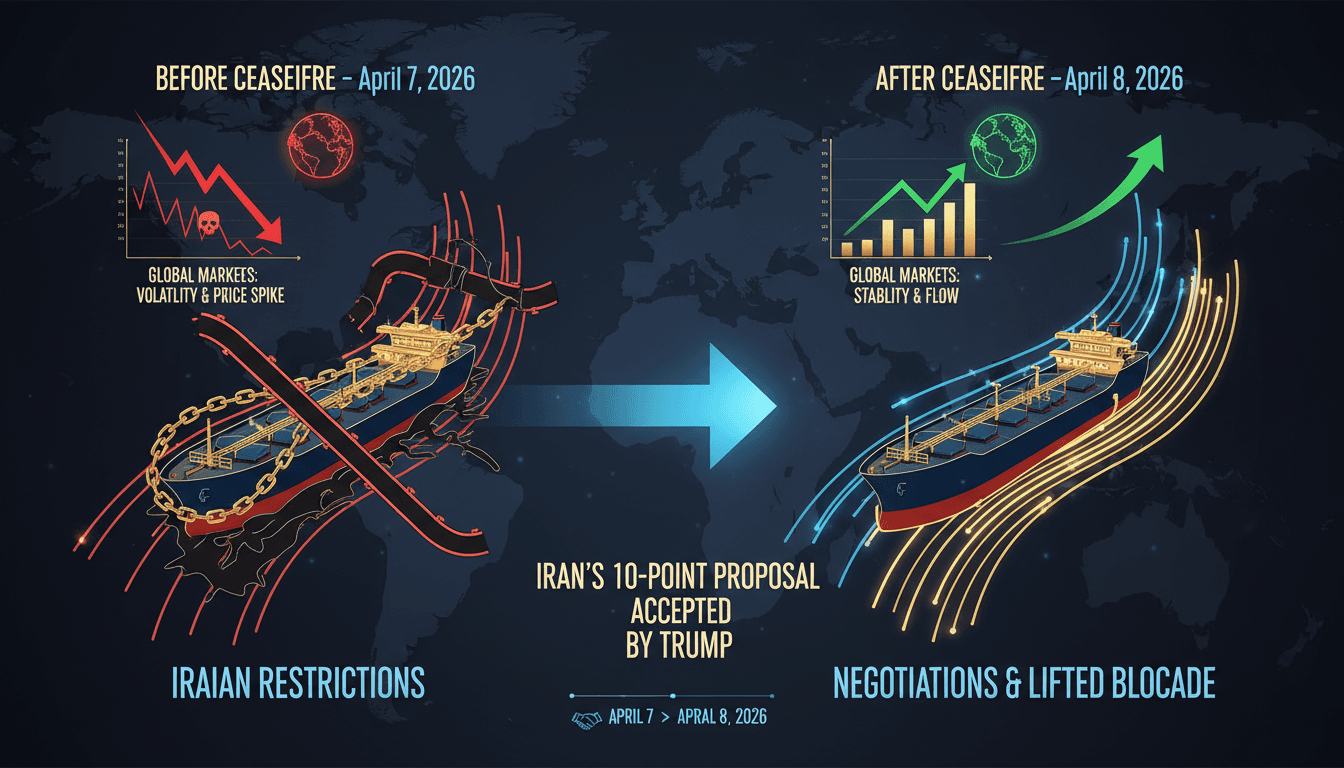
Iran's 10-Point Ceasefire Proposal Accepted by Trump as Basis for Negotiations
On April 8, 2026, Iran presented a modified 10-point peace proposal that U.S. President Donald Trump deemed a 'workable basis' for negotiations. This development follows a ceasefire announcement tied to Iranian restrictions on the Strait of Hormuz, which were lifted after a deadline set by Trump. The long-term implication suggests a potential shift in U.S.-Iran relations, with ongoing talks in Islamabad aimed at regional de-escalation and stability.
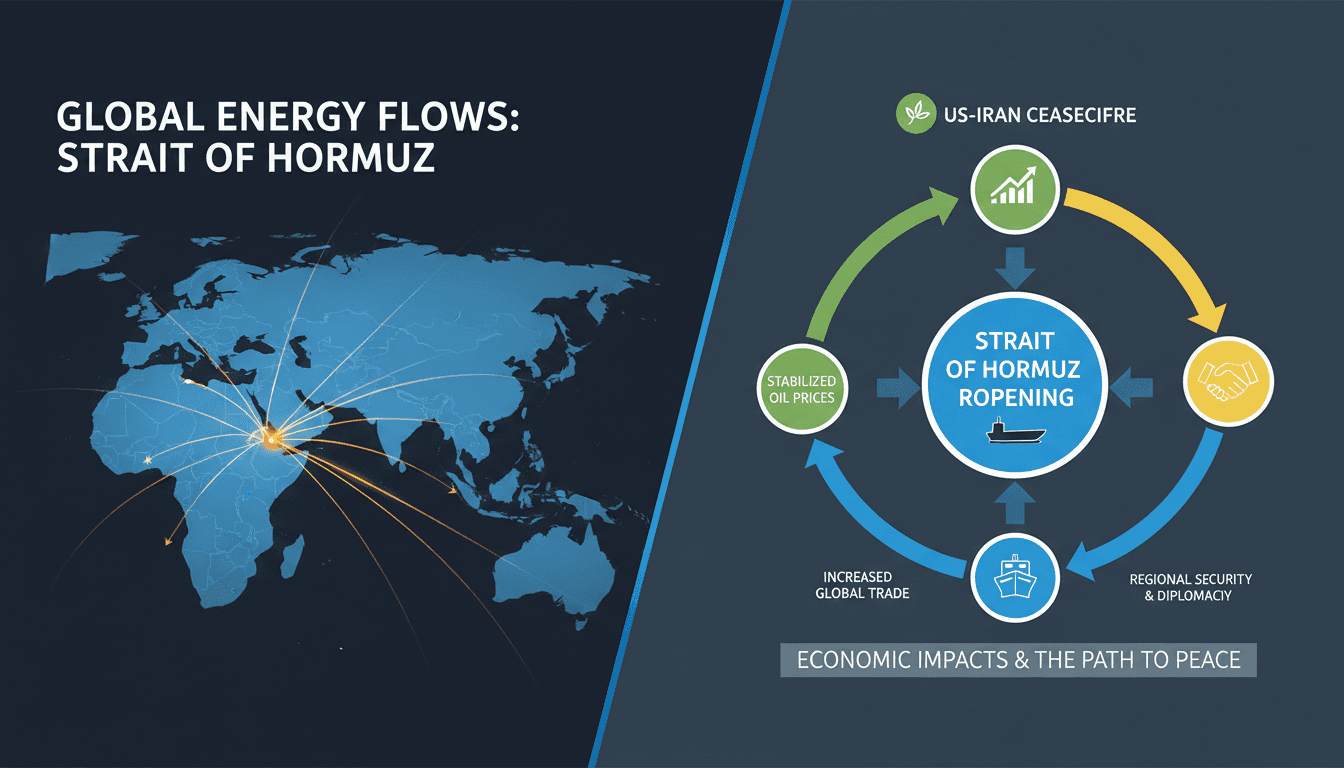
Keir Starmer Highlights Challenges in US-Iran Ceasefire and Strait of Hormuz Reopening
UK Prime Minister Keir Starmer has emphasized the extensive efforts required to solidify the US-Iran ceasefire and fully reopen the Strait of Hormuz following a two-week conditional truce. This statement comes in the wake of a recent war triggered by concerns over Iran's nuclear program, which has severely impacted regional stability and global energy shipments. The long-term implication suggests ongoing diplomatic negotiations will be essential to ensure lasting peace and security in the Gulf region, particularly for energy transit routes.
Latest Stories
Crude oil prices surge as fears mount over US-brokered Iran ceasefire collapse
Crude oil prices increased sharply while Asian stock markets fell due to escalating concerns regarding the stability of a recently announced US-brokered ceasefire with Iran. The immediate trigger for this market volatility was Israel's military actions in Lebanon and Iran's claims of ceasefire violations, leading to the re-closure of the vital Strait of Hormuz. Long-term implications suggest heightened geopolitical tensions and potential disruptions in global oil supply, prompting further diplomatic efforts from the US to stabilize the situation.
Global Efforts to Secure Submarine Cables Escalate Amid Rising Geopolitical Threats
A worldwide initiative to protect submarine cables has intensified following Russia-linked severances in the Baltic Sea and suspicious cuts near Taiwan. This escalation is driven by fears of state-sponsored disruptions from Russia and China, prompting governments and tech firms to deploy advanced monitoring and rerouting strategies. Long-term, this could lead to increased investment in undersea infrastructure resilience and a shift in global data traffic routes to avoid contested areas.
Israeli Airstrikes in Lebanon Result in 254 Deaths Amid US-Iran Ceasefire Tensions
On April 8, 2026, Israeli airstrikes on Lebanon killed at least 254 people, marking the heaviest bombardment since Hezbollah's involvement in the conflict. The strikes occurred as tensions escalated over a fragile US-Iran ceasefire that excluded Lebanon, prompting Hezbollah to retaliate with rocket fire into northern Israel. This incident is likely to exacerbate regional instability and could lead to further military confrontations involving Iran and its allies.
Trump Criticizes NATO for Lack of Support in Iran Conflict
U.S. President Donald Trump publicly rebuked NATO for its failure to assist the U.S. during the ongoing conflict with Iran. This criticism follows a meeting with NATO Secretary-General Mark Rutte and comes amid tense ceasefire negotiations and regional instability. The long-term implication may include a potential U.S. withdrawal from NATO if support does not improve, impacting global alliances and security dynamics.