
Strait of Hormuz Remains Blocked Amid Ongoing US-Iran Conflict
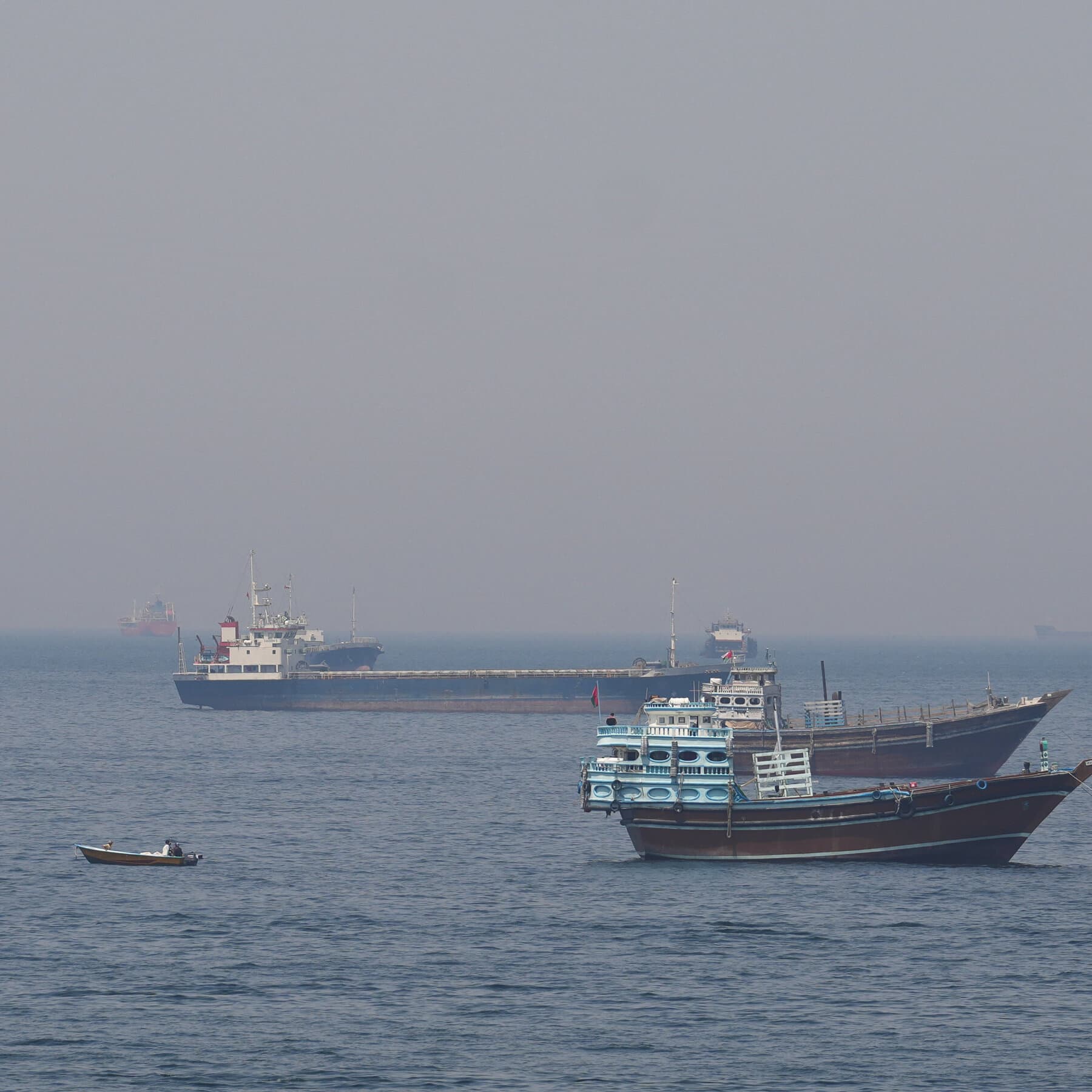
Here's what it means for you.
The ongoing blockade of the Strait of Hormuz is reshaping global energy markets, impacting prices and supply chains that affect your daily costs.
Why it matters
The Strait of Hormuz is a critical chokepoint for approximately 20% of the world's oil supply, making its disruption a significant concern for global energy security.
What happened (in 30 seconds)
- March 4, 2026: The Strait of Hormuz was effectively closed to commercial traffic due to Iranian military actions in response to US-Israeli airstrikes.
- April 2026: A brief announcement of reopening was reversed, leading to near-zero traffic and stranding thousands of vessels.
- Current Status: The strait remains closed to most traffic, with a US naval blockade on Iranian ports and selective passage for allied nations.
The context you actually need
- Geopolitical Tensions: The crisis stems from escalating US-Iran tensions following failed nuclear negotiations and military conflicts in the region.
- Energy Supply Shock: The blockade has led to a significant spike in oil prices, with Brent crude reaching $126 per barrel, affecting global energy costs.
- Infrastructure Shifts: Countries are rapidly developing alternative routes and diversifying energy sources to mitigate reliance on the strait.
What's really happening
The Strait of Hormuz, a narrow waterway connecting the Persian Gulf to the Gulf of Oman, has become a focal point of geopolitical conflict, particularly following the assassination of Iranian Supreme Leader Ali Khamenei on February 28, 2026. The US and Israel's Operation Epic Fury, aimed at crippling Iran's military capabilities, triggered immediate retaliation from Iran, including missile strikes and threats to close the strait.
By March 4, the Iranian Revolutionary Guard Corps (IRGC) had fully implemented a blockade, utilizing mines and attacks on merchant vessels to enforce their control. This blockade has resulted in a staggering 70% drop in maritime traffic, with insurance companies withdrawing coverage for vessels operating in the area. The implications are profound: approximately 20 million barrels per day (bpd) of oil, which typically transit through the strait, are now at risk, representing a critical disruption in global oil supply.
The initial response from the global market was swift, with oil prices surging as fears of a prolonged conflict grew. The situation was temporarily alleviated with a ceasefire and a pledge to reopen the strait, but this was short-lived. The US's naval blockade on Iranian ports and Iran's subsequent reimposition of the closure have left thousands of ships stranded, with over 2,000 vessels and 20,000 mariners affected.
As the crisis continues, regional players are adapting. The UAE, for instance, is rerouting exports through the Habshan-Fujairah pipeline, which has a capacity of 1.5-1.8 million bpd. However, drone attacks have disrupted these operations, highlighting the ongoing volatility in the region. Meanwhile, Iran has begun enforcing tolls on vessels deemed "hostile," further complicating the maritime landscape.
The long-term implications of this blockade are significant. Analysts suggest that even if the strait were to reopen, it may not return to its previous operational capacity. Countries are investing in bypass infrastructure and diversifying their energy sources to reduce reliance on this critical chokepoint, signaling a shift in global energy dynamics.
Who feels it first (and how)
- Energy Producers: Countries like Saudi Arabia and the UAE face immediate economic impacts due to stranded exports and fluctuating oil prices.
- Shipping Companies: Maritime operators are experiencing increased costs and operational risks, leading to potential bankruptcies.
- Consumers: Rising energy prices will trickle down to consumers, affecting everything from fuel costs to the price of goods.
What to watch next
- Oil Price Trends: Monitor Brent crude prices as they will reflect ongoing tensions and supply chain disruptions, impacting global markets.
- Infrastructure Developments: Watch for announcements on alternative pipeline projects that could reshape energy transport routes and reduce reliance on the strait.
- Geopolitical Negotiations: Keep an eye on diplomatic efforts involving the US, Iran, and regional allies, as any agreements could significantly alter the blockade's status.
The Strait of Hormuz is currently closed to most commercial traffic, severely impacting global oil supply.
Countries will continue to invest in alternative energy routes and diversify their energy sources to mitigate risks.
The duration of the blockade and its long-term effects on global energy markets remain uncertain.
Insights by A47 Intelligence
Global business headlines with AI angles.
"General business outlet that frequently covers AI."
— A47 Editor
Hoarding Fuels Global Energy Spike as Iran War Disrupts Supply Chains: Report
The global energy market is experiencing a significant spike in prices, driven not only by disruptions caused by the ongoing conflict in Iran but also by increased hoarding behavior among consumers and businesses worldwide. This dual impact has raise...
European coverage of Middle East politics and security issues.
"France 24 offers international reporting with a European editorial perspective."
— A47 Editor
World's worst energy crisis? Iran war sparks scramble for alternatives to Gulf oil
The ongoing conflict in Iran has escalated tensions, particularly following the seizure of ships by Iranian forces, which has raised alarms about the stability of oil supplies through the critical Strait of Hormuz. The International Energy Agency has...
Coverage of current events and conflicts in the Middle East.
"France 24 is viewed as a globally focused outlet with balanced coverage and a European perspective."
— A47 Editor
World's worst energy crisis? Iran war sparks scramble for alternatives to Gulf oil
The ongoing conflict in Iran has escalated tensions, particularly following the seizure of ships by Iranian forces, which has raised alarms about the stability of oil supplies through the critical Strait of Hormuz. The International Energy Agency has...
Regional coverage and analysis focused on politics, diplomacy, and business across the Middle East.
"Al-Monitor is known for analytical reporting on Middle East politics and policy developments."
— A47 Editor
Tiny Pacific nations face tough choices on food, fuel posed by Iran war
The ongoing conflict involving Iran has led to a significant global fuel crisis, impacting far-flung Pacific nations as they struggle to manage energy supplies amid rising costs for food and healthcare. Authorities are implementing fuel curbs to cope...
UAE-based newspaper covering Gulf politics, society, and international developments.
"Gulf News is one of the UAE’s most prominent English-language publications."
— A47 Editor
Hormuz shock: Middle East war may redraw global energy routes — IEA
The International Energy Agency (IEA) has warned that the ongoing conflict in the Middle East, particularly around the Strait of Hormuz, could significantly alter global energy routes. This situation arises amid heightened tensions following the U.S....
A curated Gulf News feed featuring major stories across news, business, opinion, and lifestyle.
"Gulf News is a major UAE newspaper whose featured stories feed reflects a broad editorial mix shaped for a Gulf audience."
— A47 Editor
Hormuz shock: Middle East war may redraw global energy routes — IEA
The International Energy Agency (IEA) has warned that the ongoing conflict in the Middle East, particularly around the Strait of Hormuz, could significantly alter global energy routes. This situation arises amid heightened tensions following the U.S....
Comprehensive coverage of Middle Eastern and global issues.
"Al Jazeera is a prominent voice from the Global South, especially the Middle East, with an emphasis on underreported stories."
— A47 Editor
EU eyes options as Iran conflict threatens jet fuel shortages
The ongoing conflict in Iran has led to the closure of the Strait of Hormuz, a critical maritime route for global oil transport, raising concerns in Europe about potential jet fuel shortages. The European Union is exploring options to mitigate the im...
Global news coverage with extensive reporting on Middle Eastern conflicts and geopolitics.
"Al Jazeera is a Qatar-based broadcaster known for wide regional coverage and alternative perspectives."
— A47 Editor
EU eyes options as Iran conflict threatens jet fuel shortages
The ongoing conflict in Iran has led to the closure of the Strait of Hormuz, a critical maritime route for global oil transport, raising concerns in Europe about potential jet fuel shortages. The European Union is exploring options to mitigate the im...
Global business headlines with AI angles.
"General business outlet that frequently covers AI."
— A47 Editor
World Experiencing Its Worst Energy Crisis In History Due To Iran War, IEA Head Says
The International Energy Agency (IEA) has declared that the world is currently facing its worst energy crisis in history, primarily attributed to the ongoing conflict in Iran. IEA head Fatih Birol emphasized that the war has severely disrupted energy...
Markets, economy, and company analysis from NYT’s business desk.
"The New York Times is a globally recognized newspaper offering authoritative reporting with a center-left editorial stance."
— A47 Editor
Strait of Hormuz May Not Return to Normal, Whether It’s Open or Closed
The Strait of Hormuz, a critical maritime route for oil shipments, has been declared open for commercial shipping following a fragile ceasefire between the United States and Iran. However, the energy industry is preparing for a future where the strai...
Pan-Arab news coverage spanning politics, business, sports, and regional affairs.
"Asharq Al-Awsat reflects a broad Arab editorial perspective with strong attention to regional geopolitics."
— A47 Editor
بعد تعطّل هرمز... ما خيارات تصدير النفط والغاز في الشرق الأوسط؟
The ongoing U.S.-Israeli conflict with Iran has disrupted navigation through the Strait of Hormuz, highlighting the limited options available for Middle Eastern countries to export their hydrocarbon resources. This situation poses significant challen...
Regional coverage and analysis focused on politics, diplomacy, and business across the Middle East.
"Al-Monitor is known for analytical reporting on Middle East politics and policy developments."
— A47 Editor
War in Iran is causing biggest energy crisis in history, IEA says
The ongoing conflict in Iran, particularly involving the United States and Israel, has been identified by the International Energy Agency (IEA) as the catalyst for the largest energy crisis in history, severely disrupting global oil and gas supplies.
Oil, metals, and agriculture: supply/demand headlines, OPEC chatter, inventories, and price action.
"Solid tape for energy and metals traders tracking macro and micro catalysts."
— A47 Editor
War in Iran is causing biggest energy crisis in history, IEA says
The ongoing war in Iran has triggered the largest energy crisis in history, according to the International Energy Agency (IEA). This conflict has led to significant disruptions in oil supply, with estimates indicating a loss of around one billion bar...
English-language news from Qatar covering domestic and regional affairs.
"Gulf Times reflects Qatari perspectives on regional developments."
— A47 Editor
IEA Executive Director warns of severe energy crisis due to Iran-US conflict
Fatih Birol, the Executive Director of the International Energy Agency (IEA), has issued a warning regarding the escalating conflict involving Iran, the United States, and Israel, indicating that it is contributing to a severe energy crisis. This sit...
Business and economy coverage focused on Dubai, the UAE, Saudi Arabia, and the wider Middle East.
"Arabian Business is a well-known regional business outlet with strong focus on Gulf markets, leadership, and investment stories."
— A47 Editor
War in Iran is causing biggest energy crisis in history, IEA says
The ongoing war in Iran has led to a significant energy crisis, as reported by the International Energy Agency (IEA), which highlights the impact of disrupted maritime traffic in the Strait of Hormuz, a critical passage for global oil and liquefied n...
Regional and international reporting focused on Middle Eastern politics, diplomacy, and economics.
"Asharq Al-Awsat is a Saudi-owned international newspaper reflecting mainstream Gulf political perspectives."
— A47 Editor
War in Iran Is Causing Biggest Energy Crisis in History, IEA Says
The ongoing war in Iran has been identified by the International Energy Agency (IEA) as the primary cause of the largest energy crisis in history, severely disrupting global oil and gas supplies. This conflict, particularly involving the United State...
Top international stories selected by The Guardian editors.
"The Guardian is known for its progressive editorial stance and in-depth analysis."
— A47 Editor
Iran war energy crisis: how bad could it get? – The Latest
The Strait of Hormuz has been closed again by Iran's military, disrupting the transit of numerous commercial ships and escalating tensions with the United States following the seizure of an Iranian cargo ship. This closure comes amid ongoing conflict...
Top international stories selected by The Guardian editors.
"The Guardian is known for its progressive editorial stance and in-depth analysis."
— A47 Editor
Iran war energy crisis: how bad could it get? – The Latest
Oil and gas prices have surged following the closure of the Strait of Hormuz by Iran, which has been exacerbated by the U.S. military's seizure of the Iranian cargo ship M/V Touska. This incident has led to heightened tensions between the U.S. and Ir...
UK and international business news, economics, and corporate coverage.
"The Guardian’s business section covers finance and markets with a progressive editorial tone."
— A47 Editor
Iran war energy crisis: how bad could it get? – The Latest
Oil and gas prices have surged following the closure of the Strait of Hormuz by Iran, which has been exacerbated by the U.S. military's seizure of the Iranian cargo ship M/V Touska. This incident has led to heightened tensions between the U.S. and Ir...