
Iran Enforces New Shipping Controls in Strait of Hormuz Amid U.S. Naval Blockade
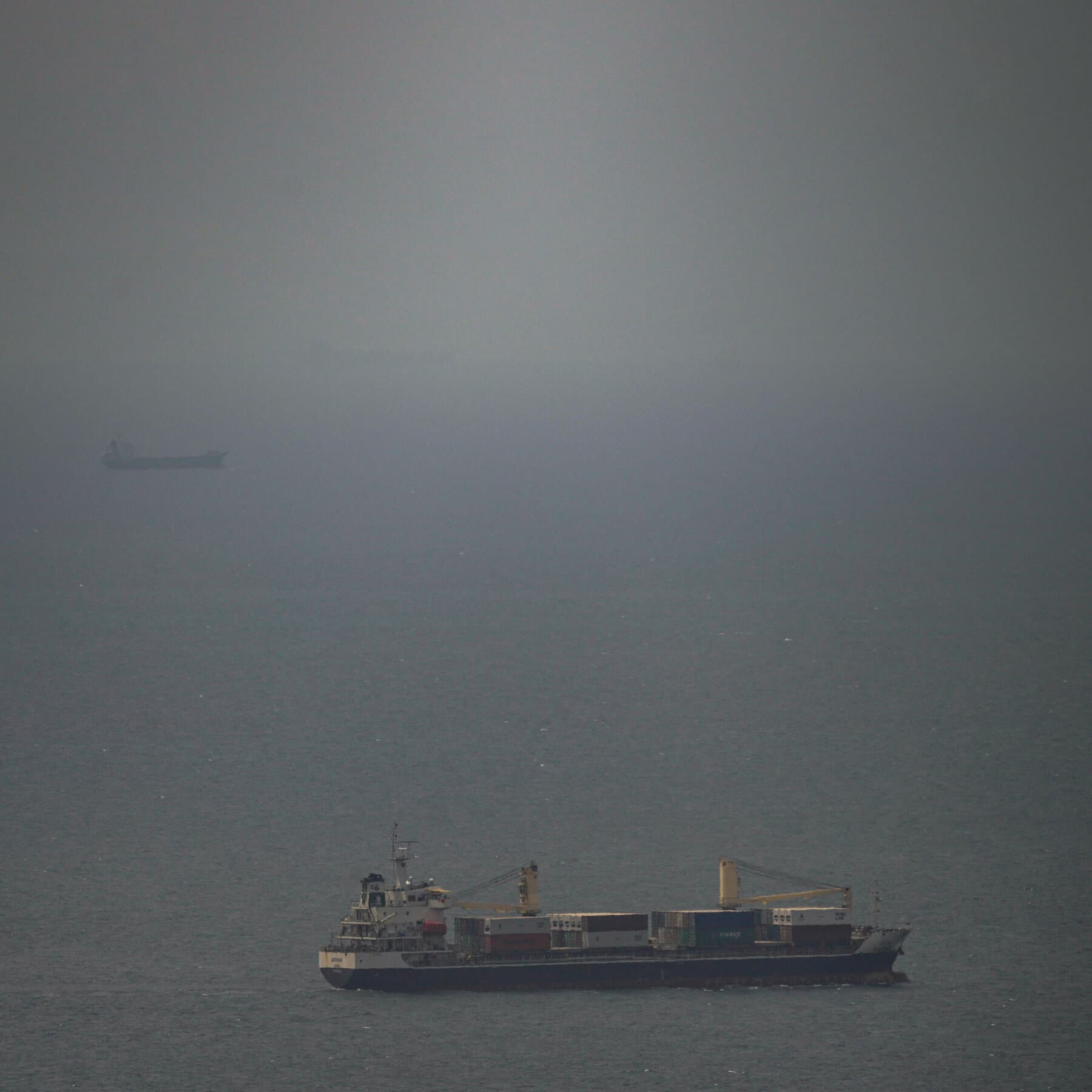
Here's what it means for you.
If you rely on global oil markets, the escalating tensions in the Strait of Hormuz could lead to higher prices and supply chain disruptions.
Why it matters
The Strait of Hormuz is a critical chokepoint for global oil trade, and disruptions here can significantly impact energy prices worldwide.
What happened (in 30 seconds)
- On April 22, 2026, Iran reimposed strict controls on shipping traffic through the Strait of Hormuz amid a U.S. naval blockade.
- Mandatory transit fees and designated lanes were introduced, drastically reducing vessel traffic to just three ships in a 24-hour period.
- This escalation is part of the ongoing U.S.-Iran conflict that began in late February 2026, further straining global energy supplies.
The context you actually need
- The Strait of Hormuz handles approximately one-fifth of the world's seaborne oil trade, making it a vital artery for energy supplies.
- Iran's military oversight and new transit fees could deter commercial shipping, leading to increased shipping costs and delays.
- The U.S. naval blockade aims to restrict Iranian oil exports, but Iran's countermeasures threaten to escalate tensions and disrupt global markets.
What's really happening
The recent tightening of shipping controls by Iran in the Strait of Hormuz is a direct response to the U.S. naval blockade initiated on April 13, 2026. This blockade was part of a broader strategy to limit Iran's oil exports amid escalating military tensions following U.S. and Israeli strikes on Iranian targets. The Iranian government, facing economic pressure and international isolation, has opted to assert its control over this critical maritime route by imposing mandatory transit fees and designating specific lanes for vessels.
The introduction of transit tolls, potentially reaching up to $2 million per vessel, formalizes Iran's de facto control over the strait. This move not only serves as a revenue-generating mechanism for Iran but also acts as a deterrent against foreign vessels attempting to navigate through the strait without compliance. The Iranian Revolutionary Guard Corps Navy and the Islamic Republic of Iran Armed Forces are now tasked with enforcing these new regulations, which include enhanced military oversight and the ability to fire on non-compliant ships.
As a result, commercial shipping traffic has plummeted. Reports indicate that only three vessels passed through the strait in a 24-hour period as of April 21, 2026, compared to a pre-war average of 140 daily. This drastic reduction in traffic is indicative of the heightened risks and costs associated with navigating through the strait under the current geopolitical climate.
The implications of these developments extend beyond immediate shipping concerns. With oil prices already surging past $100 per barrel, the potential for further disruptions in the Strait of Hormuz could exacerbate global energy supply fears. The United Arab Emirates, a key player in the region, faces stranded oil exports, with numerous supertankers trapped in the Gulf. This situation threatens not only the UAE's economy but also the broader stability of global energy markets.
In response to these challenges, the UAE has called for guaranteed access to the Strait of Hormuz in any potential U.S.-Iran deal, highlighting the interconnectedness of regional security and global energy supply chains. As tensions continue to escalate, the risk of miscalculation or further military engagement remains high, with significant repercussions for international trade and energy prices.
Who feels it first (and how)
- Shipping companies: Facing increased costs and delays due to mandatory fees and military oversight.
- Oil exporters: Particularly those in the UAE, experiencing stranded shipments and potential revenue losses.
- Global consumers: Likely to see rising fuel prices as supply disruptions impact the market.
- Energy traders: Adjusting strategies in response to heightened volatility in oil prices.
What to watch next
- Oil price fluctuations: Monitor how prices react to ongoing tensions and shipping disruptions, as they can signal broader market impacts.
- Diplomatic negotiations: Watch for any developments in U.S.-Iran talks, particularly regarding potential ceasefires or agreements that could alter shipping conditions.
- Military movements: Keep an eye on naval deployments in the region, as increased military presence could escalate tensions further.
Iran has reimposed strict controls on shipping through the Strait of Hormuz.
Oil prices will continue to rise as supply fears mount due to reduced shipping traffic.
The long-term impact of these tensions on global energy markets and shipping routes.
Insights by A47 Intelligence
Coverage of current events and conflicts in the Middle East.
"France 24 is viewed as a globally focused outlet with balanced coverage and a European perspective."
— A47 Editor
Iran flaunts its grip over the Strait of Hormuz with commandos storming cargo ship
Iranian commandos have recently stormed a cargo ship in the strategically vital Strait of Hormuz, showcasing Iran's increasing military assertiveness in the region. This incident reflects a broader shift in the geopolitical landscape, as tensions esc...
European coverage of Middle East politics and security issues.
"France 24 offers international reporting with a European editorial perspective."
— A47 Editor
Iran flaunts its grip over the Strait of Hormuz with commandos storming cargo ship
Iranian commandos have recently stormed a cargo ship in the strategically vital Strait of Hormuz, showcasing Iran's increasing military assertiveness in the region. This incident reflects a broader shift in the geopolitical landscape, as tensions esc...
Global markets, investing, and macroeconomics from a premier financial newsroom.
"Bloomberg is respected for in-depth financial reporting and data-driven analysis."
— A47 Editor
Oil Jumps as Iran Tensions Simmer With Hormuz Flows Blocked
Oil prices surged as tensions in the Iran conflict escalated, particularly with the blockage of flows through the Strait of Hormuz, a crucial maritime route for global oil transport. This situation has raised concerns about the stability of oil suppl...
Pan-Arab news coverage spanning politics, business, sports, and regional affairs.
"Asharq Al-Awsat reflects a broad Arab editorial perspective with strong attention to regional geopolitics."
— A47 Editor
انخفاض عدد عمليات عبور هرمز وازدياد الحوادث الأمنية
The number of ships transiting the Strait of Hormuz has sharply declined since Sunday due to Iranian and American blockades, while security incidents involving vessels have doubled. This situation raises concerns about maritime safety and the stabili...
Research, news, and analysis on blockchain startups, DeFi, and regulations.
"Crypto Briefing provides research, news, and analysis on blockchain startups, DeFi, and crypto regulations with investor-focused coverage."
— A47 Editor
Shippers avoid Strait of Hormuz after Iran seizes vessels
Shippers are increasingly avoiding the Strait of Hormuz following Iran's recent seizure of vessels, which has heightened geopolitical tensions and disrupted global trade routes. This strategic maritime passage is vital for oil shipments, and its inst...
Global news coverage with extensive reporting on Middle Eastern conflicts and geopolitics.
"Al Jazeera is a Qatar-based broadcaster known for wide regional coverage and alternative perspectives."
— A47 Editor
How Iran raised Hormuz stakes by capturing ships
Iran has escalated tensions in the Strait of Hormuz by capturing multiple ships, coinciding with a blockade imposed by the United States and Israel following military actions against Iran. This move comes after President Trump extended a ceasefire, w...
Comprehensive coverage of Middle Eastern and global issues.
"Al Jazeera is a prominent voice from the Global South, especially the Middle East, with an emphasis on underreported stories."
— A47 Editor
How Iran raised Hormuz stakes by capturing ships
Iran has escalated tensions in the Strait of Hormuz by capturing multiple ships, coinciding with a blockade imposed by the United States and Israel following military actions against Iran. This move comes after President Trump extended a ceasefire, w...
UK and international business news, economics, and corporate coverage.
"The Guardian’s business section covers finance and markets with a progressive editorial tone."
— A47 Editor
Footage purportedly shows Iranian forces seize two vessels in the strait of Hormuz - video
Iran's Revolutionary Guards have released footage allegedly showing the seizure of two vessels in the Strait of Hormuz, claiming the ships attempted to exit the strait covertly. This incident follows a series of maritime confrontations in the region,...
Comprehensive coverage of Middle Eastern and global issues.
"Al Jazeera is a prominent voice from the Global South, especially the Middle East, with an emphasis on underreported stories."
— A47 Editor
Iran releases video of IRGC seizing ship in the Strait of Hormuz
Iran's Revolutionary Guard Corps (IRGC) has released a video purportedly showing its forces seizing a ship in the strategically significant Strait of Hormuz, a vital maritime route for global oil shipments. This incident highlights ongoing tensions i...
Global news coverage with extensive reporting on Middle Eastern conflicts and geopolitics.
"Al Jazeera is a Qatar-based broadcaster known for wide regional coverage and alternative perspectives."
— A47 Editor
Iran releases video of IRGC seizing ship in the Strait of Hormuz
Iran's Revolutionary Guard Corps (IRGC) has released a video purportedly showing its forces seizing a ship in the Strait of Hormuz, a critical maritime route for global oil transport. This incident highlights the ongoing tensions in the region, parti...
In-depth reporting on tech, policy, and science including AI.
"Respected analysis for technically savvy readers, including AI topics."
— A47 Editor
Crypto scam lures ships into Strait of Hormuz, falsely promising safe passage
A ship was reportedly attacked by Iranian forces after allegedly being lured into the Strait of Hormuz by a cryptocurrency scam that falsely promised safe passage. This incident highlights the ongoing risks faced by vessels navigating this critical m...
In-depth coverage of hardware, software, science, and policy.
"Ars Technica provides expert technology news, hardware reviews, and analysis for a technically savvy audience."
— A47 Editor
Crypto scam lures ships into Strait of Hormuz, falsely promising safe passage
A ship was reportedly attacked by Iranian forces after allegedly being lured into the Strait of Hormuz by a cryptocurrency scam that falsely promised safe passage. This incident highlights the ongoing risks faced by vessels navigating this critical m...
Markets, economy, and company analysis from NYT’s business desk.
"The New York Times is a globally recognized newspaper offering authoritative reporting with a center-left editorial stance."
— A47 Editor
Iran Again Tightens Its Grip on Shipping in the Strait of Hormuz
Iran has intensified its control over shipping in the Strait of Hormuz, recently attacking two vessels and effectively halting traffic in the critical maritime route. Since the onset of the conflict, over 300 Iranian-linked ships have traversed the s...
Top international stories selected by The Guardian editors.
"The Guardian is known for its progressive editorial stance and in-depth analysis."
— A47 Editor
‘Impossible’ to reopen strait of Hormuz amid ‘flagrant’ ceasefire breaches, Iran says
Iranian forces have seized two ships in the Strait of Hormuz amid escalating tensions between the U.S. and Iran, with both nations maintaining separate blockades of this critical waterway. Iran has declared it 'impossible' to reopen the strait due to...
UAE-based English-language newspaper covering regional politics, economics, and global affairs.
"The National reflects Emirati policy perspectives while maintaining international editorial standards."
— A47 Editor
Iran's fast boat attacks intensify Strait of Hormuz confrontation
Iran has intensified its confrontational stance in the Strait of Hormuz by deploying fast boats to attack and seize vessels, marking a significant escalation in regional tensions. This aggressive maritime activity follows U.S. President Donald Trump'...
Pan-Arab news coverage spanning politics, business, sports, and regional affairs.
"Asharq Al-Awsat reflects a broad Arab editorial perspective with strong attention to regional geopolitics."
— A47 Editor
حصار «هرمز» خطوة بخطوة: ماذا نعرف حتى الآن؟
On Monday, only three ships crossed the Strait of Hormuz, indicating a significant slowdown in maritime traffic following attacks on commercial vessels attributed to the United States and Iran. This situation highlights escalating tensions in a criti...
Arabic-language coverage of political affairs and current events.
"Okaz political coverage typically follows mainstream Saudi framing on national and regional affairs."
— A47 Editor
رغم الحصار المزدوج .. تحركات لعبور هرمز..وغموض يلف مصير سفينة إيرانية
Tensions in the Strait of Hormuz have escalated, with three ships attempting to cross the strait amid a dual blockade. An Iranian vessel successfully crossed but ceased transmitting signals, raising concerns about its fate, especially following the r...
Global coverage of politics, crises, and international affairs.
"HuffPost provides progressive-oriented reporting on international developments, often focusing on humanitarian and social justice issues."
— A47 Editor
Gulf Worries U.S.-Iran Talks May Cement Tehran's 'Golden' Grip On Hormuz
Iran's recent threats to Gulf shipping have intensified concerns regarding its control over the Strait of Hormuz, a critical maritime route for global oil shipments. This escalation follows Iran's announcement of the strait's closure amid ongoing U.S...