
US Navy Seizes Iranian Ship Amidst Escalating Tensions in Strait of Hormuz
Here's what it means for you.
If you're in the energy sector or rely on oil, expect rising costs and potential supply chain disruptions.
Why it matters
The escalation of US-Iran tensions directly impacts global oil prices and market stability, affecting economies worldwide.
What happened (in 30 seconds)
- US Navy seized an Iranian cargo ship on April 19, escalating tensions and derailing a planned ceasefire.
- Oil prices surged to $95.48 per barrel on April 20, reflecting fears of supply disruptions through the Strait of Hormuz.
- Global stock markets declined, with the Dubai index falling 2.1%, as investors reacted to renewed geopolitical risks.
The context you actually need
- The US-Iran war began on February 28, 2026, following US and Israeli strikes on Iranian targets, leading to a fragile ceasefire on April 8.
- Negotiations in Pakistan aimed to resolve the conflict but stalled over disagreements on nuclear limits and maritime access.
- The Strait of Hormuz is critical for global oil supply, with 20% of the world's oil passing through, making any disruption a significant concern.
What's really happening
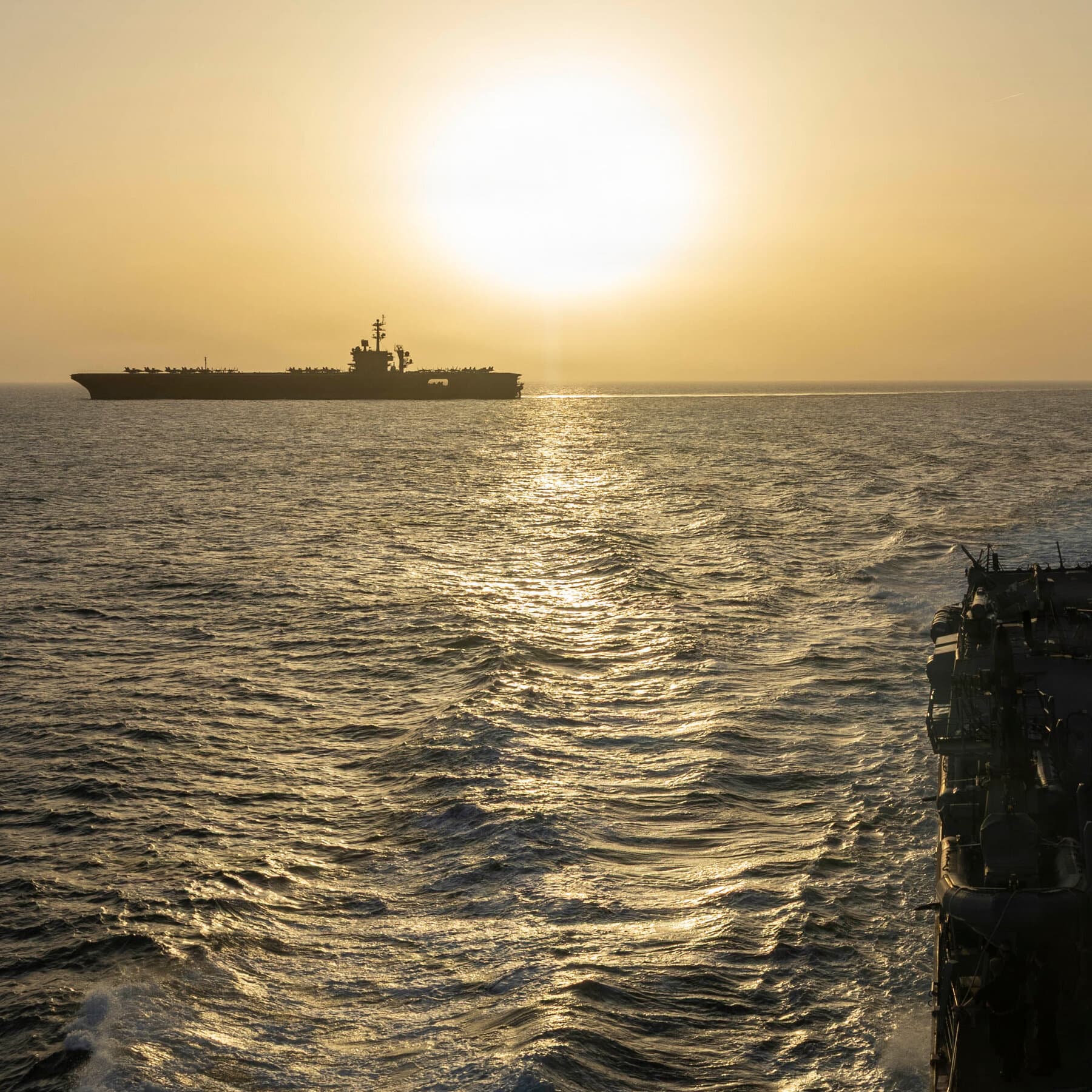
The recent seizure of the Iranian-flagged container ship Touska by the US Navy has intensified an already volatile situation in the Gulf region. This incident occurred against the backdrop of a fragile ceasefire that had briefly raised hopes for de-escalation in the US-Iran conflict. The Touska, which was attempting to breach a US naval blockade, had been under sanctions since 2020 and was en route from Malaysia to Iran when it was intercepted. The US Navy's actions have been condemned by Iran, which labeled the seizure as "piracy" and vowed retaliation, further complicating the already tense diplomatic landscape.
As a result of this escalation, oil prices have surged significantly. Brent crude oil prices increased by 5.6% to $95.48 per barrel on April 20, reflecting market fears of supply disruptions. The Strait of Hormuz, a critical chokepoint for oil transport, has seen tanker traffic plummet from a normal rate of 120 vessels per day to just 3-5, as the US has turned back 27 ships since the blockade began. This drastic reduction in shipping activity not only affects oil prices but also has broader implications for global trade and energy security.
The geopolitical stakes are high, with US President Trump announcing plans for further talks in Pakistan, led by Vice President JD Vance. However, Iranian officials have publicly denied any plans to engage in negotiations, citing "historical mistrust." This lack of communication and cooperation raises the risk of further military actions, as Trump has threatened strikes on Iranian infrastructure if tensions escalate.
The implications of this standoff extend beyond immediate military concerns. Investors are reacting to the uncertainty, leading to declines in global stock markets. The Dubai Financial Market General Index fell by 2.1% on April 20, reversing earlier gains made during the ceasefire. Residents in Dubai are also feeling the pinch, as elevated fuel prices and shipping delays impact daily life, particularly for those reliant on oil imports.
Who feels it first (and how)
- Energy sector professionals: Increased oil prices directly affect profitability and operational costs.
- Consumers in oil-dependent regions: Higher fuel prices lead to increased transportation and living costs.
- Global traders and investors: Market volatility can result in significant financial losses or gains, depending on exposure to oil and geopolitical risks.
What to watch next
- Ceasefire negotiations: The outcome of talks in Pakistan will be crucial in determining whether tensions escalate or de-escalate.
- Oil price fluctuations: Continued disruptions in the Strait of Hormuz could push prices toward $100 per barrel, impacting global markets.
- Military movements: Any significant military actions by the US or Iran could lead to further instability in the region and beyond.
Oil prices are rising due to geopolitical tensions.
Continued volatility in global stock markets as investors react to developments.
The long-term impact of the US-Iran conflict on global energy supply and prices.
Insights by A47 Intelligence
Markets desk coverage, trading insights, and investor updates.
"WSJ’s markets reporting provides in-depth analysis and context for investors."
— A47 Editor
Oil Futures Rise As Strait of Hormuz Stays Closed
Oil futures have increased for a third consecutive session as the Strait of Hormuz remains closed, following Iran's recent attacks on three vessels and the ongoing U.S. blockade of Iran-linked ships. This situation has heightened tensions in a critic...
UAE-based English-language newspaper covering regional politics, economics, and global affairs.
"The National reflects Emirati policy perspectives while maintaining international editorial standards."
— A47 Editor
Oil prices jump 5% amid uncertainty over US-Iran ceasefire
Oil prices surged by 5% amid ongoing uncertainty regarding the ceasefire between the United States and Iran, with Brent crude nearing $100 per barrel. This increase follows a recent announcement of an indefinite extension of the ceasefire, which aims...
Major U.S. developments and regional news.
"ABC News delivers broad national coverage with a mainstream editorial stance, focusing on accessibility and balanced reporting."
— A47 Editor
Oil prices jump and Wall Street slides with US, Iran clashing in the Strait of Hormuz
Oil prices climbed more than 5% and Wall Street veered toward losses before the open as a standoff between Iran and the U.S. prevented tankers from using the Strait of Hormuz
Markets, economy, and company analysis from NYT’s business desk.
"The New York Times is a globally recognized newspaper offering authoritative reporting with a center-left editorial stance."
— A47 Editor
The Peace Rally Gets Derailed
Oil prices are rising and global stock markets are declining as investor confidence wanes over the prospects for a swift resolution to the ongoing conflict in the Middle East, particularly concerning tensions in the Strait of Hormuz. This situation h...
UK and international business news, economics, and corporate coverage.
"The Guardian’s business section covers finance and markets with a progressive editorial tone."
— A47 Editor
European stock markets fall and oil and gas prices jump 5% as strait of Hormuz ‘chaos’ worries investors – business live
European stock markets experienced a decline as oil and gas prices surged by 5%, driven by escalating tensions in the Strait of Hormuz, where chaos has raised concerns among investors. This situation follows Iran's threats of retaliation against the ...
Regional and international reporting focused on Middle Eastern politics, diplomacy, and economics.
"Asharq Al-Awsat is a Saudi-owned international newspaper reflecting mainstream Gulf political perspectives."
— A47 Editor
Oil Prices and Stocks Climb as US-Iran Standoff Keeps Strait of Hormuz in Limbo
Oil prices and stocks have risen amid ongoing tensions between the United States and Iran, particularly as the standoff continues to affect the Strait of Hormuz, a crucial shipping route. The recent announcement of an indefinite ceasefire extension b...