
Iran War Triggers Economic Disruptions Impacting Global Consumer Expenditures
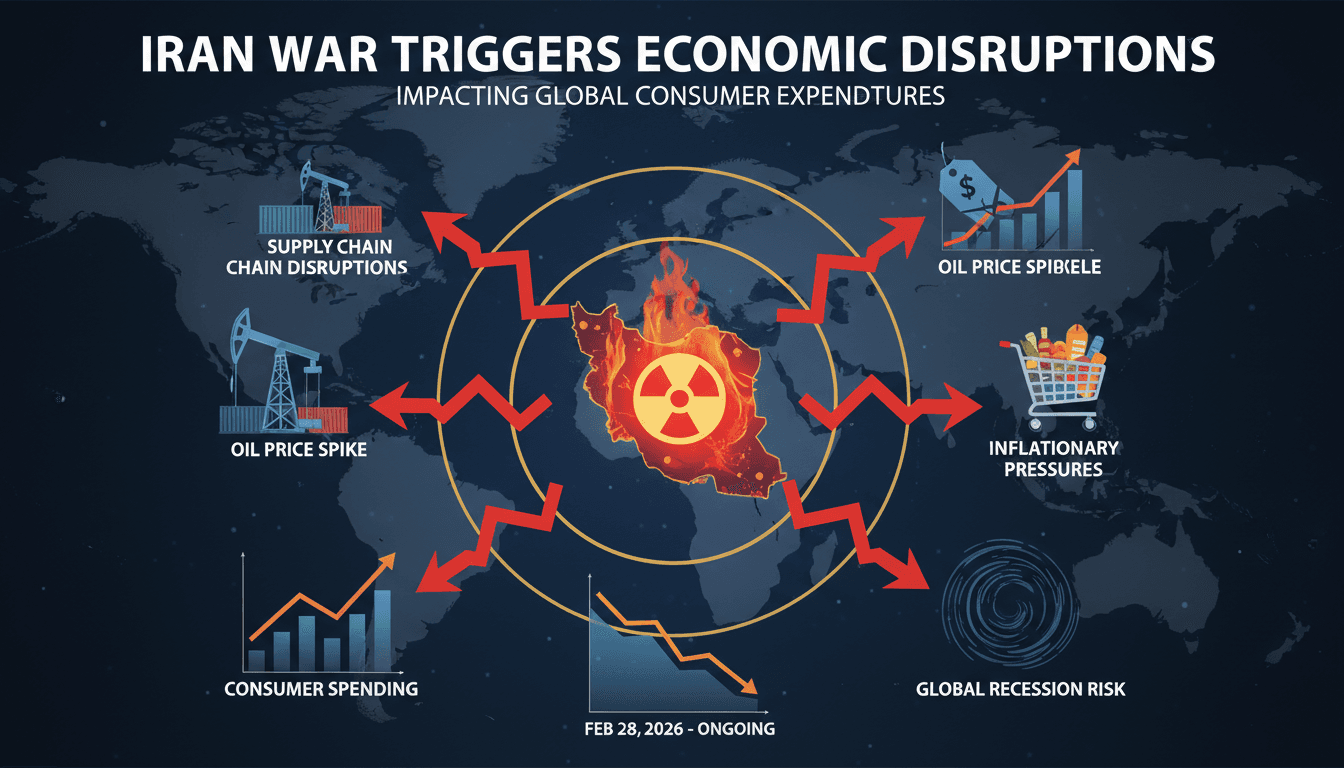
Here's what it means for you.
The ongoing conflict is reshaping household budgets worldwide, particularly in the Gulf region.
Why it matters
The economic fallout from the Iran War is exacerbating inflation and disrupting supply chains, affecting consumer spending habits globally.
What happened (in 30 seconds)
- February 28, 2026: U.S. and Israeli forces launch strikes on Iran, killing key leaders and escalating military conflict.
- March 1, 2026: Iran retaliates with missile attacks, disrupting shipping in the vital Strait of Hormuz and impacting global oil markets.
- April 7, 2026: A two-week ceasefire is announced, but economic damage is already extensive, with significant losses in stock markets and rising consumer prices.
The context you actually need
- Geopolitical tensions: The war stems from long-standing issues surrounding Iran's nuclear program and its support for regional militias, which have led to previous military confrontations.
- Economic interdependence: The Strait of Hormuz is a critical chokepoint for global oil shipments, and disruptions here have immediate ripple effects on energy prices and related markets.
- Consumer impact: Rising transport and production costs are leading to increased prices for everyday goods, significantly affecting household budgets in the UAE and beyond.
What's really happening
The 2026 Iran War has ignited a series of economic disruptions that extend far beyond the immediate volatility of oil prices. Following the U.S. and Israeli strikes, Iran's retaliatory actions have severely impacted shipping routes through the Strait of Hormuz, a key artery for global oil transportation. This disruption has led to a cascade of economic consequences, particularly in Gulf economies like the UAE, where consumer expenditures are feeling the strain.
The conflict has resulted in a staggering $120 billion loss in market capitalization across the Dubai Financial Market and Abu Dhabi Securities Exchange, reflecting a broader investor sentiment of uncertainty and fear. The immediate aftermath has seen a 16% plunge in the DFM index, alongside widespread flight cancellations due to airport damage and significant spikes in the prices of staple foods—ranging from 40% to 120%—as import disruptions have reached alarming levels.
Inflationary pressures are mounting, with the European Central Bank adjusting its inflation forecasts upward and the OECD projecting a rise in U.S. inflation rates. The conflict has also led to a collapse in the tourism sector, which contributes approximately 13% to the UAE's GDP, further straining local economies. The exodus of expatriates, who play a crucial role in the labor market, adds another layer of complexity to the economic landscape.
In response to these challenges, UAE authorities have deployed a $270 million relief package aimed at supporting affected businesses and families. However, the long-term implications of the conflict remain uncertain, as financial strategists warn of a potential global recession if the situation escalates further. The volatility in global markets, with indices down between 1-12%, and the sharp rise in fertilizer prices—up 40%—indicate that the economic ramifications of the war will be felt for an extended period.
Who feels it first (and how)
- Consumers in the UAE: Facing rising prices for food and essential goods due to supply chain disruptions.
- Tourism sector workers: Experiencing job insecurity and reduced income as travel declines.
- Investors: Seeing significant losses in stock markets and uncertainty in future investments.
- Expatriates: Facing potential relocation due to economic instability and job losses.
What to watch next
- Ceasefire developments: Continued negotiations and the potential for a lasting peace agreement could stabilize markets and consumer confidence.
- Inflation rates: Monitoring inflation trends in the UAE and globally will provide insights into the economic recovery trajectory.
- Supply chain resilience: Observing how businesses adapt to ongoing disruptions will indicate the long-term impacts on consumer prices and availability of goods.
The conflict has led to significant economic losses in the Gulf region, particularly affecting consumer prices and market stability.
Continued inflationary pressures and potential recession risks as the conflict persists.
The long-term geopolitical implications and how they will shape future economic policies in the region.
Insights by A47 Intelligence
UAE-based English-language newspaper covering regional politics, economics, and global affairs.
"The National reflects Emirati policy perspectives while maintaining international editorial standards."
— A47 Editor
Beyond oil: How the Iran war is already hitting wallets
The ongoing conflict involving Iran has begun to significantly impact global economies, with rising oil prices and disruptions in oil supply chains affecting consumer wallets. The situation has escalated due to military actions and geopolitical tensi...
National headlines across the United States including breaking stories and societal issues.
"NBC News is a mainstream media outlet known for comprehensive national and international news coverage with a centrist to slightly left-leaning editorial tone."
— A47 Editor
How war with Iran drives food price spike concern
The ongoing conflict in Iran has raised concerns about a significant spike in food prices, as the war disrupts supply chains and increases operational costs for businesses. This situation has led to fears of inflation affecting everyday consumers.