
Bank of England and ECB Maintain Interest Rates Amid Rising Fuel Prices from Iran Conflict
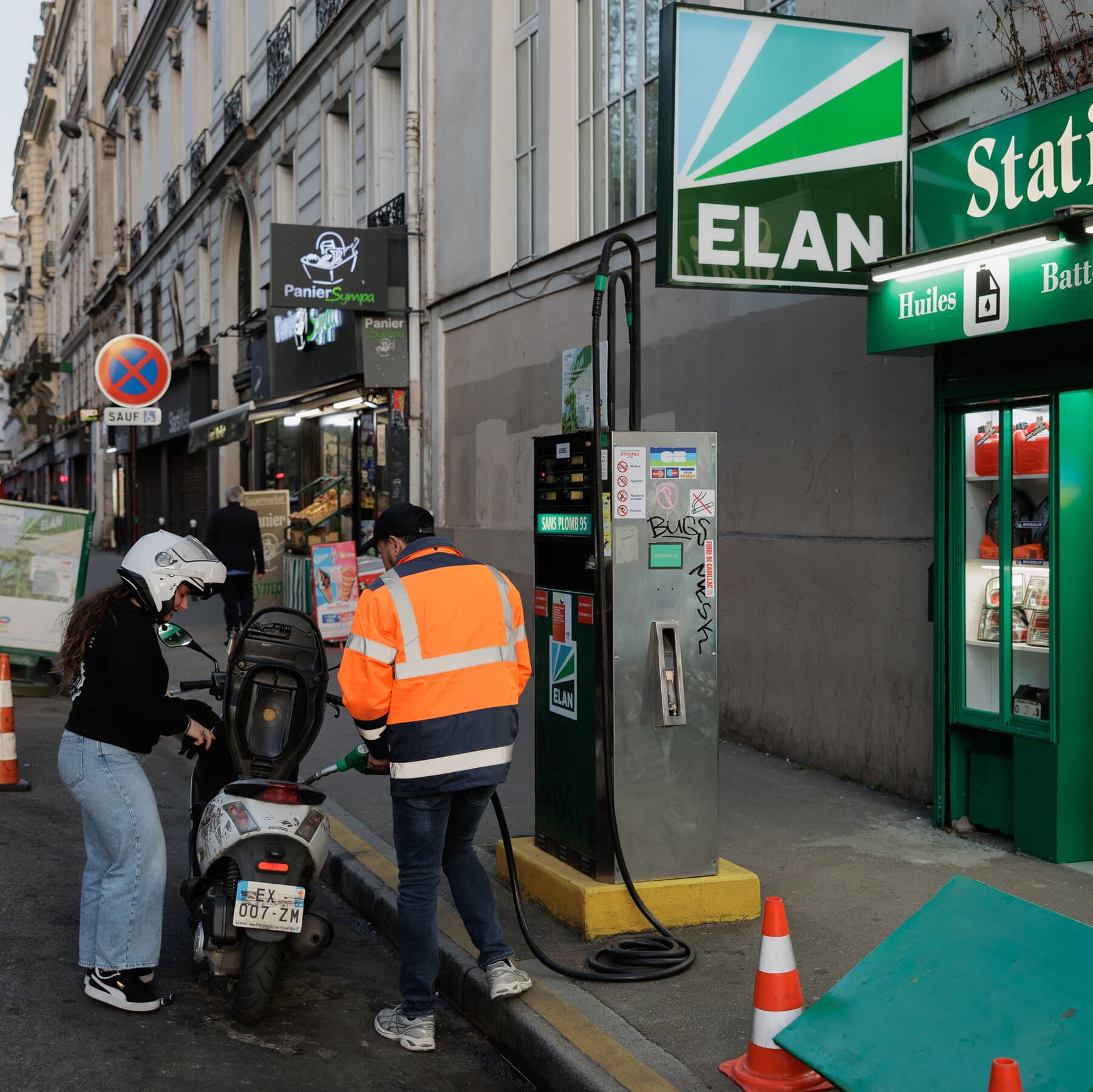
Here's what it means for you.
Rising fuel prices could impact your cost of living and investment strategies as central banks navigate economic uncertainty.
Why it matters
The decisions by the Bank of England and European Central Bank reflect broader economic vulnerabilities tied to energy prices and geopolitical tensions.
What happened (in 30 seconds)
- On April 30, 2026, the Bank of England and European Central Bank decided to maintain interest rates amid escalating fuel prices due to the Iran conflict.
- Brent crude oil prices surged to $126 per barrel, significantly impacting inflation rates across Europe.
- Stagflation risks are rising, with the Eurozone experiencing stagnant growth and inflation hitting 3.0% as of April 30.
The context you actually need
- The crisis began with U.S. and Israeli military actions against Iran on February 28, 2026, leading to the closure of the Strait of Hormuz, a critical oil transit route.
- Energy prices have skyrocketed, with Brent crude oil reaching wartime highs, causing imported inflation across Europe despite previous disinflation trends.
- Central banks are caught between controlling inflation and supporting economic growth, with the BoE and ECB signaling potential future rate hikes depending on the persistence of energy shocks.
What's really happening
The recent conflict in the Middle East has triggered a significant disruption in global oil supplies, particularly through the Strait of Hormuz, which is responsible for about 20% of the world's oil transit. Following the U.S. and Israeli strikes on Iran, the closure of this vital shipping lane has led to an immediate spike in oil prices, with Brent crude exceeding $126 per barrel. This surge has not only affected the energy sector but has also had a ripple effect on inflation rates across Europe, with the Eurozone experiencing a flash inflation rate of 3.0% as of April 30, 2026.
The Bank of England (BoE) and the European Central Bank (ECB) faced a challenging decision on whether to raise interest rates to combat this imported inflation or to keep rates steady to support stagnant economic growth. Both central banks opted to maintain their current rates—3.75% for the BoE and 2% for the ECB—while issuing warnings about the risks of stagflation, a situation characterized by stagnant economic growth coupled with high inflation.
The BoE's Governor Andrew Bailey emphasized that monetary policy alone cannot offset the cost shocks caused by external factors like rising oil prices. Instead, it must focus on countering the persistence of these shocks. Similarly, ECB President Christine Lagarde highlighted the uncertainty surrounding the economic outlook, which is heavily influenced by the duration of the conflict and its impact on energy prices.
As inflation continues to rise, markets are anticipating that the ECB may need to implement rate hikes starting in June 2026. Investors are pricing in multiple increases, with projections suggesting that inflation could reach as high as 6.2% if oil prices remain above $100 per barrel. This scenario could necessitate a rise in the BoE's rates to as high as 5.25%, further complicating the economic landscape.
The implications of these developments extend beyond just central bank policies; they affect consumers, businesses, and investors alike. Rising fuel prices will likely lead to increased transportation and living costs, impacting household budgets and spending patterns. Additionally, sectors reliant on stable energy prices, such as manufacturing and logistics, may face increased operational costs, potentially leading to reduced profitability and investment.
Who feels it first (and how)
- Consumers: Higher fuel prices will increase transportation costs, affecting daily expenses and overall cost of living.
- Businesses: Companies in energy-intensive sectors may see rising operational costs, impacting profitability and pricing strategies.
- Investors: Market volatility may affect investment strategies, particularly in energy and commodities sectors.
- Low-income households: These groups are likely to be disproportionately affected by rising costs, as they spend a larger share of their income on energy and transportation.
What to watch next
- Inflation rates: Keep an eye on monthly inflation reports from the UK and Eurozone to gauge the impact of rising energy prices on overall economic conditions.
- Central bank communications: Monitor statements from the BoE and ECB for indications of future rate hikes and their rationale, especially in response to energy price fluctuations.
- Geopolitical developments: Watch for updates on the Iran conflict and any potential resolutions that could stabilize oil supply and prices.
Brent crude oil prices have surged to $126 per barrel due to the Iran conflict.
Central banks may implement rate hikes if inflation persists at elevated levels.
The duration and resolution of the Iran conflict remain uncertain, impacting future energy prices and economic stability.
This article was generated by AI from 9 verified sources and reviewed by A47 editorial systems.
Top international stories selected by The Guardian editors.
"The Guardian is known for its progressive editorial stance and in-depth analysis."
— A47 Editor
Bank of England warns ‘higher inflation unavoidable’ after holding interest rates
The Bank of England has decided to maintain interest rates at 3.75%, citing the unpredictability of the ongoing conflict in the Middle East as a key factor influencing its decision. The central bank warned that higher inflation is unavoidable due to ...
UK and international business news, economics, and corporate coverage.
"The Guardian’s business section covers finance and markets with a progressive editorial tone."
— A47 Editor
Bank of England warns ‘higher inflation unavoidable’ after holding interest rates
The Bank of England has decided to maintain interest rates at 3.75%, citing the unpredictability of the ongoing conflict in the Middle East as a key factor influencing its decision. The central bank warned that higher inflation is unavoidable due to ...
Editor-curated FT homepage stories spanning markets, business, world, and opinion.
"The Financial Times is a globally respected business publication with a centrist/center-left tone and strong markets focus."
— A47 Editor
ECB holds interest rates at 2% as inflation rises
The European Central Bank (ECB) has decided to maintain interest rates at 2% amid rising inflation, which has reached 3% in the Eurozone, raising concerns about economic stability. Policymakers indicated that risks to the Eurozone economy from ongoin...
Political developments, policy debates, elections, and government affairs in the UK.
"BBC News is widely regarded as a reputable international news organization, known for its impartial tone and public service mandate."
— A47 Editor
Bank of England says rates could rise as Iran war fuels inflation
The Bank of England has decided to maintain its key interest rate at 3.75%, citing the ongoing conflict in the Middle East, particularly the situation in Iran, as a significant factor influencing its decision. The central bank is closely monitoring t...
Corporate news, economic trends, and markets with UK and global scope.
"BBC News is widely regarded as reputable and impartial, with a public service mandate."
— A47 Editor
Bank of England says rates could rise as Iran war fuels inflation
The Bank of England has decided to maintain its interest rates at 3.75% while closely monitoring the inflationary impacts stemming from the ongoing conflict in Iran. This decision reflects concerns over rising energy prices and their potential effect...
Global political, business, and cultural coverage from WSJ international desks.
"The Wall Street Journal offers extensive international reporting with a reputation for financial insight and a center-right editorial stance."
— A47 Editor
Europe’s Economy Stutters as War Drives Up Inflation
Europe's economy is facing challenges as the European Central Bank (ECB) and the Bank of England (BOE) have decided to maintain interest rates amid rising inflation driven by ongoing conflicts, particularly in the Middle East. This decision reflects ...
Social/economic commentary and analysis relevant to business and markets.
"WSJ blends data-driven economic insight with commentary on policy and society."
— A47 Editor
Both the ECB and BOE, facing a mix of weaker growth and higher inflation, held interest rates steady
Europe's economy is facing challenges as the European Central Bank (ECB) and the Bank of England (BOE) have decided to maintain interest rates amid rising inflation driven by ongoing conflicts, particularly in the Middle East. This decision reflects ...
Markets, economy, and company analysis from NYT’s business desk.
"The New York Times is a globally recognized newspaper offering authoritative reporting with a center-left editorial stance."
— A47 Editor
Rising Fuel Prices Force Policymakers to Weigh Excruciating Choices
The Bank of England and the European Central Bank have decided to maintain their interest rates as they assess the economic impact of rising fuel prices, largely driven by the ongoing conflict in Iran. This situation has led to increased inflation, p...
Corporate news, economic trends, and markets with UK and global scope.
"BBC News is widely regarded as reputable and impartial, with a public service mandate."
— A47 Editor
Why are UK prices rising more quickly?
The ongoing conflict in Iran has contributed to a rise in UK inflation, pushing it further above the Bank of England's target of 2%. This inflationary pressure is primarily driven by increased energy prices, which have been exacerbated by geopolitica...
Global political, business, and cultural coverage from WSJ international desks.
"The Wall Street Journal offers extensive international reporting with a reputation for financial insight and a center-right editorial stance."
— A47 Editor
BOE Signals It May Raise Rates as Energy Prices Stay High
The Bank of England (BOE) has indicated a potential increase in interest rates as global energy prices remain elevated, largely influenced by the ongoing conflict in Iran. This situation has prompted central banks worldwide to adopt a cautious stance...
Social/economic commentary and analysis relevant to business and markets.
"WSJ blends data-driven economic insight with commentary on policy and society."
— A47 Editor
The Bank of England left its key interest rate unchanged, and signaled that it may soon raise borrowing costs to contain a surge in inflation triggered by the conflict in the Middle East
The Bank of England (BOE) has indicated a potential increase in interest rates as global energy prices remain elevated, largely influenced by the ongoing conflict in Iran. This situation has prompted central banks worldwide to adopt a cautious stance...
Global markets, investing, and macroeconomics from a premier financial newsroom.
"Bloomberg is respected for in-depth financial reporting and data-driven analysis."
— A47 Editor
Bank of England Holds Rates as Officials Consider Hikes Ahead
The Bank of England has decided to keep interest rates unchanged as several policymakers indicate potential future hikes, coinciding with a surge in oil prices that approaches the central bank's most pessimistic economic forecasts.
UK and global business, economy, and markets coverage.
"Sky News is often seen as a center-right outlet in the UK, known for rolling news and breaking business stories."
— A47 Editor
Bank of England sounds warning of interest rate hikes ahead
The Bank of England has issued a warning that inflation could rise to 6.2% next year, with interest rates potentially peaking at 5.25% if oil prices remain above $130 a barrel due to a prolonged energy shock. This scenario reflects the central bank's...