
US and Iran Reach Two-Week Ceasefire Agreement Mediated by Pakistan
Here's what it means for you.
If you rely on stable energy prices or are invested in global markets, this ceasefire could significantly impact your financial landscape.
Why it matters
The ceasefire halts hostilities that have disrupted global energy supplies, affecting prices and market stability.
What happened (in 30 seconds)
- On April 8, 2026, the United States and Iran agreed to a two-week ceasefire mediated by Pakistan.
- Over 5,000 fatalities have occurred since the conflict began on February 28, 2026, including significant civilian casualties.
- Preparatory talks are scheduled in Islamabad on April 10 to discuss a longer-term resolution.
The context you actually need
- The conflict escalated quickly, with initial US strikes leading to Iranian retaliation and a closure of the Strait of Hormuz, a critical global oil transit route.
- Pakistan's neutral stance allowed it to act as a mediator, leveraging relationships with both the US and Iran, as well as regional powers.
- Global energy markets have been under strain, with the conflict causing significant disruptions and price fluctuations, impacting economies worldwide.
What's really happening
The US-Iran conflict ignited on February 28, 2026, when US military strikes prompted Iranian retaliation, leading to a rapid escalation of hostilities. The closure of the Strait of Hormuz, through which approximately 20% of the world's oil passes, exacerbated the situation, resulting in over 5,000 fatalities across nearly a dozen countries. This included substantial civilian casualties, with 1,600 deaths reported in Iran and 1,000 in Lebanon. The conflict's spillover effects threatened to destabilize the region further, prompting urgent calls for de-escalation.
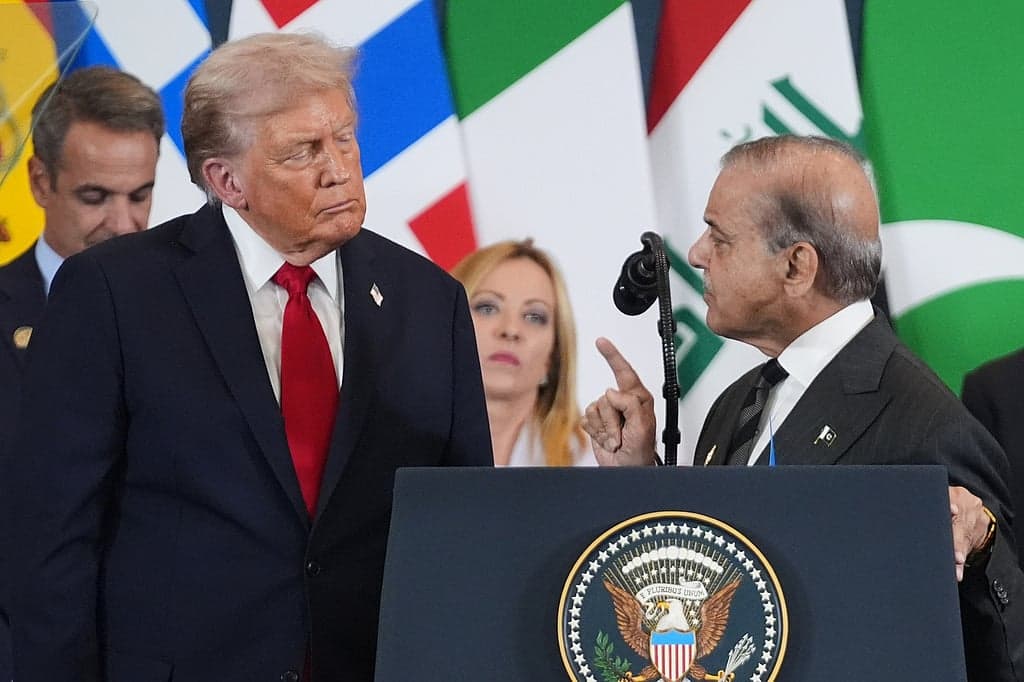
Pakistan, maintaining diplomatic relations with both adversaries, initiated backchannel diplomacy shortly after the conflict began. By leveraging its neutral position, Pakistan hosted preparatory meetings with key regional players, including Saudi Arabia, Turkey, and Egypt, to lay the groundwork for a ceasefire. High-level discussions involving Prime Minister Shehbaz Sharif and Army Chief Syed Asim Munir, along with US President Donald Trump, culminated in a formal ceasefire proposal in early April. This proposal mandated a halt to hostilities and outlined a negotiation window, which was crucial for reopening the Strait of Hormuz.
On April 8, 2026, the ceasefire was officially announced, with both parties acknowledging the fragile nature of the agreement. While the ceasefire is set for two weeks, follow-up negotiations are scheduled for April 10 in Islamabad, indicating a potential pathway toward a more sustainable resolution. The international community has largely welcomed this development, with global leaders praising Pakistan's mediation efforts. The UN Secretary-General and the EU's Ursula von der Leyen have both expressed support for the ceasefire, emphasizing the need for lasting peace in the region.
The ceasefire has immediate implications for global energy markets. Following the announcement, oil prices dropped by approximately 15-17%, alleviating some of the pressures felt by consumers and businesses. In Dubai, for instance, residents faced fuel shortages and elevated energy costs due to the conflict's impact on oil supplies. The ceasefire has prompted a notable market reaction, with Dubai's stock index experiencing its largest intraday gain in six years, reflecting a collective sigh of relief from investors.
Who feels it first (and how)
- Energy consumers: Individuals and businesses reliant on stable fuel prices will benefit from reduced costs.
- Investors: Those with stakes in energy markets or regional stocks will see immediate impacts from price fluctuations.
- Regional economies: Countries dependent on oil exports or imports will experience shifts in economic stability and growth prospects.
What to watch next
- Follow-up negotiations: The outcomes of the April 10 talks in Islamabad will be critical in determining the ceasefire's longevity and potential for a more comprehensive peace agreement.
- Market reactions: Monitor oil prices and stock market trends in the wake of the ceasefire, as these will indicate broader economic impacts.
- Geopolitical developments: Keep an eye on any shifts in alliances or tensions among regional powers that could affect the ceasefire's stability.
The ceasefire is in effect as of April 9, 2026, for a two-week duration.
Continued negotiations will take place, with potential for a longer-term resolution depending on the commitment of both parties.
The fragility of the ceasefire raises questions about its sustainability amid ongoing skirmishes and regional tensions.
Insights by A47 Intelligence
24/7 international news from a French perspective in multiple languages.
"France 24 is viewed as a globally focused outlet with balanced coverage and a European perspective."
— A47 Editor
US-Iran truce: ‘Sensitive behind-the-scenes conversations’ paved way for Pakistan-brokered ceasefire
A two-week ceasefire between the United States and Iran has been successfully brokered by Pakistan, following extensive behind-the-scenes negotiations. This development marks a significant diplomatic achievement amid rising tensions in the region, as...
European coverage of Middle East politics and security issues.
"France 24 offers international reporting with a European editorial perspective."
— A47 Editor
US-Iran truce: ‘Sensitive behind-the-scenes conversations’ paved way for Pakistan-brokered ceasefire
A two-week ceasefire between the United States and Iran has been successfully brokered by Pakistan, following extensive behind-the-scenes negotiations. This development marks a significant diplomatic achievement amid rising tensions in the region, as...
International coverage from The Guardian's global desks.
"The Guardian is known for its progressive editorial stance and in-depth analysis."
— A47 Editor
How Pakistan secured ‘biggest diplomatic win in years’ with Iran ceasefire
Pakistan has successfully facilitated a two-week ceasefire between the United States and Iran, marking a significant diplomatic achievement amid escalating tensions in the region. This breakthrough was reached after extensive negotiations led by Paki...
Pan-Arab news coverage spanning politics, business, sports, and regional affairs.
"Asharq Al-Awsat reflects a broad Arab editorial perspective with strong attention to regional geopolitics."
— A47 Editor
واشنطن وطهران إلى هدنة مشروطة واختبار صعب في باكستان
The conflict between the United States and Iran has taken a surprising turn with the announcement of a two-week ceasefire, facilitated by Pakistan, which has paved the way for direct negotiations in Islamabad on Friday.
Global news coverage with extensive reporting on Middle Eastern conflicts and geopolitics.
"Al Jazeera is a Qatar-based broadcaster known for wide regional coverage and alternative perspectives."
— A47 Editor
How Pakistan managed to get the US and Iran to a ceasefire
Pakistan has successfully facilitated a two-week ceasefire between the United States and Iran, following weeks of escalating tensions and conflict. This diplomatic breakthrough was achieved through backchannel talks, allowing both nations to pause ho...
Comprehensive coverage of Middle Eastern and global issues.
"Al Jazeera is a prominent voice from the Global South, especially the Middle East, with an emphasis on underreported stories."
— A47 Editor
How Pakistan managed to get the US and Iran to a ceasefire
Pakistan has successfully facilitated a two-week ceasefire between the United States and Iran, following weeks of escalating tensions and conflict. This diplomatic breakthrough was achieved through backchannel talks, allowing both nations to pause ho...
A curated Gulf News feed featuring major stories across news, business, opinion, and lifestyle.
"Gulf News is a major UAE newspaper whose featured stories feed reflects a broad editorial mix shaped for a Gulf audience."
— A47 Editor
How Pakistan’s quiet diplomacy drives US-Iran ceasefire breakthrough
A two-week ceasefire between the United States and Iran has been announced, facilitated by Pakistan's quiet diplomacy. This agreement comes amid escalating tensions in the Middle East, particularly concerning the strategic Strait of Hormuz, and aims ...
UAE-based newspaper covering Gulf politics, society, and international developments.
"Gulf News is one of the UAE’s most prominent English-language publications."
— A47 Editor
How Pakistan’s quiet diplomacy drives US-Iran ceasefire breakthrough
A two-week ceasefire between the United States and Iran has been announced, facilitated by Pakistan's quiet diplomacy. This agreement comes amid escalating tensions in the Middle East, particularly concerning the strategic Strait of Hormuz, and aims ...
Global business headlines with AI angles.
"General business outlet that frequently covers AI."
— A47 Editor
Iran Ceasefire: Why and How Pakistan Emerged as a Crucial Mediator in Trump's Deal
Pakistan has emerged as a crucial mediator in the ongoing ceasefire negotiations between the United States and Iran, particularly in light of President Trump's recent announcements regarding a two-week ceasefire contingent upon the reopening of the S...