
Iran Implements Cryptocurrency Tolls for Oil Tankers in Strait of Hormuz
Why it matters
This policy represents a significant shift in how Iran is circumventing sanctions, potentially reshaping global oil supply chains.
What happened (in 30 seconds)
- On April 8, 2026, Iran mandated oil tankers to pay tolls in cryptocurrency while transiting the Strait of Hormuz.
- The toll is set at $1 per barrel, with maximum charges reaching $2 million for supertankers, aimed at evading U.S. sanctions.
- Shipping firms are adapting, using digital assets like Bitcoin and stablecoins to secure passage and avoid seizures.
The context you actually need
- Iran's crypto ecosystem has grown to $7.8 billion by 2025, largely driven by the Islamic Revolutionary Guard Corps (IRGC) to fund operations amid U.S. sanctions.
- Regional conflicts have halved shipping traffic through the Strait of Hormuz since late February 2026, prompting the toll policy as a revenue source.
- The Strait of Hormuz is crucial, handling about 20% of global oil supply, making any disruptions or new policies highly impactful on global energy markets.
What's really happening
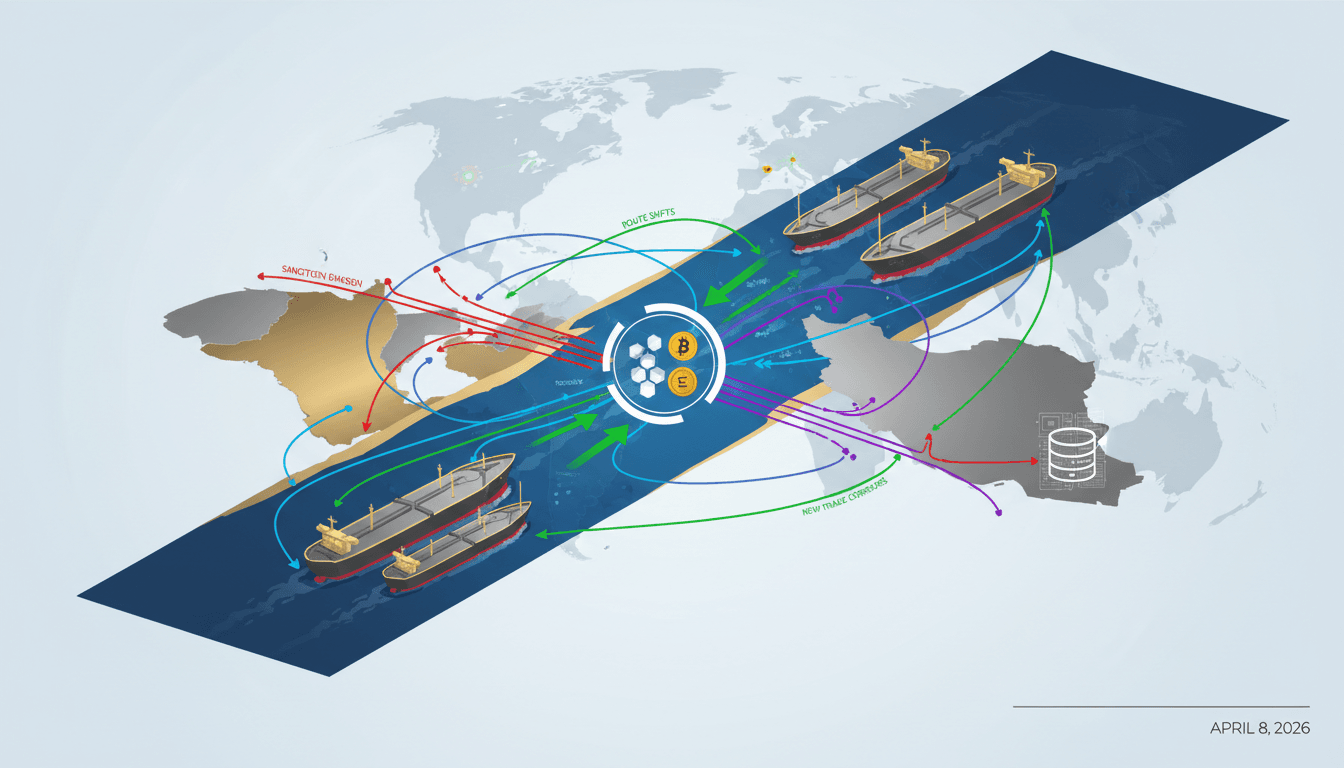
The introduction of cryptocurrency tolls by Iran is a strategic maneuver to navigate the complex landscape of international sanctions while ensuring the flow of oil through a critical maritime chokepoint. The Strait of Hormuz is a vital passage for oil tankers, and Iran's ability to impose tolls in cryptocurrency reflects its increasing reliance on digital assets to bypass traditional financial systems.
Since the intensification of U.S. sanctions, Iran has turned to cryptocurrencies as a means of sustaining its economy and military operations. The IRGC has played a pivotal role in this transition, leveraging the anonymity and decentralized nature of cryptocurrencies to facilitate transactions without detection. By charging tolls in digital currencies, Iran not only generates revenue but also reinforces its stance against U.S. sanctions, showcasing its adaptability in a challenging geopolitical environment.
The toll system is designed to be efficient and discreet. Ships are required to submit their cargo details via email, which are then approved for passage. This method allows Iran to maintain a level of control over maritime traffic while minimizing the risk of interception by U.S. forces. The use of stablecoins and Bitcoin for payments adds a layer of complexity, as these transactions can be difficult to trace, further complicating enforcement efforts by the U.S. and its allies.
Moreover, the tolls are being implemented amid a two-week ceasefire following regional conflicts, indicating a strategic pause that Iran is leveraging to solidify its economic position. As shipping firms comply with these new requirements to avoid potential seizures, the implications for global oil markets are significant. Analysts are already observing volatility in oil prices, with the Strait of Hormuz's critical role in global supply chains making any disruption a cause for concern.
In the broader context, this policy may encourage other nations facing similar sanctions to explore cryptocurrency as a viable alternative for international trade. As the global economy becomes increasingly interconnected, the adoption of digital currencies for such purposes could lead to a shift in how countries conduct trade, particularly in energy markets.
Who feels it first (and how)
- Shipping companies: They must adapt to new payment methods to ensure passage through the Strait.
- Oil traders: Increased costs and potential supply chain disruptions could affect pricing strategies.
- Consumers: Higher energy prices may be passed down to consumers, impacting household budgets.
- Insurance firms: Elevated risks in transit could lead to increased premiums for shipping insurance.
- Regional economies: Countries reliant on oil imports may face immediate economic implications from fluctuating prices.
What to watch next
- Compliance rates among shipping firms: Monitoring how quickly and effectively companies adapt to the new toll system will indicate the policy's impact on global shipping.
- Cryptocurrency market reactions: Observing Bitcoin and stablecoin price movements can provide insights into market confidence and the effectiveness of Iran's toll strategy.
- U.S. response: Any new sanctions or enforcement measures from the U.S. could significantly alter the landscape of this situation.
Iran is charging cryptocurrency tolls for oil tankers in the Strait of Hormuz.
Shipping costs will rise as firms adapt to new payment methods.
The long-term effectiveness of this toll system in evading sanctions remains to be seen.
This article was generated by AI from 4 verified sources and reviewed by A47 editorial systems.
Real-time updates, analysis, and reports on the blockchain and cryptocurrency sectors.
"Crypto News delivers real-time updates, analysis, and reports on the blockchain and cryptocurrency sectors."
— A47 Editor
Iran Bitcoin toll report raises questions over oil ship payments
Iran has introduced a new toll system requiring oil tankers to pay fees in Bitcoin for passage through the strategically significant Strait of Hormuz. This decision aligns with a ceasefire agreement with the United States, marking a notable shift in ...
Covers blockchain, cryptocurrency news, project analysis, and market insights.
"Cointelegraph is a leading crypto-focused media outlet known for timely news, analysis, and educational content related to blockchain and digital assets."
— A47 Editor
Bitcoin community weighs in on reports of Iran's crypto toll for oil ships
The Bitcoin community is closely monitoring reports that Iran has implemented a toll system requiring oil tankers to pay fees in Bitcoin for passage through the strategically significant Strait of Hormuz. This decision aligns with a ceasefire agreeme...
Covers blockchain, cryptocurrency news, project analysis, and market insights.
"Cointelegraph is a leading crypto-focused media outlet known for timely news, analysis, and educational content related to blockchain and digital assets."
— A47 Editor
Crypto Biz: Will Bitcoin secure safe passage through the Hormuz Strait?
Iran has announced a new toll system for oil tankers transiting the strategically vital Strait of Hormuz, requiring payments in Bitcoin. This decision coincides with a ceasefire agreement with the United States, indicating a potential shift in Iran's...
Corporate news, economic trends, and markets with UK and global scope.
"BBC News is widely regarded as reputable and impartial, with a public service mandate."
— A47 Editor
Tankers urged not to pay toll to Iran for use of strait
Tanker firms are being advised against paying tolls to Iran for safe passage through the strategically significant Strait of Hormuz, where Iran has recently implemented a toll system requiring payments in cryptocurrency. This move is seen as an attem...