
U.S. Gasoline Prices Surge to $4.18 per Gallon Amid Ongoing Iran War
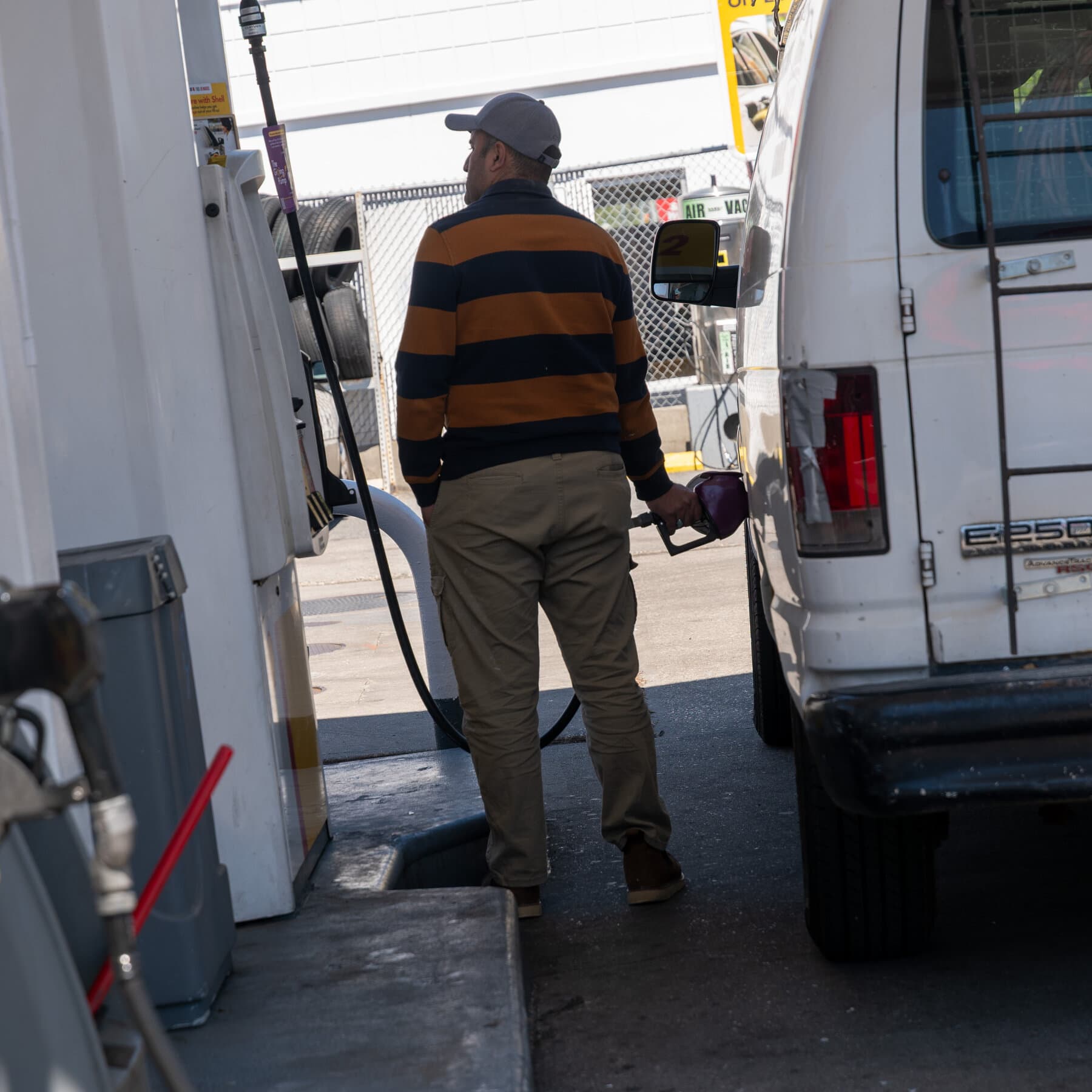
Here's what it means for you.
Rising gasoline prices are likely to impact your daily commuting costs and overall spending power.
Why it matters
The spike in gasoline prices reflects broader disruptions in global oil markets, affecting inflation and consumer behavior.
What happened (in 30 seconds)
- Gasoline prices hit a national average of $4.18 per gallon on April 28, 2026, marking a 40% increase since the onset of the Iran war.
- Supply disruptions from the ongoing conflict and refinery outages have compounded the price surge, particularly affecting shipping through the Strait of Hormuz.
- Inflation accelerated, with gasoline contributing to the largest monthly rise since 1967, impacting consumer spending and travel.
The context you actually need
- The Iran war began on February 28, 2026, following U.S. and Israeli airstrikes on Iranian targets, leading to retaliatory actions and a blockade of the Strait of Hormuz.
- Refinery outages and stalled peace negotiations have further strained oil supplies, pushing Brent crude prices above $120 per barrel.
- A temporary ceasefire was declared on April 8, 2026, but subsequent U.S. naval blockades have continued to choke oil exports, maintaining high gasoline prices.
What's really happening
The current surge in U.S. gasoline prices to $4.18 per gallon is a direct consequence of geopolitical tensions stemming from the ongoing Iran war. The conflict, which began with U.S. and Israeli airstrikes on Iranian military targets, has led to significant disruptions in global oil supply chains. The Strait of Hormuz, a critical maritime route for oil transport, has been effectively closed due to Iranian missile attacks and subsequent U.S. naval blockades. This strategic chokepoint accounts for approximately 20% of the world's oil transit, making its closure a pivotal factor in the rising prices.
As the war escalated, gasoline prices began to climb sharply. From a pre-war average of $2.98 per gallon, prices surged to $3.88 by March 19, 2026, reflecting a 30% increase as the conflict intensified. By the end of March, prices surpassed $4 per gallon for the first time since 2022, driven by fears of prolonged supply disruptions and rising crude oil futures. The situation worsened with refinery outages and the U.S. blockade of Iranian ports, which further limited the availability of refined products.
The economic implications of these price increases are profound. U.S. consumers are already feeling the pinch, with many reducing travel and discretionary spending as gasoline prices contribute to the largest monthly inflation rise since 1967. Oil companies, on the other hand, are reporting significant profit increases, with BP announcing a doubling of profits amid the crisis. This dichotomy highlights the uneven impact of rising energy costs, where consumers face higher expenses while energy companies benefit from inflated prices.
The Biden administration is under pressure to address these rising costs, with President Trump suggesting that prices would fall following a resolution to the conflict. However, Energy Secretary Chris Wright has indicated that the peak prices may persist for an extended period, reflecting the uncertainty surrounding the war's outcome and its impact on global oil markets.
Who feels it first (and how)
- Commuters: Increased fuel costs directly affect daily travel expenses, leading to higher overall commuting costs.
- Small businesses: Higher gasoline prices can lead to increased operational costs, particularly for delivery and transportation services.
- Low-income households: These groups are disproportionately affected as a larger share of their income goes toward fuel and transportation.
- Travel and tourism sectors: Rising fuel prices can deter travel, impacting businesses reliant on tourism.
What to watch next
- Global oil prices: Monitor Brent crude prices as they will indicate the potential for further gasoline price increases or decreases.
- U.S. consumer spending: Watch for shifts in consumer behavior as rising gasoline prices may lead to reduced discretionary spending.
- Political developments: Keep an eye on peace negotiations and military actions in the region, as these will directly influence supply stability and pricing.
Gasoline prices have reached $4.18 per gallon, the highest since the onset of the Iran war.
Continued geopolitical tensions will keep gasoline prices elevated in the near term.
The timeline for resolution of the Iran conflict and its impact on global oil supply remains uncertain.
This article was generated by AI from 8 verified sources and reviewed by A47 editorial systems.
Global business headlines with AI angles.
"General business outlet that frequently covers AI."
— A47 Editor
Iran War Pushes U.S. Gas Prices To Highest Level Since War Began as Strait of Hormuz Remains Closed
U.S. gas prices have surged to $4.18 a gallon, marking the highest level since the onset of the Iran conflict, which began following attacks by the U.S. and Israel on Iran in late February. This increase of $1.19 per gallon reflects the ongoing geopo...
Oil, metals, and agriculture: supply/demand headlines, OPEC chatter, inventories, and price action.
"Solid tape for energy and metals traders tracking macro and micro catalysts."
— A47 Editor
US pump prices hit near 4-year high amid Iran conflict, refinery issues
U.S. pump prices have surged to near a four-year high, driven by ongoing disruptions linked to the conflict in Iran and refinery outages, with a recent report indicating a 1.6 percent increase in gas prices.
Right-of-center views on political news.
"The Washington Times is a conservative-leaning newspaper known for its political coverage and advocacy of right-of-center viewpoints."
— A47 Editor
Gas prices rise to highest point since war's start; Trump insists Iran in 'state of collapse'
Gas prices in the U.S. have surged to their highest levels since the onset of the Iran war, with prices averaging $4.18 per gallon, intensifying pressure on President Trump as he navigates a military operation against Tehran.
News from the United States including domestic politics, society, and culture.
"The Guardian is known for its progressive editorial stance and in-depth analysis, often advocating for social justice, environmental issues, and liberal values."
— A47 Editor
US gas prices surge to highest level in four years, averaging $4.18 a gallon
US gas prices have surged to an average of $4.18 a gallon, marking the highest level in four years, as geopolitical tensions, particularly involving Iran, continue to impact oil markets. This increase is attributed to stalled negotiations regarding t...
Oil, metals, and agriculture: supply/demand headlines, OPEC chatter, inventories, and price action.
"Solid tape for energy and metals traders tracking macro and micro catalysts."
— A47 Editor
US pump prices near 4 year high on Iran war disruption, refinery outages
U.S. pump prices are nearing a four-year high due to disruptions caused by the ongoing conflict in Iran and refinery outages, leading to significant fluctuations in fuel costs. The latest reports indicate a 1.6 percent increase in gas prices, reflect...
Markets, economy, and company analysis from NYT’s business desk.
"The New York Times is a globally recognized newspaper offering authoritative reporting with a center-left editorial stance."
— A47 Editor
U.S. Gas Prices Hit Highest Level Since Beginning of War in Iran
U.S. gas prices surged by 1.6 percent on Tuesday, marking the highest increase since the onset of the conflict in Iran, reflecting ongoing instability in the region. This rise in fuel costs is attributed to disruptions in energy supplies and heighten...
Sports reporting with a focus on Saudi and regional competitions.
"Okaz sports coverage is broad and audience-friendly, with strong attention to Saudi teams and leagues."
— A47 Editor
أسعار البنزين في أمريكا لأعلى مستوى في 4 سنوات
Gasoline prices in the United States have reached their highest level since August 2022, driven by rising oil prices amid stalled peace talks between the U.S. and Iran. According to the American Automobile Association (AAA), the average price per gal...
Editor-curated FT homepage stories spanning markets, business, world, and opinion.
"The Financial Times is a globally respected business publication with a centrist/center-left tone and strong markets focus."
— A47 Editor
US motorists skimp at the pump as Iran war keeps petrol prices high
US motorists are increasingly skimping on fuel purchases as petrol prices remain elevated due to the ongoing conflict in Iran, presenting a significant political challenge for former President Trump ahead of the midterm elections in November.